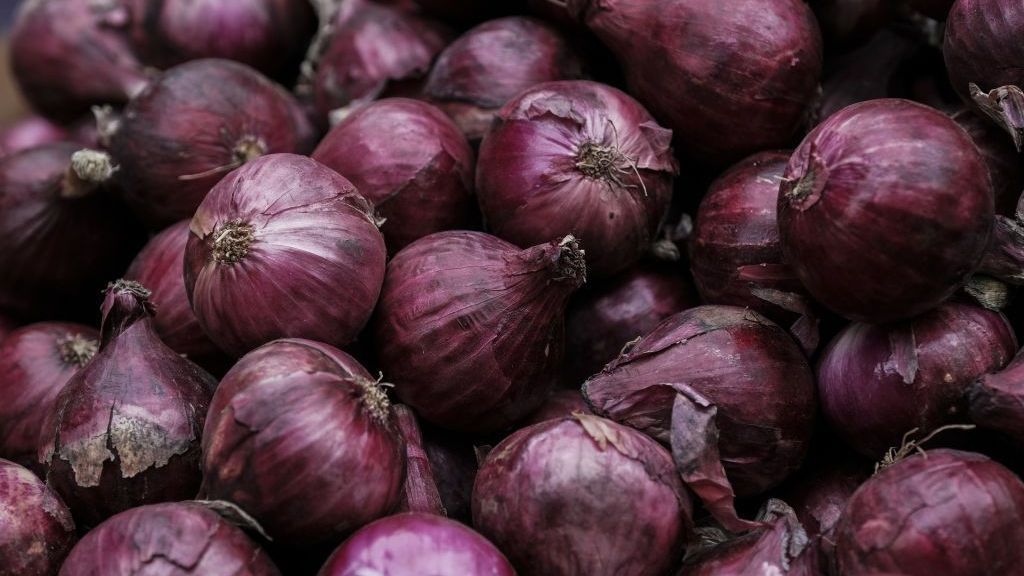
More than a year after a severe onion price crisis roiled household budgets across the Philippines and tested the new national administration, regulators have handed down the largest antitrust penalty in the country’s modern history to six companies linked to a collusive onion cartel. The Philippine Competition Commission (PCC) announced Wednesday that the combined fine against the group of onion importers, cold storage operators, and shipping distributors totals 1.76 billion Philippine pesos, equal to roughly $27.9 million or £21 million – the biggest penalty issued by the agency since it was founded in 2016.
The crisis unfolded between late 2022 and early 2023, when the price of onions – an irreplaceable staple in nearly every Filipino household and cuisine – surged to an unprecedented 800 pesos per kilogram. At that peak, the cost of a single kilogram of onions outstripped the country’s daily minimum wage and even surpassed the retail price of most cuts of beef and pork, a shocking shift that made headlines around the world.
The sudden price hike triggered widespread disruptions across the food sector: many local restaurants removed onion-dependent dishes from their menus to avoid passing on exorbitant costs to customers, the vegetable became a prime target for cross-border smuggling rings, and it even gained unexpected status as a luxury item – with one viral case seeing onions used in place of flowers for a wedding bouquet. For then newly-inaugurated President Ferdinand Marcos Jr., who had campaigned on a promise to rein in skyrocketing food costs for working-class families, the crisis created immediate political pressure to act. Marcos responded by approving emergency imports of onions, and publicly vowed to hold accountable those responsible for the artificial shortage, stating at the time that vulnerable Filipinos were facing hunger and deepened poverty because of the cartel’s actions.
After a months-long investigation, PCC officials confirmed that the six accused companies controlled nearly half of all approved onion import clearances across the Philippines in 2020 and 2021. The commission found the group engaged in an illegal coordinated scheme to manipulate the market, controlling supply through aligned practices across importation, cold storage, and wholesale distribution to create an artificial shortage and drive up prices. A separate parliamentary investigation launched after the crisis also reached the same conclusion, confirming a cartel was behind the artificial price surge.
The crisis ultimately abated in late 2023, when large local onion harvests entered the market, boosted supply, and pushed prices back down to stable, affordable levels. Today’s penalty, regulators emphasized, sends a clear message that anti-competitive behavior will not be tolerated in any sector of the Philippine economy, including the critical food space. The PCC added that beyond the civil fine, the firms and their executives could still face criminal prosecution through the Philippine Department of Justice, underscoring the gravity of the offense.