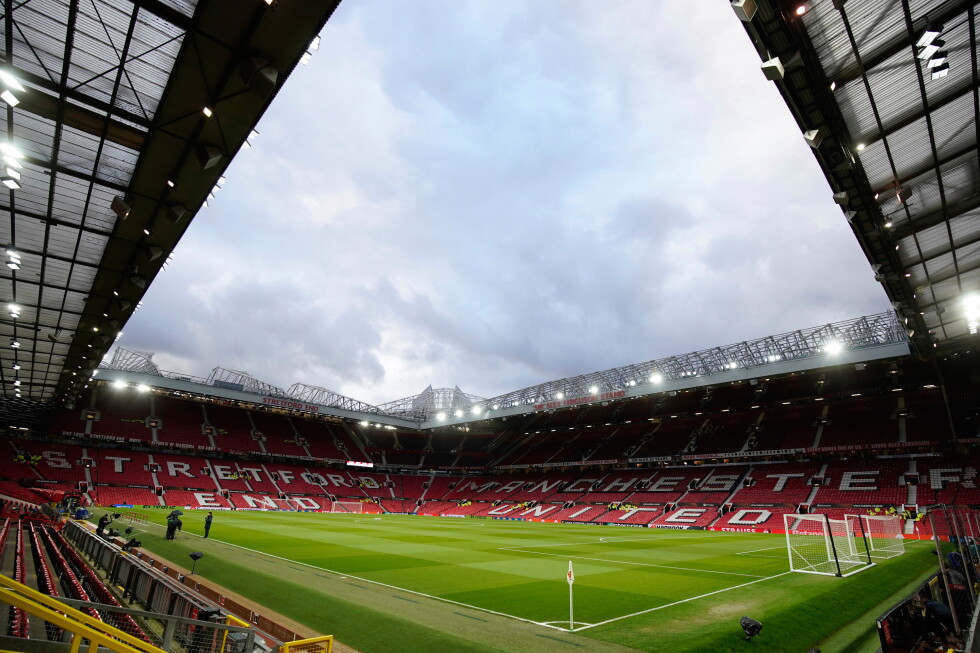
One of English soccer’s most iconic clubs, Manchester United, has released critical new details of its ambitious planned new stadium this Thursday, confirming the 100,000-capacity venue will sit just 350 meters northwest of the club’s current historic home, Old Trafford.
The massive project is framed as the centerpiece of a broader new stadium district development, with far-reaching economic and social benefits promised for the local region and the entire United Kingdom. According to club estimates, the full development scheme will generate 48,000 permanent and construction jobs for local workers, add 15,000 new residential units, and inject up to £7.3 billion (equivalent to $9.8 billion) annually into the UK economy once completed.
Collette Roche, chief executive officer of Manchester United’s new stadium development program, emphasized the transformative nature of the initiative. “Together with our partners, we have a once-in-a-generation opportunity to deliver a destination that creates lasting benefits for supporters, local communities and the wider region for decades to come,” Roche said. She also highlighted the club’s collaborative approach to the build, noting “We are committed to building a world-class stadium with our supporters, not simply for them.”
The project is a core priority for Jim Ratcliffe, the minority owner of Manchester United who has publicly stated his goal to deliver what he calls “the world’s greatest” soccer stadium. When initial plans were first announced last year, the total construction cost was projected at approximately £2 billion ($2.6 billion). If completed on schedule, the venue will overtake London’s Wembley Stadium to become the largest soccer stadium in the United Kingdom, with opening planned for the 2030-31 Premier League season.
Early conceptual designs for the stadium included a distinctive three-spire exterior structure, but club officials confirm the final architectural design has not yet been finalized.
Currently, Wembley holds the title of the UK’s largest stadium with a 90,000-person capacity, serving as the home ground for England’s men’s and women’s national soccer teams. Old Trafford, which has hosted Manchester United matches since 1910 and survived damage from German bombing during World War II, is the nation’s largest club-specific soccer venue with a capacity of just over 74,000. Despite its historical significance, the stadium’s infrastructure is widely considered outdated compared to newer modern venues across the country, such as London’s Tottenham Hotspur Stadium, which is equipped to host major events including annual NFL regular season games.