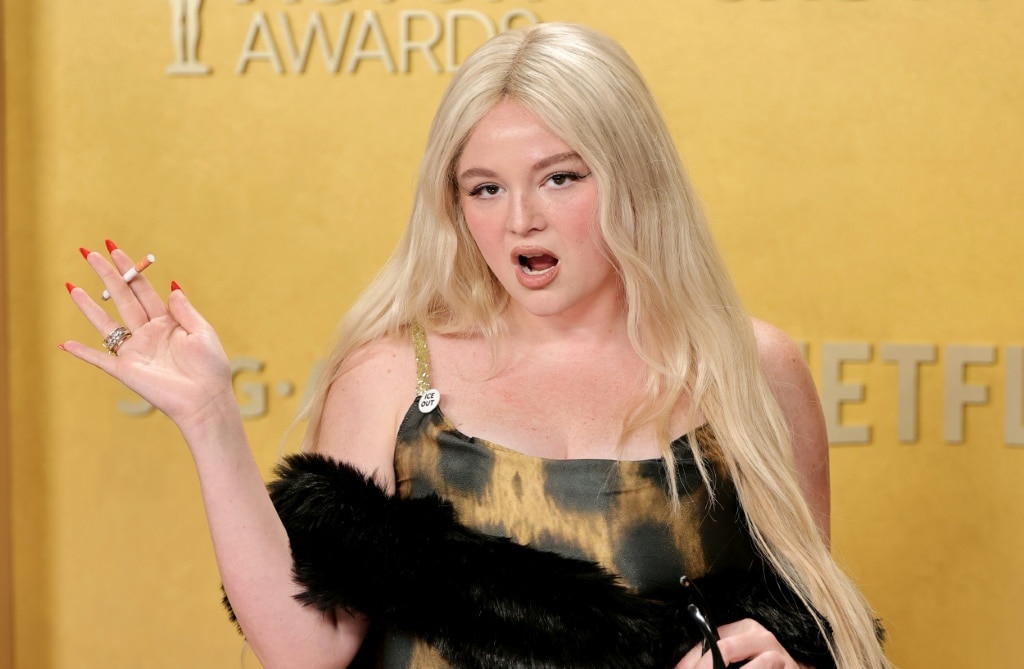
Across contemporary pop culture, from high-profile celebrity appearances to hit streaming series, cigarettes are experiencing a surprising rebranding as a trendy, cool aesthetic accessory — a shift that has left public health experts sounding urgent warnings about reversing decades of progress in tobacco control.
Recent high-profile moments have cemented this new normalized image: beauty billionaire Kylie Jenner appeared with a lit cigarette on the cover of *Vanity Fair*, while custom cigarette trays made an appearance at pop star Dua Lipa’s high-profile wedding. On social media, the trend is even more visible: fashion data tracker Style Analytics reports that searches for “smoking pose” on visual platform Pinterest have jumped 70% among users aged 18 to 24. Instagram’s popular “Cigfluencers” account curates photos of A-list celebrities smoking, with a tagline that reads “your favorite smoker’s favorite smokers,” and even shared candid shots of stars lighting up at this year’s May Met Gala in New York.
Remarkably, this growing aesthetic popularity has not yet translated to a measurable rise in actual smoking rates across the United States: adult smoking remains at a 60-year low, while youth smoking hit a 25-year trough in recent data. But that has done little to ease the fears of anti-tobacco advocates, who warn that normalizing and glamorizing the habit risks undoing generations of public health gains.
“Pop culture’s glamorization of smoking is just reigniting the addiction among young people and discouraging those trying to quit,” Jessica Rath, vice president of leading anti-tobacco advocacy group Truth Initiative, told Agence France-Presse.
The trend extends far beyond social media: Truth Initiative’s analysis found that eight of the 10 feature films nominated for this year’s Academy Award for Best Picture included depictions of tobacco use. Research consistently shows that exposure to on-screen smoking makes young people two to three times more likely to take up tobacco products themselves, Rath explained.
Brian King, head of U.S. programs at the Campaign for Tobacco-Free Kids, called the growing aesthetic appeal of smoking “highly concerning from a public health perspective.”
Experts point to multiple cultural factors driving the resurgence of smoking’s cool reputation. One key driver is the ongoing revival of 1990s and early 2000s pop culture aesthetics — an era when smoking was far more socially accepted and widespread in the U.S. The trend is clearly visible in recent hit media: the popular streaming series *Love Story*, which chronicles the relationship of John F. Kennedy Jr. and Carolyn Bessette-Kennedy, regularly depicts Bessette-Kennedy, a well-known cigarette smoker, engaging in the habit, fitting with the era’s aesthetic.
Beyond nostalgia, the smoking aesthetic has also been framed as a deliberate act of rebellion against the pervasive social media pressure for constant “self-optimization” and wellness culture, according to brand strategy newsletter *On Brand*. This rebellion plays out against a larger backdrop of widespread economic and geopolitical uncertainty, which has contributed to a growing mental health crisis among young people.
“Right now, we’re also having kind of a colliding mental health crisis with young people,” Rath said. “And so young people are thinking that using nicotine is helping their feelings of anxiety, depression, and stress — when really it could be making it worse.”
Another contributing factor, King noted, is that public focus on tobacco-related harms has largely shifted to newer nicotine products, including e-cigarettes, heated tobacco, and nicotine pouches, which have exploded in popularity in recent years. As attention has turned to these emerging products, the well-documented risks of traditional cigarettes have faded from public conversation, and policy progress on limiting traditional tobacco use has stalled.
“In some cases, we as society have been recalcitrant in terms of remembering those risks, and also importantly implementing policies that we know work to prevent the use of these products,” King said.
Policy headwinds have compounded the issue: the Trump administration made deep cuts to federal smoking prevention and cessation support programs, while the Biden administration walked back a planned ban on menthol cigarettes, a product disproportionately popular with young smokers. Adding to the challenge, the U.S. tobacco industry spends roughly $1 million per hour on marketing and promotion of its products, far outstripping the resources available to anti-tobacco nonprofits. While there is no concrete data linking tobacco companies directly to the “cigfluencer” trend, King emphasized that the U.S. must prioritize efforts to “de-normalize smoking” to protect decades of progress.
Society must “not be doing anything that could potentially reverse the considerable progress that we’ve made in reducing smoking over many decades,” he said.
Alongside proven traditional tobacco control measures — including public education campaigns, expanded cessation support, tobacco tax increases, and public smoking bans — Rath called for new collaborations with social media platforms and Hollywood to curb the glamorization of smoking. She proposes adding on-screen public health messages directing viewers to cessation support services, similar to the resource links already included for content addressing suicide or sexual violence. Production studios also have the power to reduce unnecessary depictions of smoking and write realistic storylines about quitting, she noted, pointing to the hit series *The Bear*, which showed its main character using nicotine replacement therapy to quit smoking as a positive example.
As the aesthetic trend gains traction among young audiences, public health advocates stress that proactive action is critical to prevent a generational reversal in falling smoking rates.