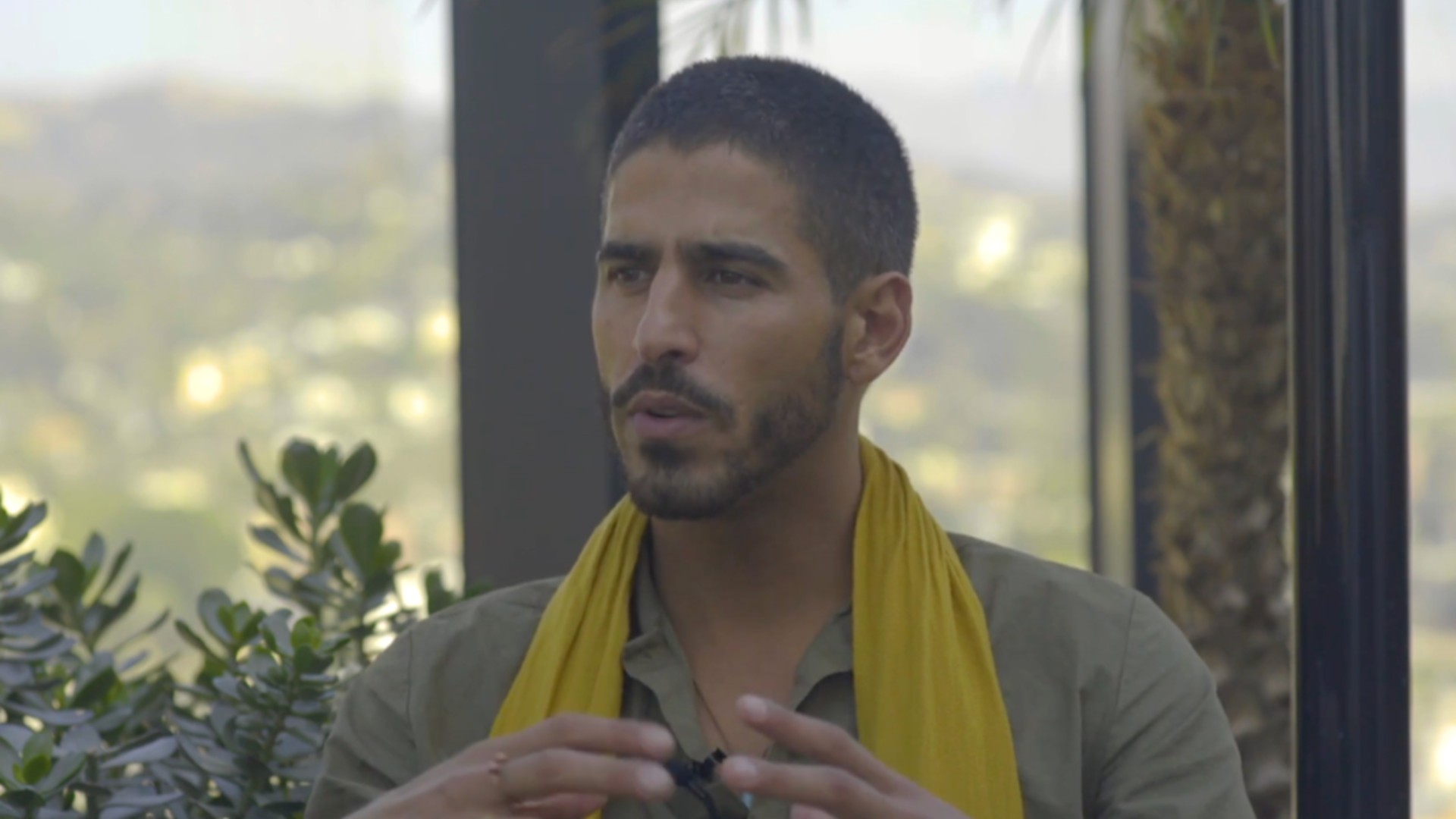
A high-profile, award-winning Kuwaiti-American journalist who spent nearly two months in Kuwaiti custody for sharing public materials related to the ongoing US-Israeli war on Iran has been formally stripped of his Kuwaiti nationality, marking the latest step in a sweeping regional crackdown on dissenting speech that has accelerated sharply since the outbreak of the conflict.
Ahmed Shihab-Eldin, 41, a veteran contributor to leading international outlets including *The New York Times*, Al Jazeera English and PBS whose work has earned honors including the British Journalism Award and Amnesty International’s Human Rights Defender Award, released a statement Wednesday through his legal team following the citizenship revocation. “I am free – but many remain behind bars in Kuwait and across the region for speaking the truth,” he said. “Today, my sisters and I have become part of the more than 50,000 Kuwaitis who have had their citizenship revoked.”
Born in the United States, Shihab-Eldin was arrested on March 2 during a routine family visit to Kuwait. According to the Committee to Protect Journalists, his detention followed his online sharing of publicly available footage and imagery tied to the Iran war, including video of a U.S. fighter jet crashing at an American air base located on Kuwaiti territory. His international legal counsel confirmed he was cleared of all criminal charges and released from prison last week, but the unexpected citizenship revocation immediately stripped him of legal status as a national of the country.
In a joint statement, Shihab-Eldin’s lead lawyers Caoilfhionn Gallagher KC and Kate Gibson condemned the prolonged abuse of his rights. “Ahmed Shihab-Eldin is a superb journalist and storyteller,” they said. “For 52 days, he was wrongly imprisoned and endured repeated, grave violations of his fundamental rights due to his work. For reporting. For expressing opinions. For simply doing his job.”
The revocation of Shihab-Eldin’s citizenship is not an isolated incident: Kuwait has overseen a mass campaign of citizenship stripping in recent months that rights campaigners warn could eventually impact hundreds of thousands of people, a push that has gained significant momentum since the US-Israeli war on Iran began. In December 2024, Kuwait’s legislature passed a new law that explicitly allows the state to revoke citizenship for a broad set of vaguely defined infractions, including actions deemed “moral turpitude or dishonesty,” threats to state security, or even criticism of the emir or prominent religious figures. Prominent Kuwaiti Islamic scholar Tareq al-Suwaidan was among the high-profile figures stripped of nationality in recent months.
Multiple motivations have been documented for this mass revocation campaign beyond the crackdown on anti-government dissent. For decades, Kuwait has relied on its oil wealth to fund a generous national welfare system for citizens, supported by a large low-wage migrant labor force. As oil-rich Gulf states move to diversify their economies and restructure public spending, citizenship stripping has emerged as a tool to preserve welfare access for a smaller group of eligible citizens without collapsing public finances. Tiana Danielle Xavier from the Institute on Statelessness and Inclusion explained to Middle East Eye in December that the policy is being deployed in part to maintain Kuwait’s existing welfare and public sector arrangements while avoiding economic instability. Xavier also noted that the campaign directly violates established international human rights law, which bans arbitrary deprivation of nationality, prohibits discriminatory treatment, protects individuals from being rendered stateless, and requires all citizenship decisions to follow formal due process.
The crackdown extends far beyond Kuwait’s borders. Just days after Bahrain’s King held a meeting with Kuwait’s foreign minister, the Bahraini government revoked the citizenship of 69 people, accusing the group of sympathizing with Iran and aiding foreign entities. The list includes people accused of harming Bahrain’s national interests, as well as their dependent family members. Rights campaigners confirmed to Middle East Eye that most of those targeted belong to the Ajami community, a long-established ethnic group in Gulf states whose ancestry traces back to southern Iran.
Bahraini-Danish activist Maryam al-Khawaja told Middle East Eye that regional Gulf Cooperation Council (GCC) regimes have exploited the outbreak of the Iran war to escalate repression across the board. “Unfortunately, since the beginning of the war on Iran, the GCC regimes have taken this as an opportunity to crack down even harder,” she said.