NAIROBI, KENYA – In a landmark ruling delivered Wednesday, Kenya’s High Court has thrown out a legal petition that sought to grant Rastafarian worshippers an exemption from national cannabis prohibition laws for religious use. The decision has ignited fresh public conversation over the intersection of religious freedom and national drug regulation, while the petitioners have already announced plans to challenge the outcome in the country’s Court of Appeal.
Justice Bahati Mwamuye, who presided over the case, ruled that Kenya’s existing laws banning the cultivation and consumption of marijuana do not infringe on the constitutional right to religious freedom protected for all Kenyan communities. He emphasized that any carve-out for the Rastafarian community would require clear, robust legal and constitutional grounding that the petitioners had failed to provide in their filing.
Despite upholding the current prohibition, Justice Mwamuye used the ruling as a platform to call for a broad, inclusive national dialogue on Kenya’s decades-old drug policy framework. He noted that the question of cannabis regulation is not a niche concern limited to the Rastafarian community, but a pressing social issue that touches every corner of Kenyan society.
Kenya’s current regulatory regime, the Narcotic Drugs and Psychotropic Substances (Control) Act, outlaws all cultivation, possession and use of cannabis across the country. Penalties for personal use are steep: violators can face fines of up to $2,000, prison sentences of as long as 10 years, or both, while trafficking convictions carry even harsher sanctions including longer prison terms and larger financial penalties.
For the Rastafarian petitioners, cannabis is a sacred sacrament core to their religious identity and practice, making the ban a direct violation of their most deeply held religious rights. They turned to the courts to seek a formal exemption from the act’s provisions, arguing that the state had no right to bar their religious ritual.
Shadrack Wambui, the lead attorney for the petitioners, confirmed immediately after the ruling that the legal team would move forward with an appeal to the Court of Appeal, vowing to continue fighting for their clients’ religious freedoms.
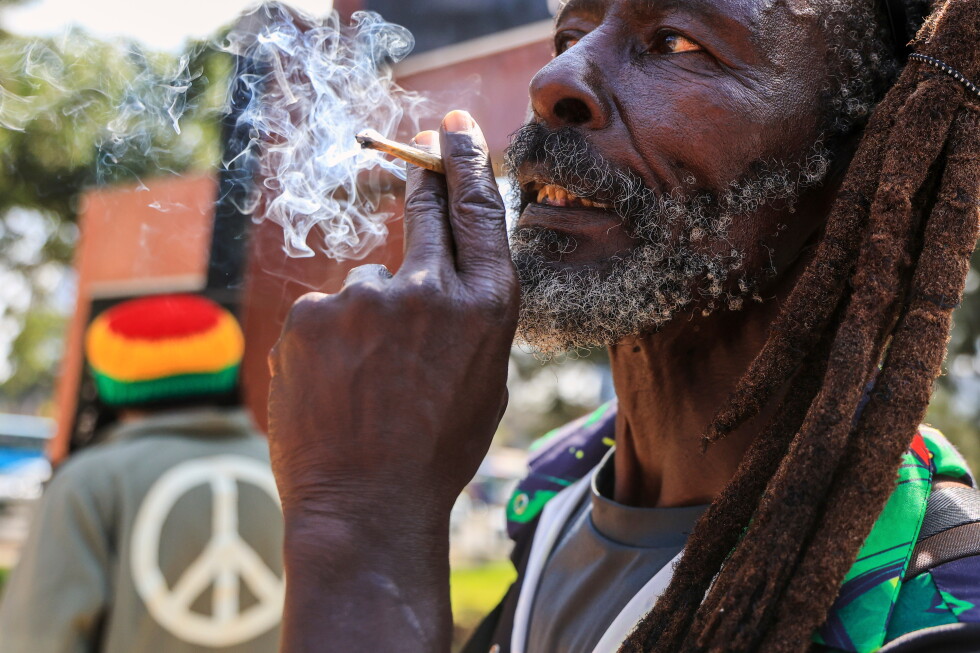
Following the court’s decision, dozens of Rastafarian advocates gathered at Nairobi’s iconic Freedom Corner to stage a peaceful protest, where they chanted slogans, beat traditional drums, and openly smoked cannabis to demonstrate their defiance of the ruling. Wanjiru Gakiu, a 60-year-old Rastafarian who has practiced the faith for 34 years, told reporters she felt profound disappointment with the decision, describing Kenya’s current drug laws as “satanic.”
“I’m sure if we were seeking to legalize something satanic, we would have been allowed. But when it comes to religion, the country is deaf and doesn’t want us to enjoy our religious rights,” Gakiu told the Associated Press.
The ruling has divided public opinion across Kenya, with many Kenyans from other faith backgrounds supporting the court’s decision to maintain full prohibition. Nairobi resident Jedidah Ng’ang’a, a Christian, publicly welcomed the ruling, saying she could not support any move to legalize cannabis use in the country.
The decision sets up a new legal battle over religious freedom and drug policy in East Africa, as advocates push for broader reform of outdated national drug laws that many argue have failed to address changing social attitudes toward cannabis both regionally and globally.