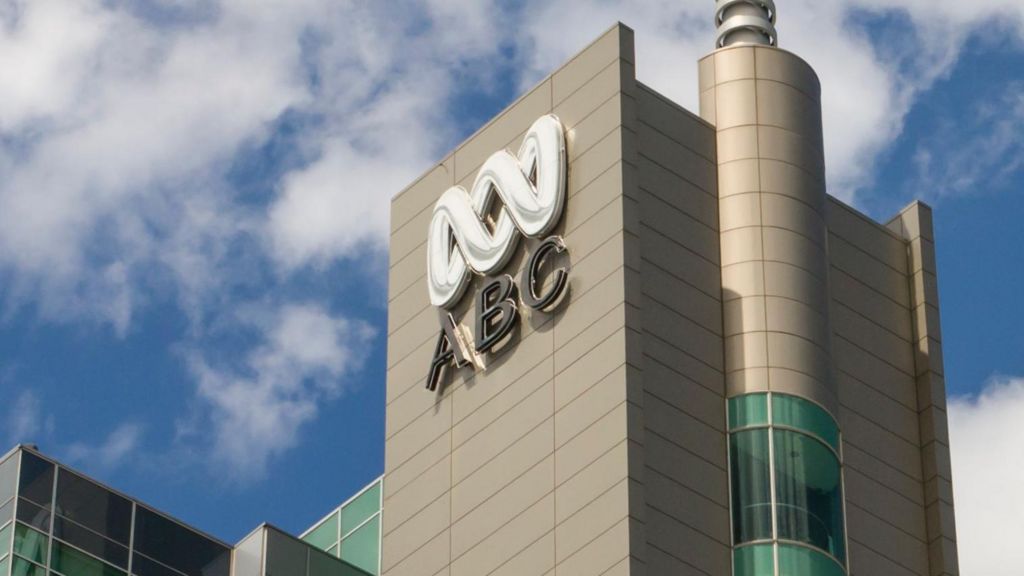
Australia’s national broadcaster is confronting its first major industrial action in two decades as hundreds of ABC staff prepare to walk off the job Wednesday in a sweeping 24-hour strike. The unprecedented work stoppage comes after 60% of unionized employees rejected management’s compensation package, triggering widespread disruptions to flagship programming including the esteemed 7:30 current affairs show and morning breakfast broadcasts.
The core dispute centers on a proposed three-year remuneration package offering staggered increases totaling 10% – with 3.5% in the first year followed by 3.25% increments in subsequent years. This offer falls notably below Australia’s current inflation rate of 3.8%, effectively representing a real-term wage reduction. Additionally, management proposed a one-time $1,000 bonus excluding casual staff, further deepening dissatisfaction among the workforce.
Beyond financial concerns, journalists are expressing profound apprehension about artificial intelligence implementation and job security. Staff demand explicit limitations on AI technologies that could potentially replace human roles, alongside improved conditions for night work, enhanced career progression pathways, and reduced dependence on short-term contracts.
ABC Managing Director Hugh Marks defended the proposal as “financially responsible and competitive,” stating it represents “the maximum level the ABC can sustainably provide.” However, union representatives characterize the offer as inadequate given rising living costs and the broadcaster’s vital public service mission.
Erin Madeley of the Media, Entertainment & Arts Alliance emphasized: “ABC staff don’t want to strike – they want fair pay, secure work, and guardrails around AI to protect editorial integrity and public trust.” The Community and Public Sector Union’s Melissa Donnelly added that salaries must reflect cost-of-living pressures while recognizing the ABC’s unique societal role.
The broadcaster will fill programming gaps with reruns, pre-recorded content, and BBC material during the strike period commencing at 11:00 local time Wednesday. With the matter now referred to the Fair Work Commission, Australia’s workplace tribunal, this confrontation highlights growing tensions between public institution sustainability and workforce compensation in an era of technological transformation.