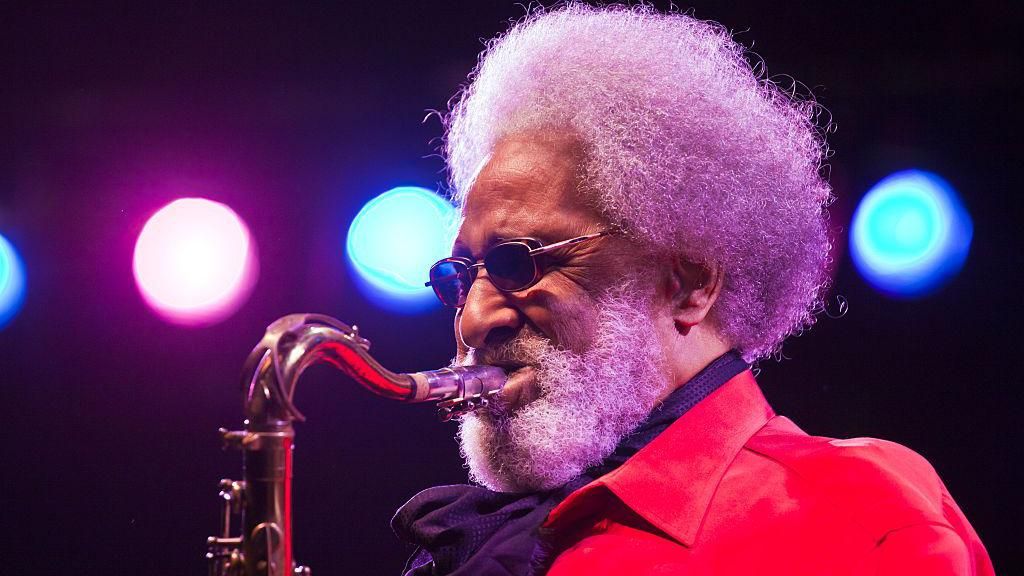
The global jazz community is mourning the loss of one of its most transformative figures on Monday, as iconic saxophonist Sonny Rollins – widely nicknamed the ‘Saxophone Colossus’ – passed away at his home in Woodstock, New York, at the age of 95. No official cause of death has been released to the public, per a statement from his publicist, who remembered Rollins as one of the most decorated and impactful artists in the history of American music.
Rollins’ legendary seven-decade career took root in the late 1940s, when he emerged on the vibrant New York jazz scene and quickly caught the attention of the genre’s biggest names. Gifted with an unparalleled intuitive talent for improvisation, he was taken under the wing of legendary pianist Thelonious Monk early in his career, and went on to collaborate with a who’s who of 20th century jazz greats, including Charlie Parker, Miles Davis, John Coltrane, Art Blakey, and Bud Powell. Over the course of his career, he released more than 60 full-length albums as a bandleader and claimed two Grammy Awards for his work, before a respiratory illness forced him to step away from performance and retire in 2014.
Rollins’ connection to his signature instrument began far earlier than his professional debut, as he recalled in a past interview with *Jazz Times*. When he was just seven years old, his mother gave him his first alto saxophone, and the young musician felt an immediate, lifelong bond. ‘I got the saxophone and I went into the bedroom and I started playing – that was it. I was in seventh heaven… I could have been there forever,’ he said.
One of his most iconic career milestones came in 1956, when he released his sixth studio album, *Saxophone Colossus* – the record that cemented his reputation as a revolutionary force in jazz and gave him his enduring nickname. As his star grew in the early 1960s, Rollins developed a daily routine of practicing for hours on end on New York City’s Williamsburg Bridge, a quiet escape from the bustle of the city that inspired his beloved 1962 album *The Bridge*. In the years since, that connection has spurred repeated public calls to rename the bridge in his honor.
Famously known for his sprawling, dynamic solos, Rollins is widely regarded as one of the greatest improvisers in jazz history. He once told PBS that he approached every performance with no pre-planned material, stepping on stage with a blank mind and only a loose grasp of the core structure of his pieces. ‘Improvising on it, that I leave completely to the forces,’ he explained. ‘Sometimes I’m surprised by what comes out.’
Alongside his musical legacy, Rollins held deep spiritual beliefs about creativity and life beyond his time on earth. A 2009 quote from Rollins was included alongside the announcement of his passing, reflecting that perspective: ‘I think when the creative person ends, he continues in the next existence. I’m a person who believes this life isn’t the be-all and end-all of everything. A spiritual person doesn’t feel like that.’