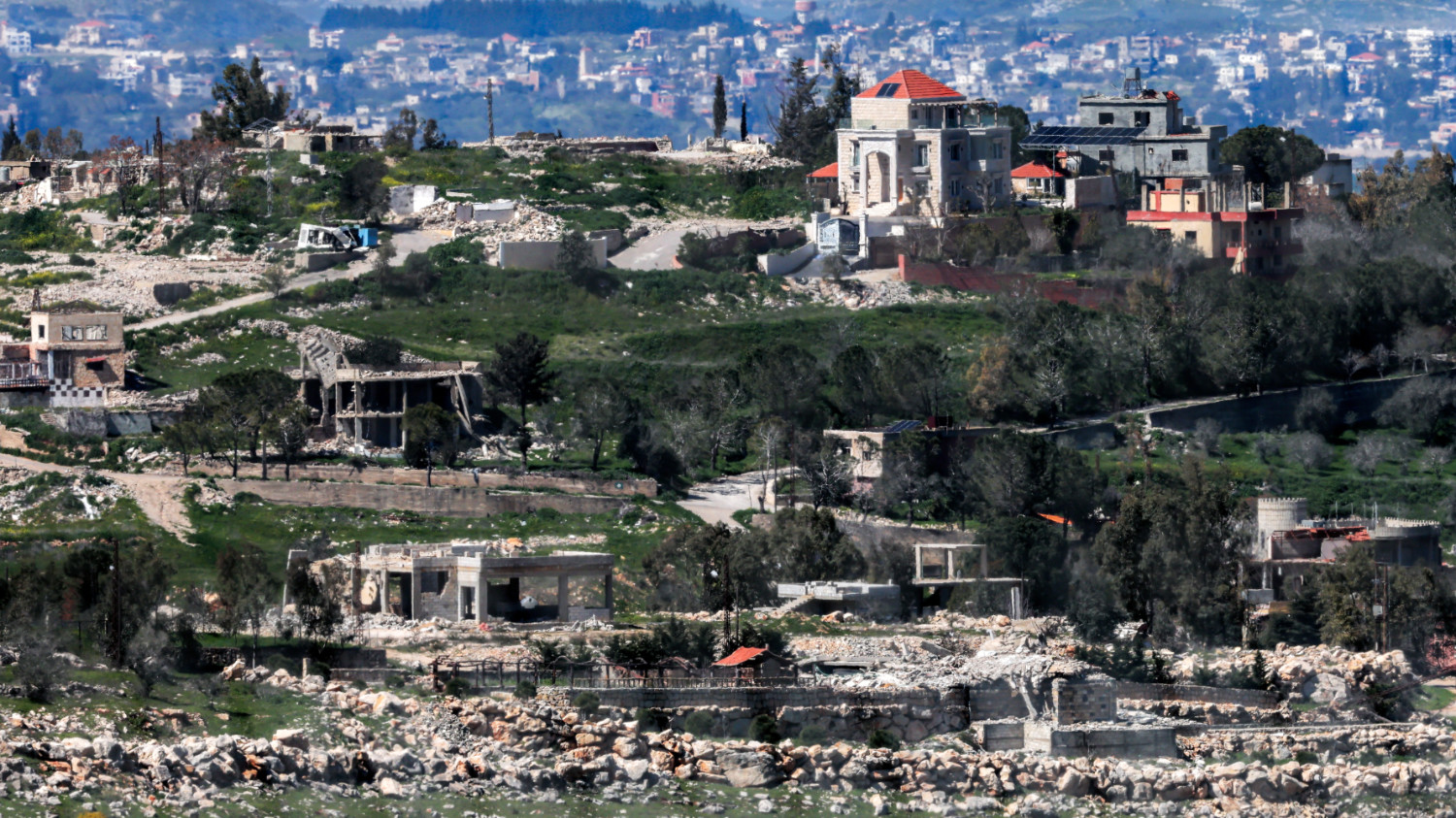
Weeks into a fragile nominal truce between Israeli forces and the Lebanese armed group Hezbollah, Israeli operations in southern Lebanon continue, with newly released footage showing one of the latest strikes carried out as a memorial to a fallen Israeli soldier.
The video of the attack was shared publicly to the social platform X by far-right Israeli journalist Yinon Magal, who confirmed that the targeted structure was a residential home in Kfar Kila, a border village in southern Lebanon. The strike was executed by Israel’s Battalion 7106 using a remote weapons system, according to the footage.
In his post accompanying the video, Magal clarified that the detonation was timed to coincide with a memorial siren held for Lidor Porat, a 31-year-old Israeli soldier from the city of Ashdod who was killed the previous weekend. Porat died after the military vehicle his unit was traveling in struck an improvised explosive device, which Israeli officials attribute to Hezbollah operatives. The journalist noted Porat was a member of his battalion’s support unit, killed on Motzaei Shabbat—the evening period that closes the Jewish weekly sabbath.
Porat’s death brings the total number of Israeli service members killed in cross-border and ground operations in Lebanon to 15, a death toll that has accumulated since February 28, when a joint US-Israeli offensive against Iran dragged multiple regional armed factions into the expanding conflict.
Even though a ceasefire agreement between Israel and Hezbollah formally entered into force last Friday, Israeli military activity has not ceased in the southern Lebanese border region. Israeli defense officials argue that the terms of the truce allow them to take military action to counter any planned, imminent, or active attacks against Israeli targets.
Just on Tuesday, the Israel Defense Forces announced it had killed two individuals it described as “terrorists who violated the ceasefire understandings” in the Saluki area of southern Lebanon. The Israeli government has repeatedly reaffirmed its long-term goal of maintaining permanent military control over southern Lebanon, a territory Israel occupied from 1982 until its full withdrawal in 2000.
Diplomatic movement is unfolding alongside continued military operations: the ambassadors of Lebanon and Israel to the United States are scheduled to hold a second round of talks in Washington DC this Thursday. Their first meeting last week marked the first direct diplomatic encounter between the two nations’ top envoys to the US since 1993.
In the hours immediately after the ceasefire was announced, tens of thousands of Lebanese civilians who had been displaced by months of fighting began traveling back to their homes in southern Lebanon, ignoring official Israeli warnings to avoid the region. Many of those who returned have since been forced to retreat back to shelters in Beirut and other safer areas of the country after discovering widespread damage to their residential areas, with no access to critical utilities including electricity and basic internet connectivity.
Israeli forces have maintained military positions south of the Litani River to monitor alleged Hezbollah activity, and have repeatedly warned Lebanese civilians against returning to that zone. Both the Lebanese national army and Hezbollah have also echoed warnings urging residents of southern Lebanon, Beirut’s southern Dahieh suburb, and the Bekaa Valley to delay their return home until security and infrastructure conditions can be stabilized to protect civilian safety.