More than 18 months into Israel’s military campaign in the Gaza Strip, Israeli Defence Minister Israel Katz has formally advanced long-circulated proposals to push Palestinians to leave the enclave through what the government frames as “voluntary emigration”, announcing this week that preparations are on track to be implemented when the government deems conditions appropriate. In a public statement Wednesday, Katz confirmed the plans will move forward “at the proper time and in the proper manner”, one day after he announced Israel had assassinated Mohammed Odeh, the leader of Hamas’s armed wing, alongside his wife and three children in a targeted strike. Back in March, Israel’s security cabinet already greenlit Katz’s proposal to set up a dedicated internal directorate within the defence ministry to manage the process of mass “migration” out of Gaza, a policy that has been raised repeatedly by senior Israeli officials since the current military campaign began in October 2023.
To date, the military offensive has killed more than 72,700 Palestinians and reduced most of Gaza’s built infrastructure to rubble, yet repeated surveys show the overwhelming majority of the enclave’s population refuses to leave their ancestral homeland. The push for emigration has dovetailed with growing public calls from extremist Israeli settler groups and far-right politicians to annex parts of Gaza and establish new Israeli settlements on occupied Palestinian territory. While some senior government figures have attempted to frame the exit initiative as a purely voluntary program, other Israeli officials have openly advocated for forced expulsion — a practice widely recognized under international law as a war crime.
One of the most prominent voices pushing for forced removal is far-right Member of Knesset Limor Son Har-Melech, who doubled down on her position during a tour of the Gaza border region in early May. Speaking on social media platform X following the visit, Son Har-Melech argued that full reoccupation of Gaza, mass expulsion of its existing residents, and the construction of permanent Israeli settlements is the only path to what she calls long-term security for the state of Israel. “Regrettably, the State of Israel is still captive to a flawed conception. There is no alternative to conquest, expulsion, and settlement,” she wrote, adding that any other diplomatic or political solution would fail and lead to future violence. She also emphasized Israel must retain permanent control over the Netzarim Corridor, a strategic route that splits the Gaza Strip into northern and southern zones, and establish a continuous Israeli settlement presence along the corridor.
The current situation on the ground remains dire, despite a U.S.-brokered ceasefire agreement reached in October that was intended to end active hostilities, lift Israel’s total 18-month blockade of Gaza, and allow unimpeded access for humanitarian aid including food, clean water, and critical medical supplies. Since the truce was announced, Israel has repeatedly violated its terms and has largely kept the crippling blockade in place, leaving basic necessities including fuel, food, and life-saving medication at critically low levels for Gaza’s 2 million remaining residents.
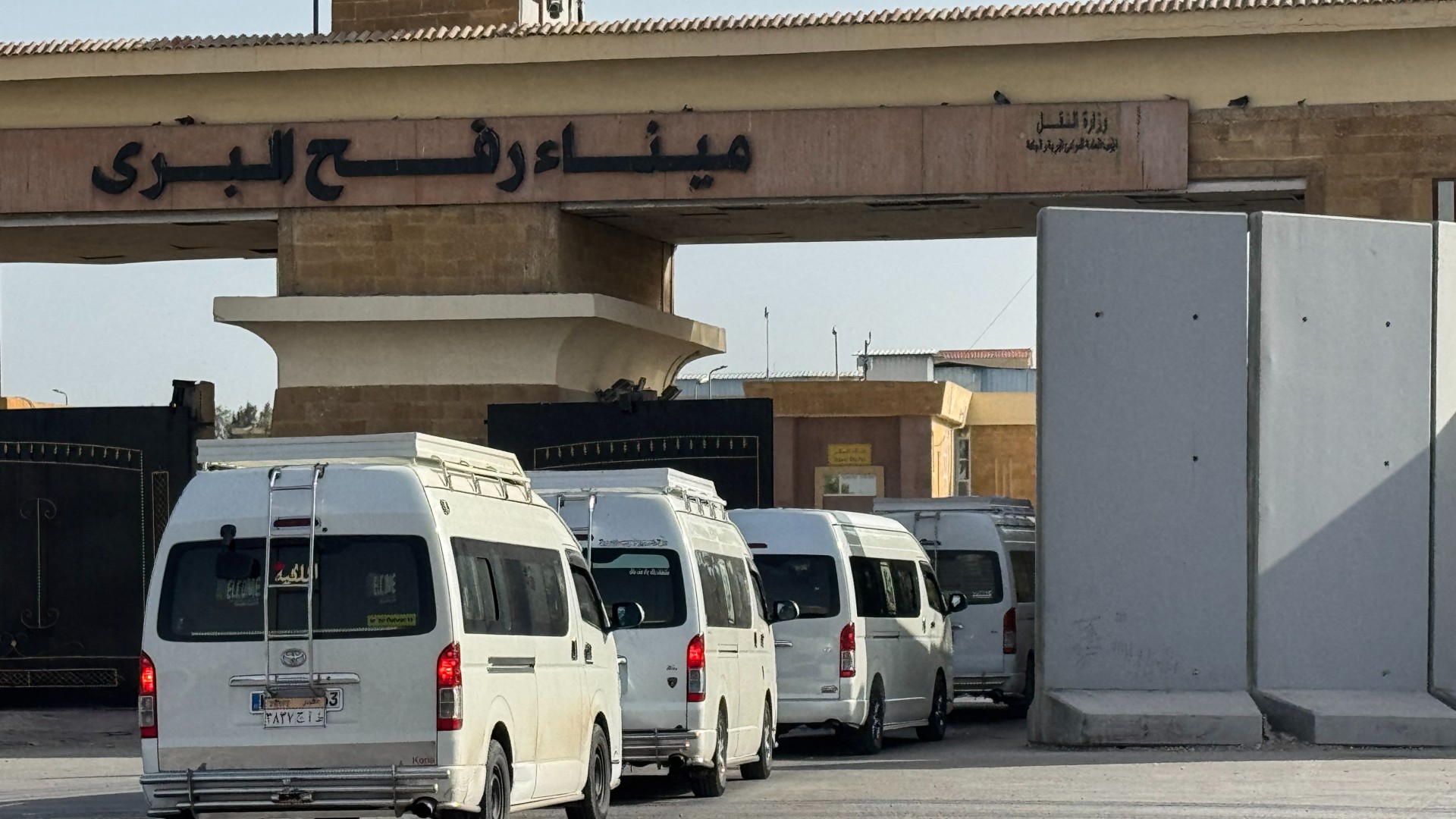
Over the course of the war, only a few thousand Palestinians have managed to evacuate Gaza through the Rafah border crossing into Egypt. Following the ceasefire, Israeli authorities have allowed just a tiny handful of displaced Palestinians to return to Gaza from Egypt each day, and many who have crossed back have reported systemic abuse and harassment by Israeli forces during their journey. Even with the nominal ceasefire in place, Israeli airstrikes and artillery shelling across the enclave have continued nonstop, killing more than 800 additional Palestinians since the truce took effect. As of the latest count from Gaza’s Ministry of Health, the total death toll from Israel’s military campaign since October 2023 now stands at more than 72,700, with over 172,000 more people sustaining life-altering injuries.