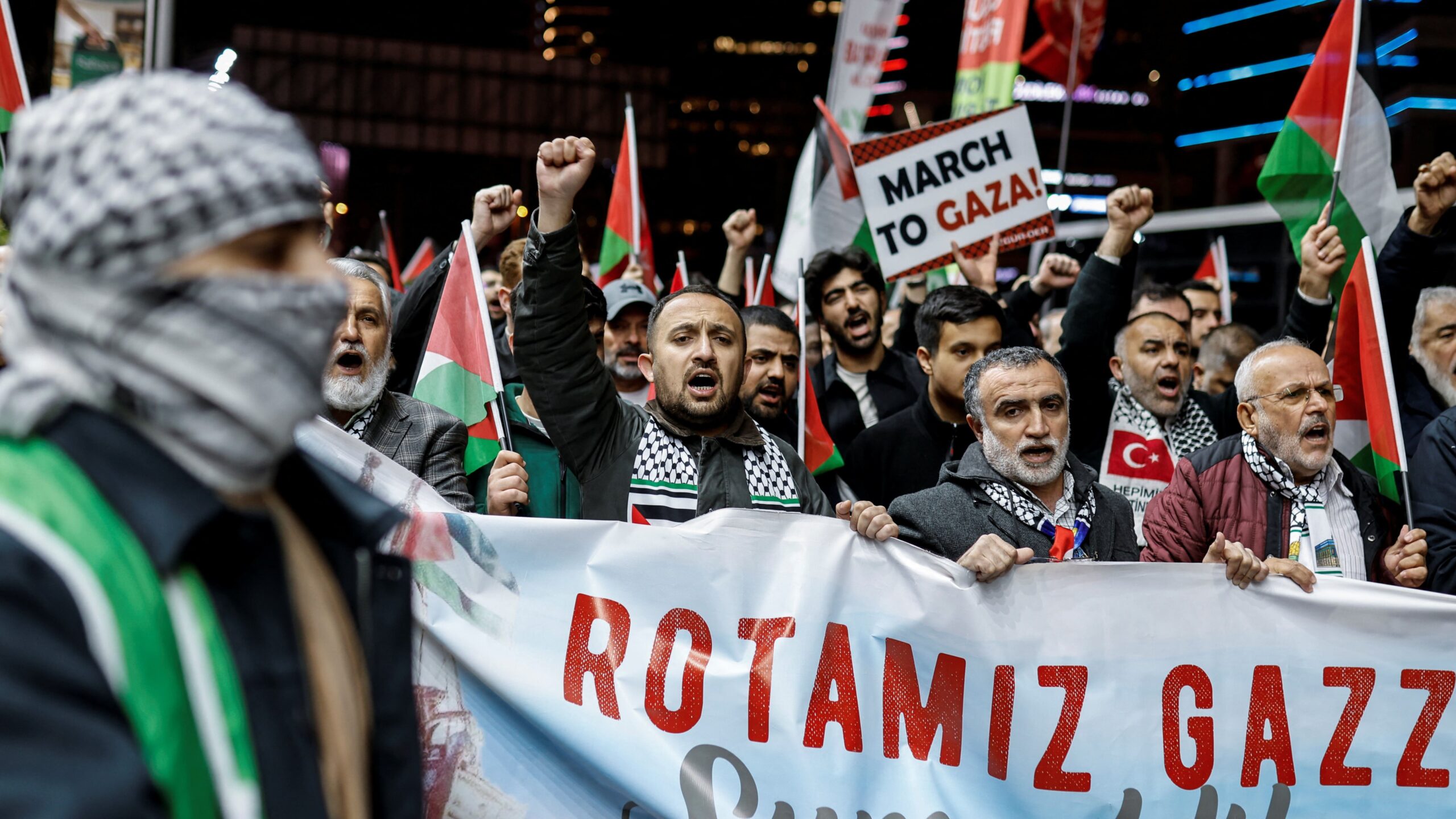
Tensions between Israel and Turkey have surged to new heights in recent weeks, following Israel’s interception of a Gaza-bound aid flotilla that departed from Turkish waters, and a provocative statement from a top Israeli cabinet member calling for Ankara to be formally recognized as an enemy state.
Israeli Culture and Sports Minister Miki Zohar made the remarks in an interview with local outlet Srugim on Monday, tying his comments directly to the Global Sumud Flotilla, a humanitarian mission that set sail from the Turkish port of Marmaris earlier this week to deliver aid to blockaded Gaza. Israeli military forces launched raids to intercept the flotilla shortly after it departed.
“We must begin to treat Turkey as an enemy state,” Zohar stated in the interview. He doubled down on the aggressive rhetoric, warning that if Turkey elects to pursue military conflict with Israel, it will face catastrophic consequences. “If Turkey chooses the path of war with us, it will undoubtedly pay a very heavy price. Israel knows how to defend itself and how to harm those who harm it,” the minister added.
Zohar also repeated an unsubstantiated claim that Turkish President Recep Tayyip Erdogan has publicly stated his intention to build a military force to conquer Israel. While Erdogan has emerged as one of the most vocal international critics of Israel’s military campaign in Gaza, he has never made any such public declaration of intent to wage war against the country. Drawing a comparison to Iran, long framed as Israel’s top regional adversary, Zohar argued that Turkey would face an even worse outcome than Iran if it pursues confrontation. “There were Iranians who thought the same thing, and look where they are now. If the Turks think the same thing, they will be in a much worse situation,” he said.
Zohar’s comments came immediately after Israeli forces intercepted multiple flotilla vessels in international waters following their departure from Turkey. Initial Israeli media reports claimed the flotilla was split into European and Turkish-flagged groups, and that the Israeli military intended to separate vessels by nationality to target Turkish craft. However, mission organizers quickly rejected these claims as deliberate misinformation, noting that none of the vessels in the Global Sumud Flotilla fly the Turkish flag.
“The Israeli military is fabricating an outright lie to isolate specific vessels and invoke past incidents – specifically the 2010 lethal assault on the Mavi Marmara, with which GSF has no affiliation,” organizers said in a statement.
The interception of the aid mission has drawn widespread international condemnation, with Turkey’s foreign ministry issuing a sharp rebuke of Israeli actions. “Israel’s attacks and intimidation policies will in no way prevent the international community’s pursuit of justice and solidarity with the Palestinian people,” the ministry said in an official release.
This latest exchange is part of a steady escalation of tensions between the two regional powers that has been building for months. Israeli politicians from both the ruling coalition and opposition have increasingly framed Turkey as a growing threat, matching the rhetoric long directed at Iran. Former Israeli Prime Minister Naftali Bennett, now a leading opposition lawmaker, labeled Turkey “the next Iran” during a Washington conference in February.
Regional analysts have echoed this framing, noting that growing friction over Israel’s military campaign in Gaza and competing regional influence in Syria has positioned Turkey to replace Iran as Israel’s primary regional rival. Writing in Israeli newspaper Maariv last month, columnist Boaz Golani argued that Iran will eventually be forced out of its role as Israel’s “great enemy”, and that either Turkey or Pakistan is poised to take its place. The escalating rhetoric from senior Israeli officials has reinforced this shifting regional dynamic, raising fears of further confrontation between the two countries in the coming months.