On a Sunday that was meant to bring new momentum to long-stalled diplomatic negotiations between the United States and Iran, an unexpected Israeli military strike on the southern suburbs of Beirut upended fragile hopes for a breakthrough, leaving at least three people dead and triggering widespread accusations that Israeli Prime Minister Benjamin Netanyahu’s government is deliberately working to derail the emerging diplomatic agreement.
According to Lebanese security officials, the airstrike targeted a five-story residential apartment building in the densely populated suburb. Netanyahu defended the operation immediately after the strike, framing it as a proportional response to recent rocket fire launched by Hezbollah into northern Israeli territory.
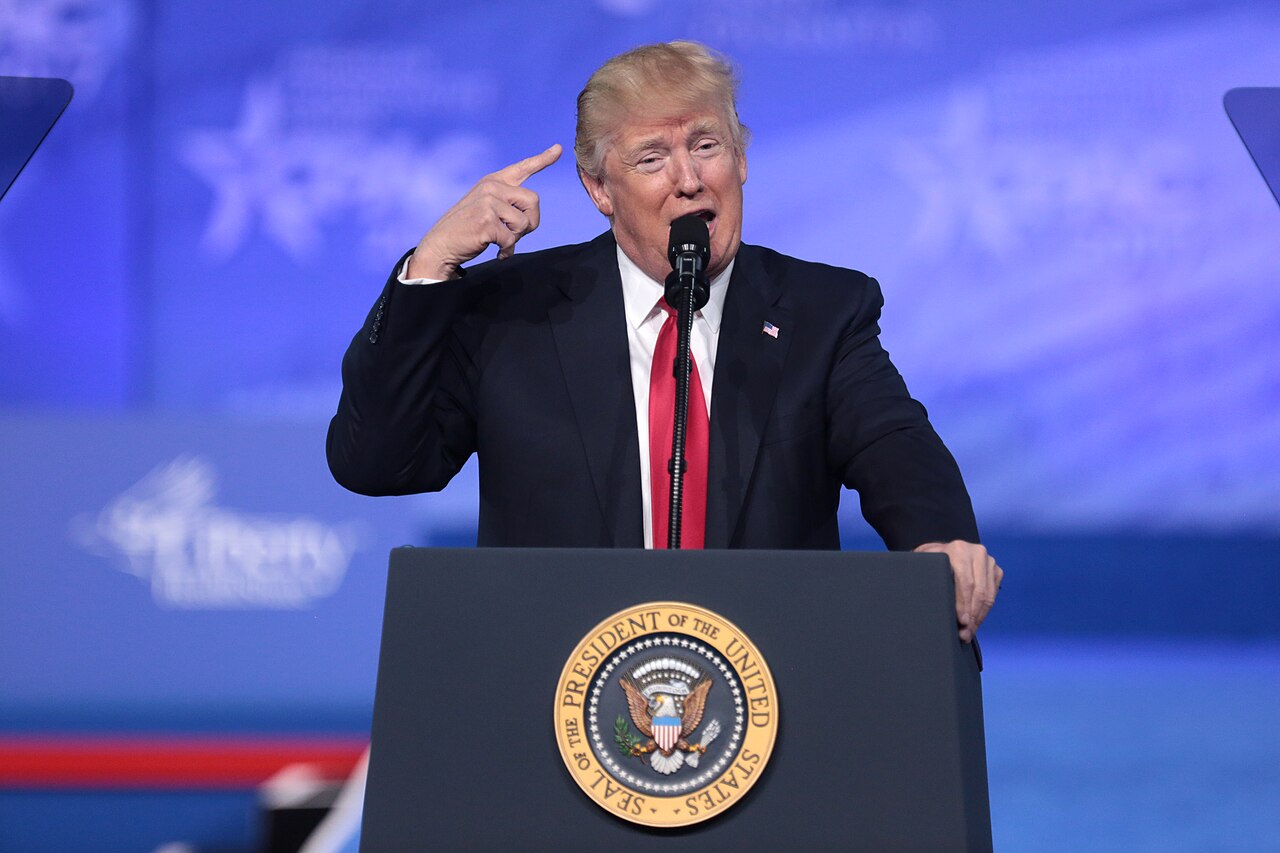
The bombing came just hours after U.S. President Donald Trump announced that he expected a preliminary memorandum of understanding (MOU) to be finalized and signed as early as that same Sunday. The document is intended to lay the foundational framework for broader negotiations to end the offensive military campaign that Trump launched against Iran in late February. While Iranian officials pushed back on Trump’s timeline for an immediate Sunday signing, Iranian Foreign Minister affirmed just two days prior that a preliminary agreement had never been closer to completion.
A reporting from The Associated Press published Sunday emphasized that the new Israeli strikes pose a significant threat to the negotiating process, noting that the current draft of the MOU has already been a source of deep disappointment for Netanyahu’s right-wing government. This is not the first time an Israeli strike on Beirut’s southern suburbs has triggered a major escalation: just one week before this latest attack, a similar strike sparked the most severe confrontation between Iran and Israel since a fragile ceasefire took effect across the region on April 7.
Multiple high-profile observers have echoed the accusation that the attack was a deliberate act of sabotage. Kenneth Roth, the former executive director of Human Rights Watch, took to social media to highlight the striking timing of the strike, noting that the attack came just as a U.S.-Iran agreement appeared within reach. “As a US-Iranian deal seems like it might be closer, Israel predictably bombs the Beirut suburbs, evidently hoping to sabotage the deal,” Roth wrote, adding a sharp question directed at the Trump administration: “Why does Trump put up with this and continue to arm and fund such obstructionism?”
Iranian officials have echoed this criticism, arguing that the strike exposes a failure of the United States to control its closest regional ally. Mohammad Bagher Ghalibaf, Iran’s chief negotiator and speaker of the Iranian parliament, said that the Israeli strike signals the U.S. “either does not have the will or the ability to fulfill its obligations.” He added, “The good cop, bad cop routine has become old. If you do not have the will or the ability to fulfill your commitments, then there is no basis for talking about continuing down this path.”
While the full text of the draft MOU has not been released to the public, key details of its broad provisions have been confirmed by multiple media outlets and senior officials from both sides in recent days. According to a Sunday report from Reuters, the final draft covers a sweeping set of core issues, ranging from limits on Tehran’s nuclear program to the reopening of the strategic Strait of Hormuz and U.S. waivers on Iranian oil sanctions. The MOU would set a 60-day window after the preliminary agreement is signed for both sides to negotiate a final, comprehensive deal.
Under the reported terms of the draft, Iran would immediately reopen the Strait of Hormuz — a critical chokepoint for global oil supplies that Iran had restricted in recent months — and the U.S. would end its ongoing illegal blockade of Iranian ports. Additionally, the U.S. would agree to lift sanctions on Iranian oil exports and unfreeze $25 billion in Iranian assets that have been held overseas, while Iran would agree to maintain the current status of its nuclear program, refraining from further uranium enrichment and any expansion of existing nuclear facilities. Iranian Foreign Minister Abbas Araghchi confirmed in a televised interview Friday that the 60-day ceasefire extension outlined in the MOU would also extend to Lebanon, where Hezbollah and Israeli forces have exchanged regular fire for months.
Axios reporting has revealed that Netanyahu has been largely sidelined from the recent progress in U.S.-Iran talks, with the Israeli prime minister “finding himself in the dark” as negotiations advanced. In recent days, he has reportedly reached out to close allies within the Trump administration repeatedly to try to gather intelligence on the draft agreement’s terms.
In an extraordinary public rebuke following Sunday’s airstrike, President Trump lashed out at Netanyahu in comments to Axios reporter Barak Ravid, saying the Israeli prime minister “has no fucking judgment.” Trump added, “I passed this message on to him – that I am very unhappy with the attack in Beirut.” The criticism comes even as the Trump administration has approved billions of dollars in new weapons sales to Netanyahu’s government in recent months.
Trita Parsi, executive vice president of the Quincy Institute for Responsible Statecraft, warned that the airstrike is unlikely to be the last act of sabotage unless the Trump administration takes concrete action to penalize Israel for the attack. “Netanyahu knows exactly what he is doing and is judging that an attack on Beirut – rather than southern Lebanon – is exactly what’s needed to derail the pending US-Iran deal,” Parsi argued.