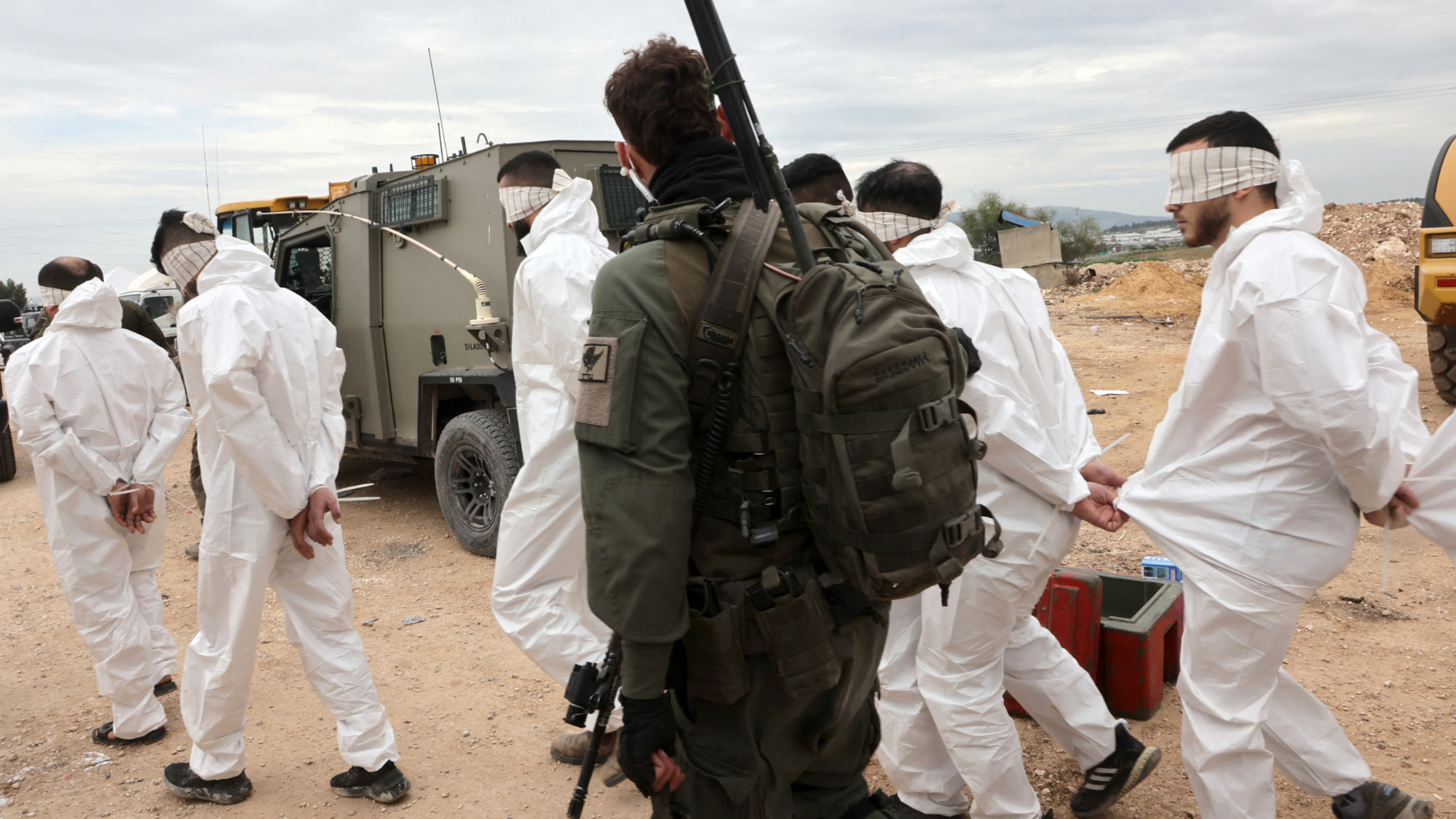
In a landmark and deeply controversial decision that has upended Israel-UN relations, the United Nations has placed Israel on its global blacklist for conflict-related sexual violence, Israel’s ambassador to the UN confirmed Thursday. The inclusion, which Israel has furiously condemned as politically motivated and factually baseless, comes after a wave of documented allegations from human rights groups and independent media outlets that Israeli security forces have perpetrated rape and systematic sexual abuse against Palestinian people since the outbreak of the latest Gaza conflict in October 2023.
The Jerusalem Post, the first Israeli outlet to break news of the listing, confirmed that the Israeli Prison Service (IPS) will formally enter the 2026 iteration of the blacklist, while other Israeli state bodies remain under active review for potential inclusion in future updates. In immediate retaliation for the UN’s action, Israel has frozen all official relations with the office of UN Secretary-General António Guterres, according to the Jerusalem Post report.
Danny Danon, Israel’s permanent representative to the United Nations, issued a scathing rebuke of the decision, framing it as an unfounded moral attack that equates Israel with notorious terrorist groups. “The UN Secretary-General has put Israel on the same blacklist as Hamas, ISIS, and the most depraved terrorist organizations in the world,” Danon told the outlet. “This is a moral disgrace and a complete collapse of any credibility left to the UN.”
The blacklist operates as a formal annex to the UN Secretary-General’s annual report on Conflict-Related Sexual Violence (CRSV), a mechanism created to flag state and non-state actors with credible evidence of systematic patterns of rape and other sexual abuses committed during armed conflict. The annual CRSV report is customarily published each August, and entities added to the list typically remain listed for a minimum of one year. The 2025 iteration of the list already included 63 actors drawn from both state and non-state groups, including Palestinian militant group Hamas.
The allegations against Israeli personnel stretch back months, following the mass detentions of Palestinians in the aftermath of October 2023. Multiple accounts from released detainees, independent human rights investigators, and Israeli advocacy groups have documented a pattern of severe abuses against Palestinian people held in Israeli custody, including sexual violence, torture, deliberate starvation, and cruel, degrading treatment. According to available reporting, at least 100 Palestinian detainees have died in Israeli custody since the outbreak of the conflict, with nearly half of those deaths occurring in military detention facilities and the rest in institutions run by the IPS.
Dozens of released Palestinian detainees have provided on-the-record testimonies detailing the sexual abuse they endured during their detention. In December 2023, two detainees held in separate Israeli facilities told independent outlet Middle East Eye that they had survived violent sexual assault at the hands of Israeli personnel. One detainee recalled being dragged to a secluded room, blindfolded, and assaulted for nearly an hour, during which he was kicked, beaten, and raped with an object. The second detainee reported being raped by trained military dogs.
These testimonies align with broader findings from official UN investigations: a UN inquiry released last year formally accused Israel of using sexualized torture and rape as a deliberate method of war, designed to “destabilize, dominate, oppress and destroy the Palestinian people.” Prominent Israeli human rights organization B’Tselem has gone further, describing the entire Israeli prison system as a “network of torture camps” where detainees face repeated sexual violence, including organized gang assaults carried out by groups of prison guards and soldiers.