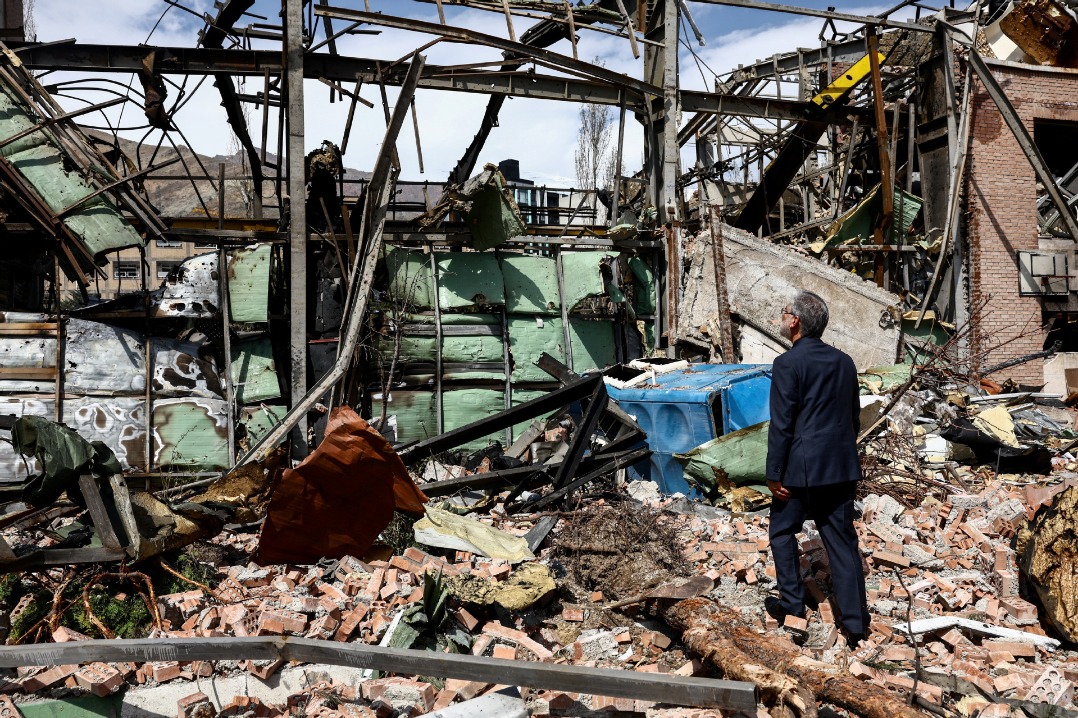
TEHRAN – In a recent public clarification posted to social media platform X, Iran’s top diplomat Seyed Abbas Araghchi has pushed back against misleading Western media reports, reaffirming that Tehran’s core priority in ongoing conflict negotiations is securing a “conclusive and lasting” end to the war launched by the United States and Israel against Iran.
Araghchi’s statement came in direct response to claims published Friday by *The Wall Street Journal*, which alleged that Iran had formally informed mediators it would refuse to meet with U.S. officials for ceasefire negotiations hosted in Islamabad, Pakistan, and that Tehran deemed Washington’s negotiating terms unacceptable. Compounding earlier reporting, Iran’s semi-official Fars News Agency cited an unnamed informed source early Friday confirming that Iran had already rejected a U.S. proposal for a 48-hour temporary ceasefire, which had been shared via a third-party neutral friendly state the day prior.
Addressing the distorted narrative spread by U.S. media, Araghchi emphasized that Iran has never rejected the invitation to hold talks in the Pakistani capital, and expressed sincere gratitude to Pakistan for its diplomatic efforts to de-escalate the crisis. “What we care about are the terms of a conclusive and lasting end to the illegal war that is imposed on us,” the foreign minister stressed, underscoring that Tehran’s refusal to accept superficial, temporary ceasefire terms does not equate to a rejection of dialogue altogether.
The current open conflict traces back to late February, when the United States and Israel launched a coordinated joint airstrike campaign targeting Tehran and multiple other urban centers across Iran. That attack killed Iran’s then-Supreme Leader Ali Khamenei, alongside a number of senior Iranian military commanders and civilian bystanders. In the immediate aftermath of the strike, Iran retaliated with multiple waves of missile and drone attacks targeting both Israeli territory and U.S. military assets stationed across the Middle East, triggering a rapid escalation of regional tensions that has drawn international diplomatic intervention aimed at preventing a full-scale regional war.