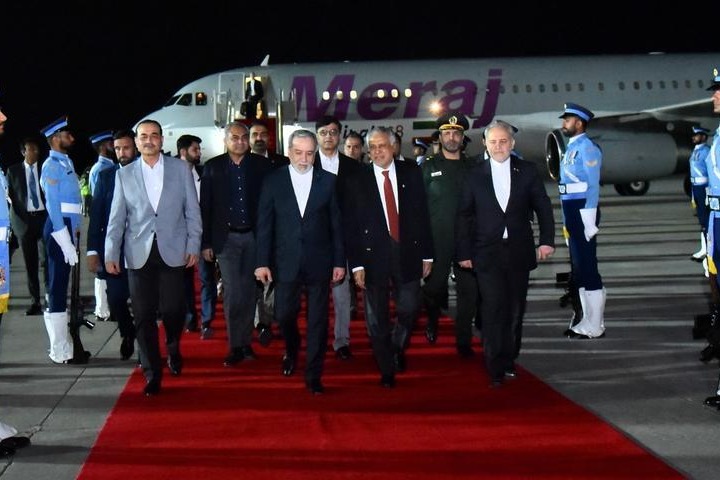
In a clear formal statement released to regional media on Friday, Iran has definitively ruled out any planned negotiations between its foreign minister and United States officials during an official visit to Pakistan’s capital Islamabad, ending widespread speculation that a new round of peace talks would kick off this week.
Seyed Abbas Araghchi, Iran’s top diplomat, arrived in Islamabad on the night of April 24 alongside an official Iranian delegation, Pakistan’s Ministry of Foreign Affairs has publicly confirmed. Per reporting from Iran’s semi-official Tasnim News Agency, Araghchi’s agenda during the Pakistan leg of his multi-nation tour only includes bilateral discussions with Pakistani leadership, focused exclusively on sharing Iran’s official positions aimed at reaching a permanent end to ongoing conflict between Iran, the U.S. and Israel.
Iran’s state-owned Islamic Republic of Iran Broadcasting (IRIB) further clarified that while no direct meeting between Araghchi and U.S. representatives is on the schedule, Pakistani officials will serve as a communication channel to relay Iran’s stances on conflict resolution to the American side. This arrangement builds on prior indirect diplomatic engagement that has used Islamabad as a neutral intermediary for talks between Tehran and Washington.
Araghchi himself outlined the broader goals of his tour in a post on the social platform X Friday, confirming that after concluding engagements in Pakistan, he will travel onward to Oman and Russia. “Embarking on timely tour of Islamabad, Muscat, and Moscow,” he wrote. “Purpose of my visits is to closely coordinate with our partners on bilateral matters and consult on regional developments. Our neighbors are our priority.”
In a separate development also reported by Tasnim on Friday, Iran’s Islamic Revolution Guard Corps (IRGC) seized a foreign vessel that the force says was caught conducting coordination activities with the U.S. military. The details of the seizure and vessel’s identity have not yet been fully released to the public.
The current diplomatic standoff follows a 40-day period of active conflict that ended with a temporary ceasefire between Iran, the U.S. and Israel enacted on April 8. Two days after the ceasefire went into effect, Iranian and U.S. delegations held two days of direct talks in Islamabad between April 11 and 12, but those negotiations collapsed without reaching any binding agreement.
Regional diplomatic sources had widely anticipated a second round of talks would be held in Pakistan this week, but Iran has declined to participate. Tehran cites the continuing American naval blockade in regional waters and what it describes as Washington’s excessive, unreasonable negotiating demands as the core reasons for its refusal to engage in new talks at this time.