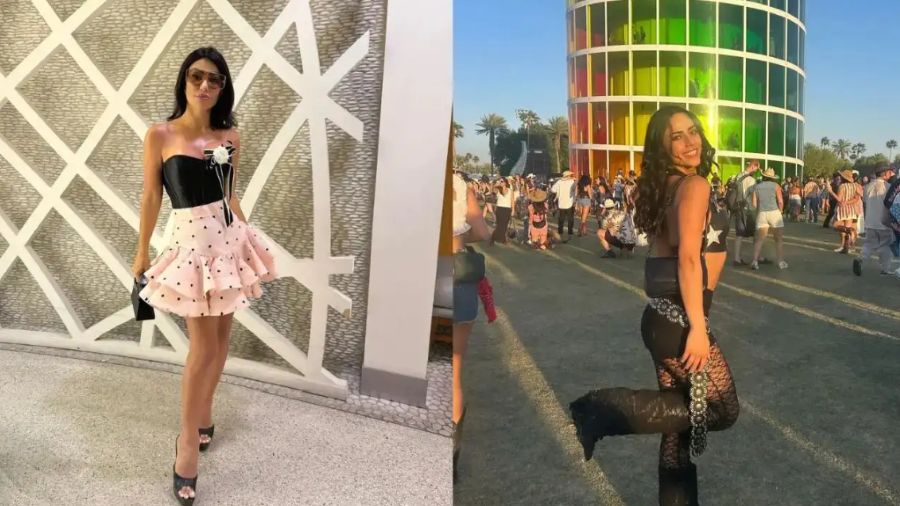
In early April, two Iranian women residing in the United States were taken into immigration custody after their residency permits were abruptly revoked. The detention came after far-right American activist Laura Loomer drew public attention to the pair on social media, claiming they were direct relatives of the late Iranian Quds Force commander Qassem Soleimani, and reported them to the U.S. Department of Homeland Security for allegedly sharing content sympathetic to the Iranian government.
Weeks after the arrest, new evidence unearthed by U.S.-based independent outlet Drop Site News has upended the initial claims linking the detainees to the assassinated military leader. After examining Iranian birth registries, official identification documents, a family will and other verified personal records, the outlet confirmed that 66-year-old Hamideh Soleimani Afshar and her 20-something daughter Sarina share no blood relation, even distant, to Qassem Soleimani – a finding that corroborates an early denial issued by Soleimani’s biological daughter Zeinab immediately after the April arrest.
Far from being supporters of the Islamic Republic as U.S. officials have claimed, Drop Site News’ investigation reveals Hamideh Soleimani Afshar is a longstanding Iranian dissident who actively participated in anti-government protests throughout the 1990s and 2000s. Her activism landed her a week in an Iranian prison for dissent, forcing her and her daughter to flee the country years later to seek safety in the United States.
The official narrative from the U.S. State Department at the time of the arrest painted Soleimani Afshar as an open backer of Iran’s “totalitarian terrorist regime”, alleging she had praised Mojtaba Khamenei, the rumored successor to Iran’s current Supreme Leader, and labeled the United States the “Great Satan”. But speaking from immigration detention, Soleimani Afshar pushed back against these claims, clarifying that while she opposes exiled monarchist leader Reza Pahlavi and former U.S. President Donald Trump’s aggressive foreign policy toward Iran, she and her daughter fled the Iranian regime to escape political persecution.
“We came to America to find peace and safety, away from that regime,” she said from the facility. “And now we’re being treated almost the same – even worse than we were in Iran. We’ve been locked up for three weeks now, and I have no idea what will happen to us next.”
The case has also raised urgent alarms over the detainees’ access to medical care. Sarina Soleimani told reporters her mother lives with autoimmune hemolytic anemia, a serious blood disorder that requires ongoing medication and monitoring. Since being detained, she has been denied consistent access to her necessary treatment. Her hemoglobin levels have dropped to dangerously low ranges, leaving her frequently disoriented and unconscious. Sarina added that her mother recently fainted on the floor of the detention center and remained unresponsive for more than 10 minutes before receiving any assistance.
For Sarina, the situation is a devastating betrayal of the promises of free speech and political asylum the United States claims to uphold. “My mom has always been passionate about speaking out,” she said. “She was threatened and imprisoned in Iran for talking about politics, and she thought she could come here to speak freely. Now she’s in prison again for the same thing.”
Qassem Soleimani, the long-serving head of the Islamic Revolutionary Guard Corps’ elite Quds Force, was killed in a targeted U.S. drone strike in Baghdad’s international airport in January 2020. The attack also killed Abu Mahdi al-Muhandis, deputy commander of Iraq’s Popular Mobilisation Forces, and escalated tensions between Washington and Tehran to levels not seen in decades, sparking global fears of a full-scale regional war.