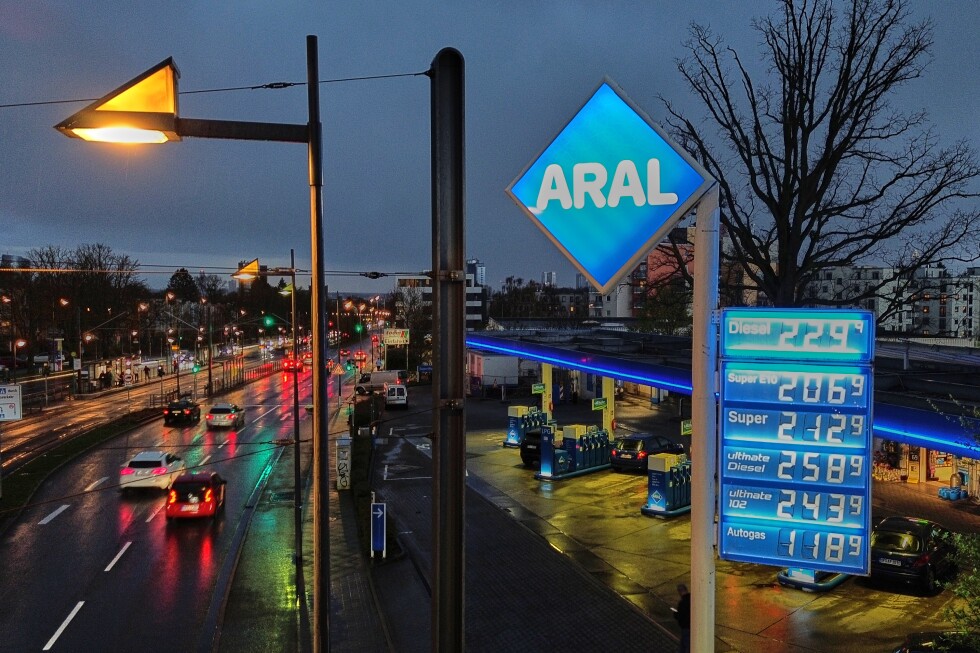
FRANKFURT, Germany — Escalating geopolitical tensions in the Middle East have triggered a significant surge in European inflation, with official data revealing a jump to 2.5% in March from February’s 1.9%. The conflict involving Iran has severely disrupted energy supplies, precipitating a sharp increase in fuel costs that is now permeating the broader economy.
The statistical office of the European Union, Eurostat, reported a dramatic reversal in energy price trends, with March witnessing a 4.9% increase compared to February’s 3.1% decline. This energy shock has created immediate ripple effects across consumer markets, particularly affecting transportation and agricultural sectors.
At Rome’s Trionfale market, vendors are experiencing firsthand the economic consequences of the conflict. Anna Caruso, a vegetable stand operator, explained the direct correlation between fuel costs and produce pricing. “When transportation expenses rise, these increases are inevitably passed along to consumers through higher prices for vegetables like zucchini, eggplant, and seasonal fruits,” she noted, adding that customers are increasingly opting for more affordable alternatives.
Market merchant Paola Ianzi confirmed that while seasonal factors contribute to some price increases, the conflict has significantly exacerbated the situation through its impact on diesel and transportation costs that suppliers must recoup.
Beyond energy, the inflation picture shows varied sector performance with food prices rising at a relatively moderate 2.4% while services—encompassing healthcare to personal services—increased by 3.2%.
European Central Bank President Christine Lagarde has expressed concern that businesses might be quicker to implement price increases during this inflationary episode, drawing from recent memories of the 2022 inflation crisis when prices reached double digits following Russia’s energy supply reductions.
The current crisis stems from Iran’s obstruction of tanker traffic through the Strait of Hormuz, a critical maritime passage for approximately 20% of global oil and gas shipments. This blockade has created expectations of substantially tighter fuel markets in the coming months.
Financial analysts are now anticipating monetary policy responses, with many predicting the ECB will implement interest rate increases to prevent inflationary expectations from becoming entrenched in the economy. ABM AMRO’s Head of Macro Research Bill Diviney stated: “We expect the ECB to raise rates already at the April and June governing council meetings to pre-empt any de-anchoring of inflation expectations.” This sentiment is echoed by Oxford Economics analysts, who similarly forecast two rate increases this year. The ECB maintained its key rate at 2% during its most recent meeting on March 19, with rate hikes remaining the central bank’s primary anti-inflation instrument.