As the 2026 FIFA World Cup co-hosted by the United States, Canada and Mexico draws near, a historic moment for global football has become a source of deep anxiety for immigrant and minority communities across the US, who fear heightened immigration enforcement will put them at risk of detention or deportation even as they gather to cheer on their nations.
For Haitian immigrant Emile, a 40-something truck driver based in Ohio who asked to keep his last name private, the excitement of Haiti’s first World Cup appearance in more than 50 years is tempered by constant fear. This year’s tournament marks Haiti’s return to the global football stage for the first time since 1974, a milestone Emile describes as a once-in-a-lifetime opportunity. “Singing my country’s national anthem in a stadium in front of the whole world is a historic moment that no one would want to miss,” he told Agence France-Presse. “But at the same time, I think twice. I don’t want to be arrested by ICE.”
Emile, who currently benefits from temporary protected status (TPS) that shields him from deportation to crisis-stricken Haiti, has followed his lawyer’s advice to avoid air travel entirely over fears he will be apprehended by agents from US Immigration and Customs Enforcement (ICE) at airport security checkpoints. He is far from alone in this anxiety.
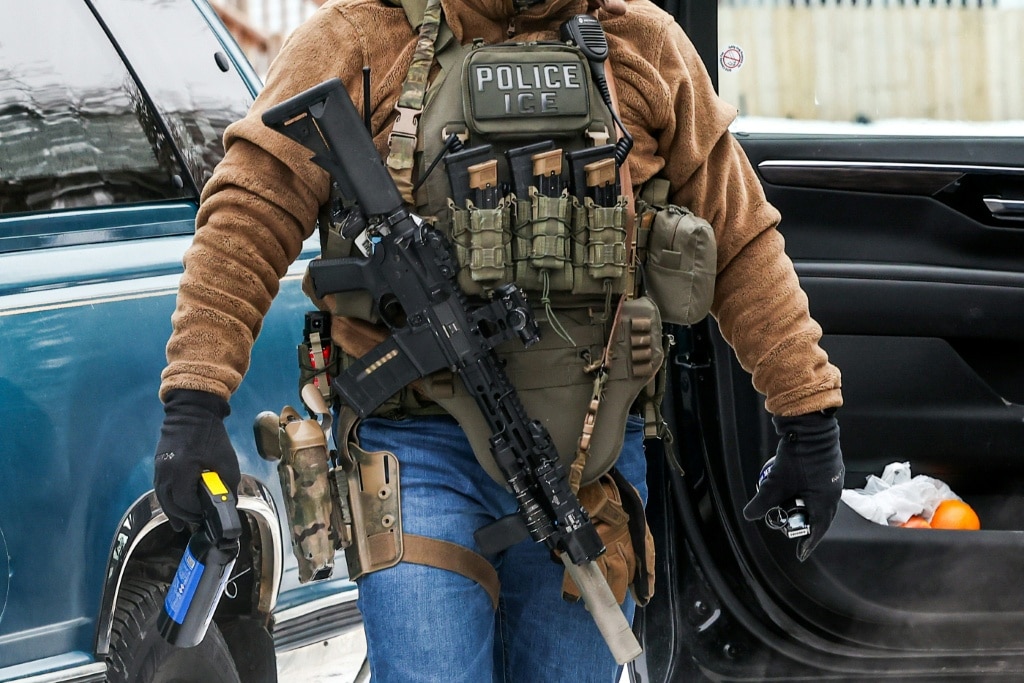
Across the country, immigrant communities have grown increasingly wary of ICE’s aggressive enforcement tactics. For years, communities have watched heavily armed, masked ICE agents conduct high-profile, often violent raids in major US cities. Public outrage reached a boiling point after ICE agents shot and killed two American demonstrators during an operation in Minneapolis.
Monica Sarmiento, a representative of the Virginia Coalition for Immigrant Rights, told AFP the pervasive enforcement has created a constant climate of fear. “Now, people are making sure that they are aware to what they are doing and they don’t feel safe,” she said. “They are afraid. We have seen very aggressive tactics (from ICE) that have gone after not only undocumented communities but also people with protective status.”
Sarmiento noted that a large majority of immigrants targeted by ICE enforcement do not pose a public safety threat: 70% of those arrested, detained and deported in recent operations have no criminal record, and many have lived in the US for decades, contributing to local economies through tax payments. “Many of them have been here for decades, paying taxes for decades,” she added. “We are living in a fearful and hostile environment across the country, and not only for the World Cup but every single day.”
Of the 104 total World Cup matches, 78 will be played across US cities between the tournament’s opening on June 11 and final on July 19. That means millions of fans—including hundreds of thousands of immigrant and minority supporters—will travel across the country to attend matches, bringing them into increased contact with law enforcement and immigration officials.
The US Hispanic community, which makes up 20% of the national population and has large concentrations in World Cup host states including California, Texas and Florida and major host cities Miami, Los Angeles, Dallas and New York, has been particularly vocal about concerns over increased ICE activity around stadiums and fan zones. The roughly 850,000-strong Haitian American community, concentrated largely in Miami and New York, also faces elevated risk: the Trump administration has moved to end the TPS program that protects thousands of Haitian immigrants like Emile from deportation to Haiti, which is grappling with devastating gang violence, political collapse and extreme poverty.
Fears have been amplified by recent high-profile cases of immigration enforcement targeting sports spectators. Last year, Human Rights Watch documented the case of an asylum seeker who was arrested by ICE and deported after attending the Club World Cup final in New Jersey with his children. Rights groups now warn that foreign tourists traveling to the US for the 2026 World Cup could also be targeted by immigration agents near stadiums and popular fan gathering zones.
In April, more than 120 US civil rights organizations—including the prominent American Civil Liberties Union (ACLU)—jointly issued an official travel advisory, warning all attendees, players, journalists and international visitors of the “risk of serious rights violations” during their time in the US. The advisory outlines a range of potential harms, from denied entry to racial profiling, arbitrary arrest, detention, deportation, and even cruel or deadly treatment while in ICE custody.
In response to press inquiries from AFP, the Department of Homeland Security (DHS), which oversees ICE, downplayed the concerns. ICE has a long history of participating in security detail for major US events, including the annual Super Bowl. “International visitors who legally come to the United States for the World Cup have nothing to worry about,” a DHS spokesperson said. “What makes someone a target for immigration enforcement is whether or not they are illegally in the US.”
FIFA, football’s global governing body, also responded to AFP’s request for comment, stating that it “is committed to respecting all internationally recognized human rights and strives to promote the protection of these rights.” Despite official reassurances, however, many immigrant fans across the US remain unconvinced, choosing to skip the historic tournament rather than risk their ability to stay in the country they call home.