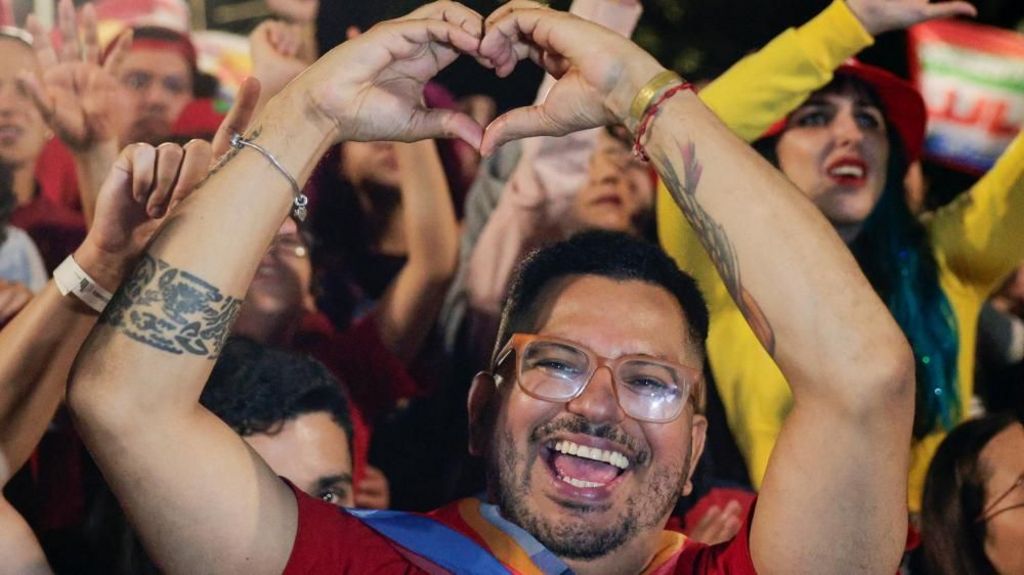
Against a backdrop of widespread polling forecasts that predicted a defeat for incumbent left-wing Brazilian President Luiz Inácio Lula da Silva in his re-election bid, a grassroots digital campaign anchored on a single WhatsApp channel has emerged as a central figure in one of the most stunning political turnarounds in Brazil’s modern electoral history. For weeks leading up to the second round of voting, Lula had trailed far behind his right-wing challenger Flávio Bolsonaro, son of former far-right president Jair Bolsonaro, whose conservative movement had held a decade-long unchallenged dominance over Brazilian political mobilization on encrypted platforms like WhatsApp and Telegram. That long-standing digital imbalance shifted dramatically when Congressman André Janones launched the informal campaign channel dubbed “Lula’s Army”, which swelled to a staggering 10.8 million followers in the narrow three-week window between the first and second rounds of voting. The channel operated with a highly structured, task-driven playbook: administrators distributed pre-written shareable content templates to every follower, issued urgent real-time calls to action to boost campaign videos and push new hashtags to viral status, and even issued playful, high-stakes rallying cries such as “No food before the mission!” and “Don’t go to sleep yet” to keep supporters engaged around the clock. On the final eve of the election, Janones hosted a nonstop 24-hour “turnaround livestream” to rally last-minute voters, even as nearly all major public opinion surveys continued to project a comfortable win for Flávio Bolsonaro. The unorthodox strategy drew internal pushback from moderate factions of Lula’s Workers’ Party, who worried Janones’ famously confrontational online tone would erode the centrist, unifying public image the campaign had sought to project. But the effort paid off: in his post-victory address, Lula publicly hailed Janones as “our General” and credited him with lifting the morale of the entire supporter base. Leading Brazilian political analysts, however, caution against overstating the singular impact of the WhatsApp operation, noting that quantifying direct vote gains from digital mobilization remains notoriously difficult. Political scientist Denilde Holzhacker explained the comeback rested on a carefully calibrated two-pronged shift in campaign strategy, where the viral digital momentum was paired with a sweeping expansion of on-the-ground grassroots organizing that tied a potential Bolsonaro victory to concrete voter concerns over cuts to social welfare programs and eroded civil rights. She noted Flávio Bolsonaro’s campaign, by contrast, entered the run-off period overconfident after favorable polling and failed to run a coordinated outreach operation to match Lula’s combined digital and ground game. University of Rio de Janeiro sociology professor Mayra Goulart further emphasized that the campaign’s greatest strength was its ability to translate online enthusiasm into tangible real-world action: supporters organized neighborhood meetings, transported undecided voters to polling stations, and ran targeted outreach to reduce election abstention rates, a combination that delivered both higher turnout and a decisive edge with undecided demographics. Beyond the election results, the unprecedented mobilization has laid a foundation for Lula’s upcoming governing agenda: the president-elect has explicitly pledged to integrate the participatory, digital-first model into his administration, promising to expand public input in federal decision-making and leverage digital communication tools to keep supporters engaged in the policy process long after the campaign season ends.