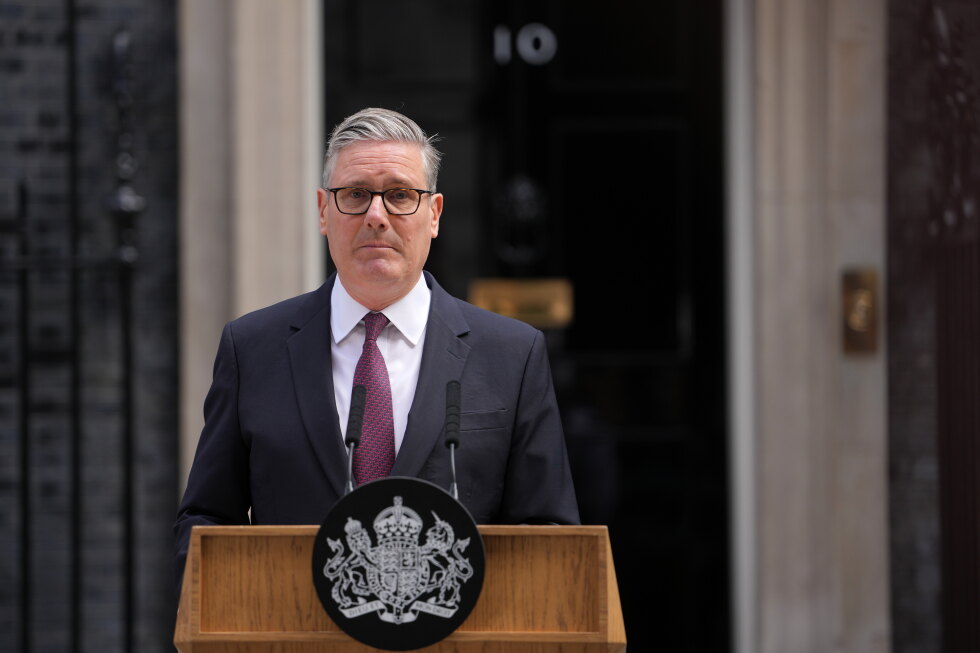
LONDON — In a seismic shake-up of British midterm governance, Prime Minister Keir Starmer announced Monday he would resign from his roles as prime minister and leader of the ruling Labour Party, acknowledging he no longer holds the confidence of Labour’s parliamentary rank and file. He will remain in office only until a successor is selected, a transition that could be completed as early as mid-July.
The political domino effect that led to Starmer’s exit was triggered last week by a landslide by-election win for Andy Burnham, the former popular mayor of Greater Manchester, in the northwest England constituency of Makerfield. Within hours of Starmer’s resignation statement delivered outside 10 Downing Street, Burnham — who will be re-sworn in as a member of Parliament this week after a decade serving in city-level governance — formally confirmed he will stand to replace Starmer as Labour leader and prime minister.
Burnham’s decisive Makerfield victory has positioned him as the undisputed frontrunner in the leadership race. Against a backdrop of plummeting national poll ratings for Labour and heavy losses in May’s local elections, Burnham defied all political expectations: he fended off a strong challenge from the anti-immigration Reform UK, consolidated support from left-leaning minor parties, and lifted Labour’s vote share in the seat to nearly 55%. Political analysts note that if this level of support is replicated nationwide in the next general election, Labour would retain its hold on government. The next formal general election is not required to be held until 2029, and UK electoral law allows ruling parties to replace their leader — and thus prime minister — midterm without triggering a national vote.
In his Downing Street statement, Starmer did not name Burnham explicitly, but conceded with graciousness that he was no longer the best candidate to lead Labour into the next national election. “The country expects stability, seriousness and a continued focus on the issues that matter most and that is what it will get,” Burnham told reporters ahead of his journey to London on Monday, adding that the leadership transition must be carried out in an orderly, responsible manner.
Per the timeline laid out by Starmer, Labour’s National Executive Committee will open candidate nominations on July 9. If Burnham runs unopposed, he could be confirmed as the new party leader as soon as the following week. A contested leadership election would push the final result into September.
Burnham has already secured a major early endorsement: Wes Streeting, who stepped down as Health Secretary last month and was widely expected to launch his own leadership bid, announced he would back Burnham instead. Streeting argued Burnham is the only candidate capable of defeating the nationalist, anti-immigration agenda of Reform UK, led by Nigel Farage, which has overtaken Labour in national opinion polls since the 2024 general election. “We could spend the summer exaggerating small differences, or we can roll up our sleeves and help him to deliver the change our party and our country needs,” Streeting said.
Other potential contenders have not yet publicly commented on the leadership race. These include Starmer’s former deputy Angela Rayner, who resigned last September over an unpaid property tax controversy, and former Armed Forces Minister Al Carns, who quit last week in protest of Starmer’s defense funding plans. Many Labour parliamentarians have publicly called for a unanimous coronation of Burnham to allow him to move into 10 Downing Street before the party’s annual autumn conference, though Burnham declined to comment on whether he prefers an unopposed transition when asked by reporters.
To qualify for the leadership contest, candidates must first secure the backing of 20% of Labour’s House of Commons lawmakers — a threshold of 81 votes. Candidates who clear that hurdle must then win support from either 5% of local constituency Labour parties or at least three affiliated groups, such as trade unions and cooperative societies. Once the candidate list is finalized, eligible Labour members and affiliate representatives will vote through a ranked-choice electoral system, with the first candidate to secure more than 50% of the vote declared the winner. After the result is confirmed, King Charles III will formally invite the new leader to form a government and take office as prime minister.