On Monday, dozens of journalists and radio employees linked arms to form a human chain encircling Czech Public Radio’s headquarters in Prague, launching a 24-hour warning strike to push back against the ruling coalition’s controversial plan to restructure public broadcaster financing. The proposed policy, which was formally approved by the cabinet of populist Prime Minister Andrej Babiš last week, would scrap the long-standing system of viewer and listener license fees paid by individual households and private businesses, replacing that funding stream with direct allocations from the national state budget starting in 2025.
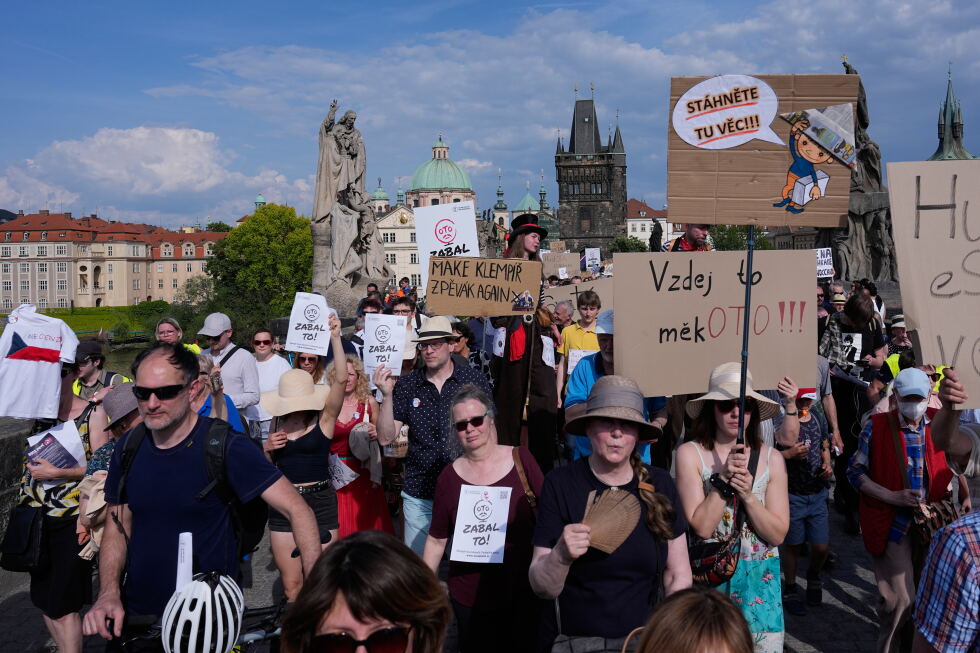
The government’s overhaul has sparked widespread public outcry and repeated protests, with media workers and free press advocates warning that the shift would open the door to undue political interference and erode the core independence of Czech public media. Critics draw parallels to other central European countries led by populist governments, specifically pointing to Slovakia under Prime Minister Robert Fico and Hungary under former Prime Minister Viktor Orbán, where political control over public media has become widely documented.
Beyond the threat to editorial independence, the plan also carries steep financial consequences for the institutions: official projections show public broadcasters would face an immediate 15% cut to their total annual budget in the first year of the new policy. Leaders of both public radio and public television have confirmed the funding reduction would force hundreds of layoffs across the two outlets, slash original content production, and lead to the cancellation of dozens of popular ongoing programs.
During Monday’s strike, radio staff dressed all in black to symbolize what they call a threat to the future of independent public media. In a coordinated act of protest, most regular programs were delayed by one minute at the start of the broadcast, and the station intentionally limited access to its online and social media platforms for the duration of the 24-hour action. Strike organizers have confirmed they are already planning additional escalated protest steps in the coming weeks, but have not yet released details of what those actions will entail.