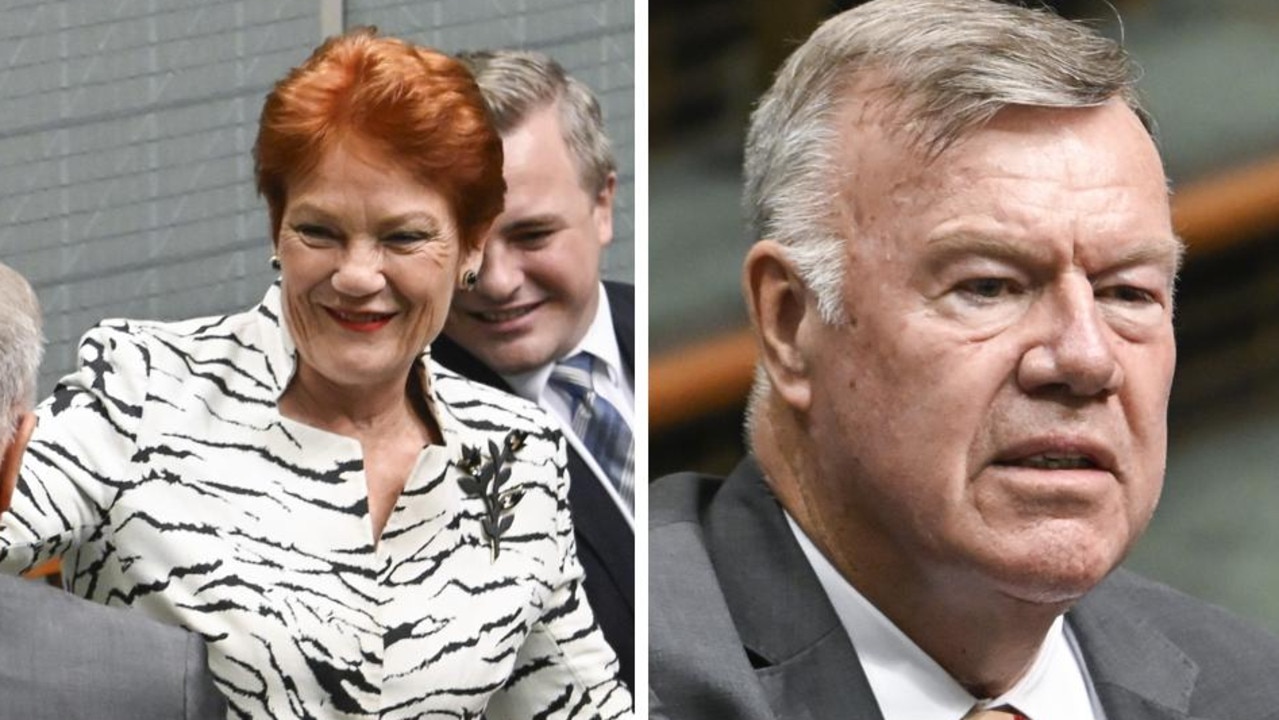
Australia’s right-wing populist One Nation party has marked a defining new chapter in its federal political history, as its second lower house Member of Parliament was officially sworn into the House of Representatives this week, capping off a dramatic poll surge that has put the party in national spotlight and reignited talk of a potential prime ministerial bid from party leader Pauline Hanson.
On Tuesday shortly after midday, David Farley, who secured his seat in the rural New South Wales electorate of Farrer at a May by-election, walked into the chamber alongside former Nationals leader and One Nation’s only other sitting lower house MP Barnaby Joyce. The by-election was called after former opposition leader Sussan Ley stepped away from politics earlier this year, following an internal leadership challenge. Farley’s election victory was a major rebuke to the ruling Coalition, with the new MP claiming almost 40% of the primary vote to win the seat.
Following the traditional swearing-in ceremony, where Farley swore allegiance to King Charles III with guidance from Joyce on the required signing procedures, Hanson welcomed the new MP with a warm embrace. The Queensland senator was joined at the event by One Nation’s upper house representatives Malcolm Roberts, Tyron Whitten and Sean Bell. In a post-event social media statement, Hanson noted that Farley’s swearing-in brings One Nation’s total federal parliamentary caucus to six sitting members. A visibly nervous Farley completed his formal obligations before shaking hands with Home Affairs Minister Tony Burke, and exchanging greetings with across-bench colleagues including Liberal MPs Tom Venning and Leon Robello, independents Dai Lei and Monique Ryan, and former deputy prime minister Michael McCormack, who offered the new MP well wishes. Farley ultimately took his seat on the crossbench alongside Joyce and Lei.
The milestone comes as One Nation is experiencing its most sustained popularity surge in recent history. A new joint poll conducted by the Australian Financial Review, Redbridge Group and Accent Research released earlier this week found the party has overtaken the center-left Labor Party to become the most popular political force in the country. This growing electoral support has emboldened Hanson to increasingly openly discuss a potential run for the office of prime minister, a bid that would require the party leader to move from her current Senate seat into the lower house of parliament.
When asked by 2GB on Monday whether she would be prepared to contest the next federal election for the top job, Hanson downplayed concerns over her health, saying: “It will come down to my health. I’ve got nothing wrong with me. I take no medication, nothing. I’ve got more energy in me than a lot of these other people.”
Not all political figures have accepted Hanson’s claims of fitness for office, however. Liberal frontbencher Andrew Hastie quickly pushed back against the suggestion, pointing to Hanson’s age and her low attendance record at Senate estimates hearings to argue she lacks the capacity for the role. Speaking to the ABC, Hastie said: “Up until this point, she has been running a political party, but she is now talking about being prime minister. For that you need drive and commitment and energy, and I think the attendance record shows otherwise.”