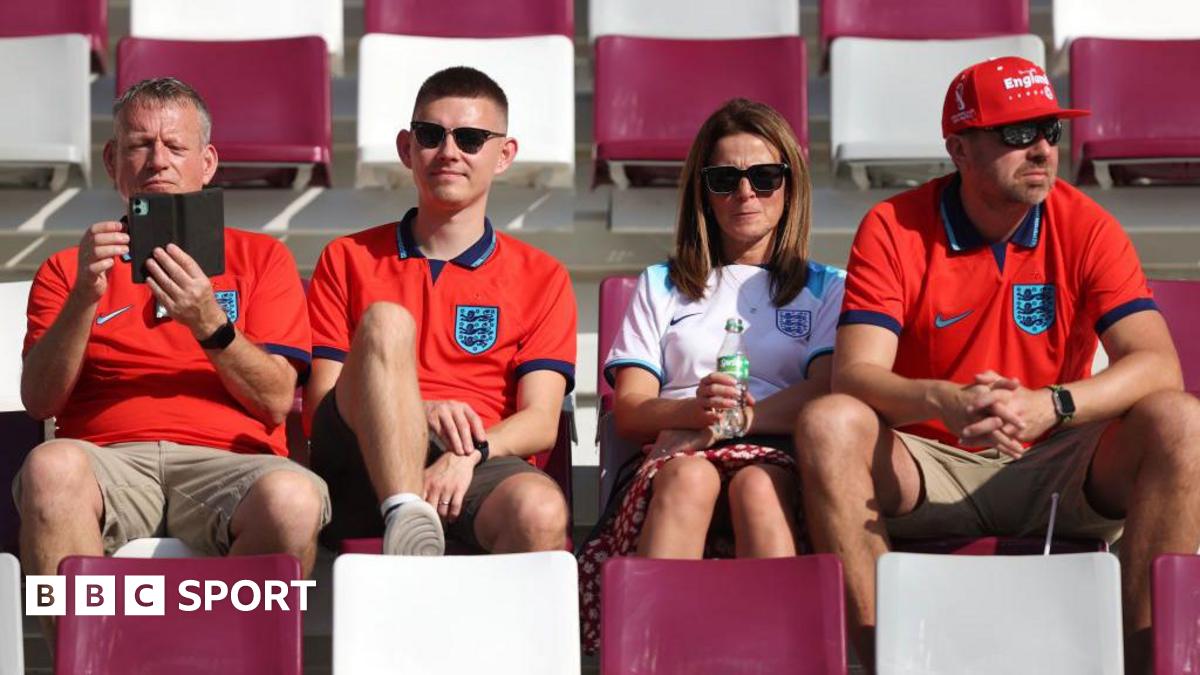
Just seven days before the 2026 Fifa World Cup kicks off on June 11, football’s global governing body has triggered widespread criticism with a sudden, late reversal of its stadium policy that prohibits fans from bringing reusable water bottles into match venues, a move public health and heat experts warn puts spectator well-being at severe risk amid forecast extreme tournament temperatures.
The original, publicly released stadium code of conduct explicitly permitted empty, transparent reusable plastic bottles of up to one liter to be brought inside venues. In its policy update, Fifa framed the new blanket ban – which also covers personal cups, jars and cans – as a safety measure to reduce the risk of injury from thrown projectiles. “Fifa is committed to protecting the health and safety of all players, referees, fans, volunteers, and staff,” the organization said in a formal statement. It added that spectators would still be able to purchase water inside stadiums, with prices capped to match those charged at other major events held at the same venues, and that existing heat mitigation infrastructure, including misting stations, cooling tents, hydration points and portable fans across stadium grounds, would remain in place to manage high temperatures. To protect player welfare, Fifa has also already added one three-minute hydration break per half to all match schedules.
But heat and health specialists have roundly condemned the last-minute U-turn, warning it exacerbates already documented gaps in the tournament’s heat safety planning. Back in May, a group of leading scientists issued an open letter warning that existing heat safety measures were inadequate, as forecast temperatures at 14 of the 16 host venues will exceed the threshold for dangerous heat exposure.
Ollie Jay, a professor of heat and health at the University of Sydney who was one of the signatories of the May open letter, told reporters his greatest concern now centers on spectator rather than athlete welfare. “If you look at the athlete population, all of them are very fit,” Jay explained. “Whereas if you think about the spectators, you’ve got a broad range of different people that will be attending, from young kids to elderly people, people with chronic diseases, people taking different types of medications – all of which results in different levels of heat sensitivity. Your average spectator is probably going to be less resilient to the heat than these highly-conditioned professional athletes.”
Jay added that many fans will already face accumulating heat exposure during their travel to stadiums, leaving them dehydrated even before they enter the venue. Once inside, packed seating, direct sunlight, high humidity and limited airflow can combine to create dangerous levels of heat stress that the body struggles to regulate. “Unless the cooling controls are really successful, I would imagine this decision [to ban water bottles in stadiums] will clearly heighten the risk of heat-related health incidents,” he warned.
Dr Theodore Keeping, a researcher at Imperial College London and lead author of a World Weather Attribution study focused on heat safety at the 2026 World Cup, emphasized that accessible hydration is the most basic foundational protection against extreme heat. “Allowing fair and equitable access to hydration is a basic first defence against the extreme heat risks climate change is bringing to this World Cup,” Keeping said.
Critics from fan groups and climate advocacy organizations have also raised sharp concerns about the policy change. The Free Lions England supporters’ group described the ban as a “strange, late change”, noting that it directly contradicts prior assurances Fifa gave to fan representatives that personal reusable bottles would be permitted. “In all of our discussions, free water availability in stadiums was a key one and we were assured by Fifa that this would be the case and that fans will have the ability to bring their own water bottle,” the group said in a statement posted to X. “Naturally, the immediate thought from supporters is this is just the latest money-grab. For how hot the stadiums will be, many in open air, just let fans bring a bottle if they want. We hope the water fountains in stadiums will still be free, hopefully you aren’t charged in the queue!”
Andrew Simms, from the UK-based New Weather Institute, argued the ban is the latest in a pattern of reckless decision-making from Fifa that ignores basic duties of care to spectators, amid growing climate risks. “Is Fifa climate-trolling the game it’s meant to protect?” Simms said. “It is already staging the most polluting World Cup ever, sponsored by one of the world’s biggest climate-polluting oil companies, and has heat safety protocols heavily criticised by world leading health experts. Now making it even more difficult for fans to stay safe in a competition vulnerable to global heating seems to be a reckless rejection of Fifa’s duty of care.”
The policy change arrives amid a broader wave of fan anger over the 2026 tournament, with spectators already complaining about what they describe as “extortionate” ticket prices and inflated public transport fares for traveling to matches. It is not the first time Fifa has implemented a reusable bottle ban at a World Cup – spectators were also barred from bringing personal bottles into venues during the 2022 tournament in Qatar.