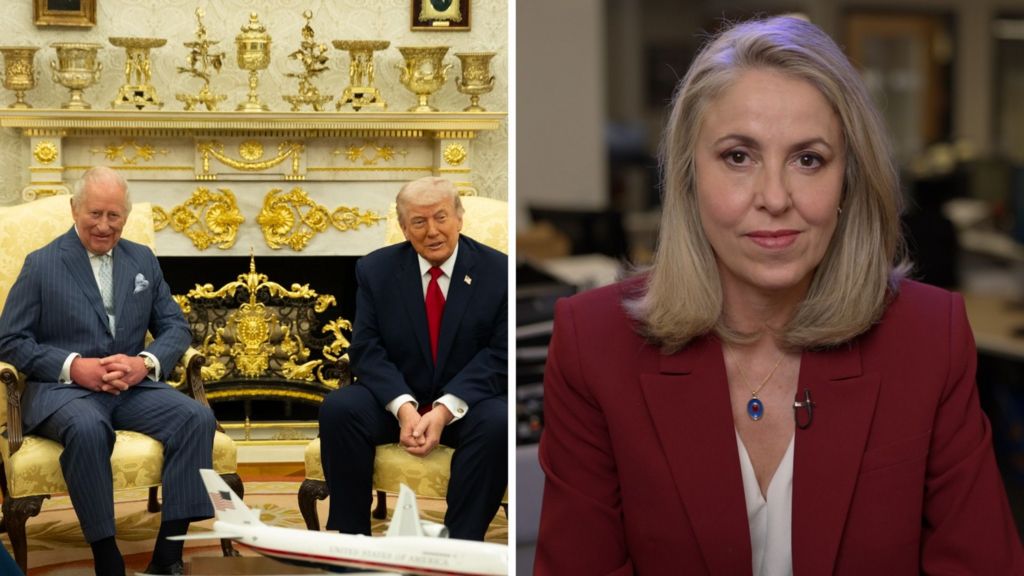
For decades, the so-called “special relationship” between the United States and the United Kingdom has been a cornerstone of transatlantic diplomacy, but it has faced growing strains in recent years amid shifting policy priorities and changing leadership on both sides of the Atlantic. Now, a key question is circulating in diplomatic circles: could King Charles III’s recent high-profile royal state encounter with former U.S. President Donald Trump breathe new life into this long-standing alliance?
Sarah Smith, senior political correspondent for the BBC, has examined whether the British monarch’s deliberate diplomatic outreach to Trump produced any tangible shift in the trajectory of U.S.-UK ties. The interaction, framed as a charm offensive by observers, saw King Charles lean into his decades of diplomatic experience to engage the former president in discussions covering shared global priorities, from transatlantic security to economic cooperation.
The special relationship has long been defined by more than just formal policy alignment; it rests on shared cultural values, historical ties, and coordinated action on the world stage. In recent years, however, changing leadership in both capitals has led to questions about whether the bond has weakened, with disagreements over trade policy, climate action, and international security creating occasional rifts between the two allies.
Smith’s analysis centers on whether the monarch’s soft power diplomacy, built on personal engagement and symbolic connection, can help bridge divides and shore up the relationship, regardless of ongoing shifts in elected leadership on both sides. While the meeting itself was largely symbolic, experts note that high-profile royal engagements have long played a quiet role in smoothing diplomatic tensions and keeping bilateral channels open.