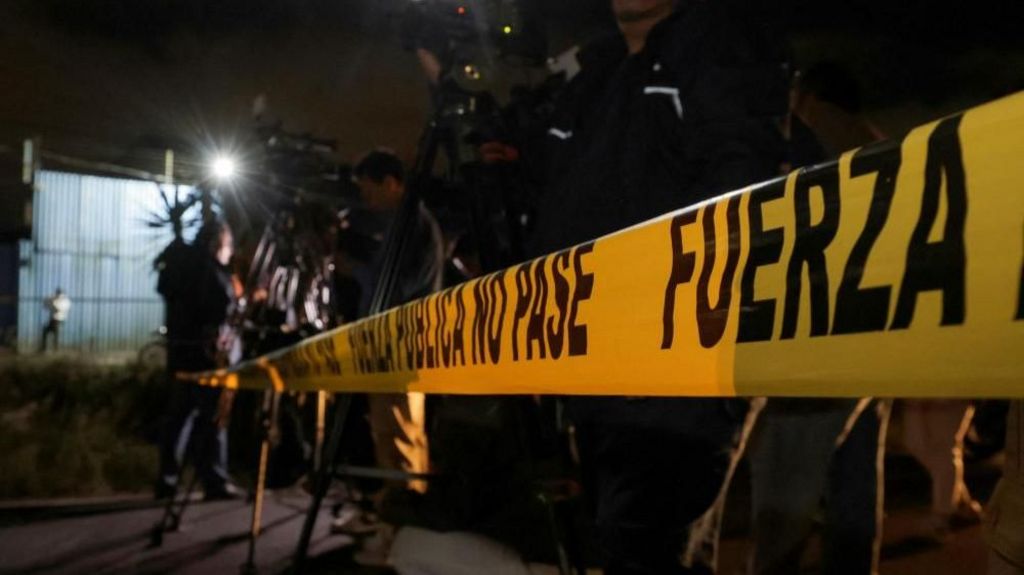
On a Monday afternoon outside the northern perimeter of Costa Rica’s capital San José, 50-year-old veteran independent journalist Camilo Rodríguez was ambushed and fatally shot by unidentified assailants riding a motorcycle while he was traveling in his personal vehicle, local law enforcement confirmed. Officers immediately cordoned off the crime scene to collect forensic evidence, as captured in on-site photojournalism from Reuters stringer Mayela Lopez.
For weeks leading up to his killing, Rodríguez had openly shared that he was receiving repeated explicit death threats from transnational drug trafficking networks, a risk he faced as he dedicated his recent work to publishing unflinching investigations into alleged collusion between high-ranking public officials, business leaders, members of the judiciary, and organized crime groups across the Central American nation. A multi-decade media veteran with a background in both print and radio broadcasting, Rodríguez had shifted his most high-profile recent reporting to social media video platforms, where he named specific public figures he claimed had corrupt ties to narco-trafficking operations. In one viral clip, he alleged that the private residence of sitting Costa Rican President Laura Fernández was built by a construction firm with documented links to criminal gangs. Fernández publicly rejected the accusation as entirely baseless, and filed a defamation lawsuit against the journalist prior to his death.
This marks the first recorded murder of a working journalist in Costa Rica in more than 20 years, a grim milestone that arrives as the historically stable, low-crime nation sees a sharp surge in transnational criminal group activity that has driven its long-suppressed homicide rate steadily upward. Costa Rican Journalists’ Association president Yanancy Noguera emphasized that all preliminary evidence points to a targeted assassination intended to eliminate a critical, unapologetic dissenting voice that had exposed organized crime networks operating within state institutions.
In an official video address responding to the killing, President Fernández condemned the attack in the strongest possible terms, calling the murder “an indelible stain on Costa Rica’s long-cherished legacy of freedom of expression” and ordering national police to deploy all available resources to identify, arrest, and fully prosecute the perpetrators to the full extent of the law. Prior to his death, Rodríguez had also made a bid for public office, seeking the 2021 presidential nomination for the Costa Rican Renovation Party, but electoral authorities disqualified his candidacy after the party failed to meet mandatory registration criteria for fielding candidates.
Costa Rican Attorney General Carlo Díaz stated publicly that the assassination of a journalist investigating corruption and narco-trafficking is an unacceptable affront to the nation’s democratic values, and pledged that his office will prioritize the case to send an unambiguous message that attempts to silence critical media voices will never be tolerated.