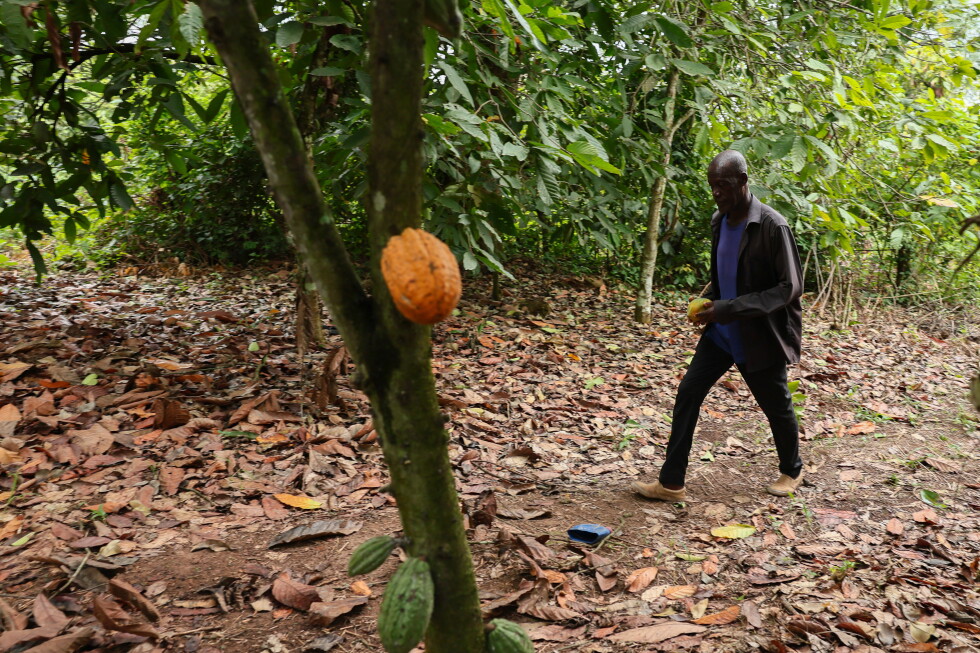
ACCRA, Ghana — A controversial piece of legislation that imposes harsh criminal penalties, including decades-long prison sentences, on cocoa farmers who convert their land to other uses without explicit government authorization has been approved by Ghana’s parliament, according to a full copy of the bill reviewed by the Associated Press.
Lawmakers passed the new regulatory measure on Thursday, but full details of the legislation were not released to the general public until late Sunday. Ghanaian President John Mahama has not yet given his final signature to enact the bill into law.
Under the proposed legislation, all existing and future cocoa farms across Ghana would be designated as protected national assets. Any repurposing of this land for non-cocoa agricultural or industrial activity without formal government approval would be classified as a criminal offense, a provision that has already drawn sharp pushback from farming advocacy groups and smallholder producers.
Moses Djan Asiedu, who serves both as an active cocoa farmer and the administrator of the Ghana Cooperative Cocoa Farmers and Marketing Association Limited, called the draft law unfair in its current form. Asiedu explained that the vast majority of Ghanaian cocoa producers invest their own private capital to purchase land, clear vegetation, and maintain cocoa plantations for years before they begin turning a profit, all while receiving minimal financial or infrastructural support from the national government.
“If cocoa is recognized as a critical national asset, then the government has a responsibility to support farmers to cover their core production costs,” Asiedu told reporters.
The harshest penalties outlined in the bill are reserved for the conversion of cocoa land to illegal gold mining, a widespread practice that has drawn growing government concern in recent years. Farmers convicted of converting cocoa farms to unauthorized mining operations would face prison sentences ranging from 10 to 20 years, plus substantial fines levied per cocoa tree destroyed in the conversion process.
Cocoa production is the backbone of the West African regional economy, supporting hundreds of thousands of smallholder livelihoods across Ghana and neighboring Ivory Coast. For Ivory Coast, the world’s top cocoa producer, cocoa bean exports account for roughly 40% of the country’s total annual export revenue. In Ghana, the second-largest global producer of cocoa, cocoa exports contribute nearly 15% of the nation’s total export earnings.
To shield smallholder producers from volatile global commodity pricing, Ghanaian government regulators set a fixed purchase price for cocoa beans at the start of every planting season. The vast majority of beans are sold through government-licensed buying agents to insulate producers from sudden price shifts in international futures markets.
This year, however, global cocoa markets have seen unprecedented volatility. After a major surge in cocoa futures prices that pushed contract values above $12,000 per metric ton in 2024 — the highest level recorded in decades — the market corrected sharply, crashing to roughly $4,000 per ton as new supply growth outpaced lagging global demand.