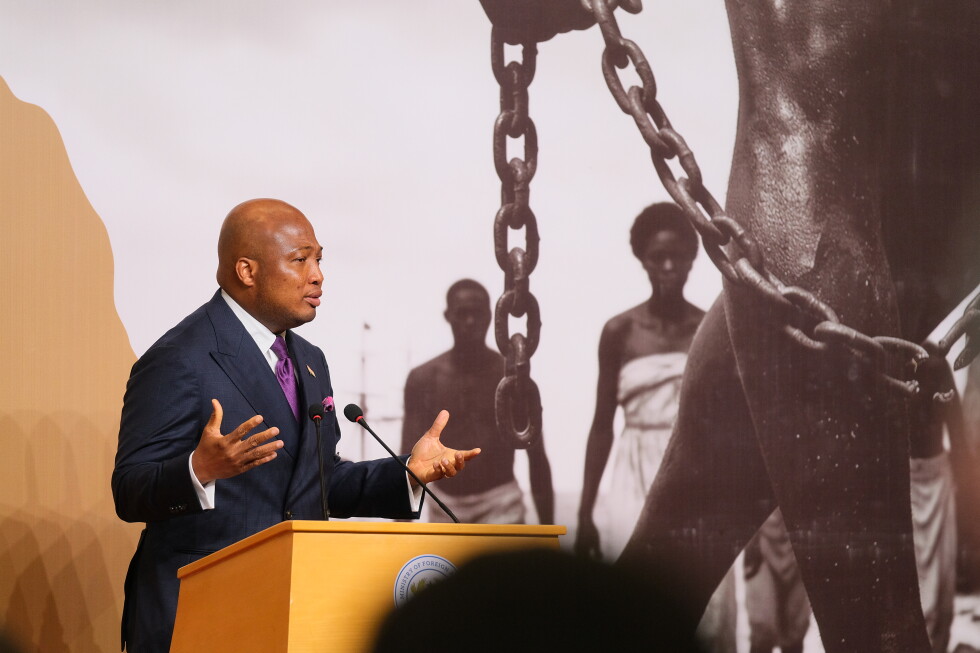
ACCRA, Ghana – In a pivotal gathering held in Ghana’s capital on Friday, leaders from across Africa and the Caribbean have amplified calls for formal apologies and reparatory justice from countries that orchestrated and profited from the transatlantic trafficking of enslaved African people. The summit, branded the “Next Steps” conference, comes three months after the United Nations approved a historic non-binding resolution that formally categorized the centuries-long Atlantic slave trade as “the gravest crime against humanity.”
The final declaration issued at the conference lays out a clear demand: all nations that participated in the systematic enslavement and forced displacement of African people must issue “full, formal and unconditional apologies” as the fundamental first step toward advancing reconciliation, rebuilding broken trust, and delivering the reparatory justice that descendant communities have long demanded. While the UN resolution adopted in March carries no legal enforcement power, global activists and participating leaders note it carries unprecedented moral weight that shifts the global conversation on historical harm.
Conference organizers emphasize that the Accra gathering is not just symbolic: its core goal is to move the global reparations debate beyond formal recognition of historical atrocities toward actionable, concrete policy measures. Among the key priorities under discussion is pushing to formalize compensation requirements under frameworks of international law.
Historical records confirm that between the 16th and 19th centuries, an estimated 12 million African people were violently abducted from their homelands by European traders, then trafficked across the Atlantic to be forced into chattel slavery on colonial plantations. The forced labor of enslaved people generated enormous, enduring wealth for European and North American powers, a progress built entirely on the systemic violence, displacement and death of millions.
Ghanaian President John Dramani Mahama opened the summit by noting that the UN resolution has opened an unprecedented new window for constructive global dialogue on reparations. He stressed that the intergenerational harm of centuries of slavery continues to shape structural inequalities across Africa, the Caribbean, and the global African diaspora to this day.
Addressing delegates representing more than 80 nations in attendance, Mahama stated: “We’re here because recognition creates responsibility, and because the enduring consequences of this history continue to demand thoughtful, coordinated, and sustained international engagement.”
This summit builds on efforts launched at a 2023 reparations gathering also hosted in Ghana, where attendees first proposed the creation of a dedicated Global Reparation Fund, though key operational details for the fund have yet to be finalized. Global opinions on reparations remain deeply divided, particularly among nations that would be expected to contribute to compensation efforts. In the United States, for example, public opinion leans heavily against reparations for descendants of enslaved people: a 2021 Pew Research Center survey found that only 30% of U.S. adults support any form of compensation such as cash payments or land grants.
Movement activists have outlined a broad vision for reparations that extends beyond direct cash payments to individual descendants. Many leaders call for targeted developmental aid to African and Caribbean nations impacted by the slave trade, as well as the return of cultural artifacts and natural resources stolen during the colonial era that followed the formal end of the slave trade.