Four-time World Cup winners Germany enter the 2026 FIFA World Cup with a heavy shadow hanging over their campaign: back-to-back humiliating group-stage exits in 2018 and 2022 have left the national soccer program desperate to reclaim its once-unquestioned status as a global powerhouse. Since its 2022 Qatar exit, which marked a new low for German soccer, the team has undergone a major reset. Former head coach Hansi Flick clung to his role for six additional matches after the tournament, but three consecutive defeats ultimately forced his departure, clearing the way for a fresh start.
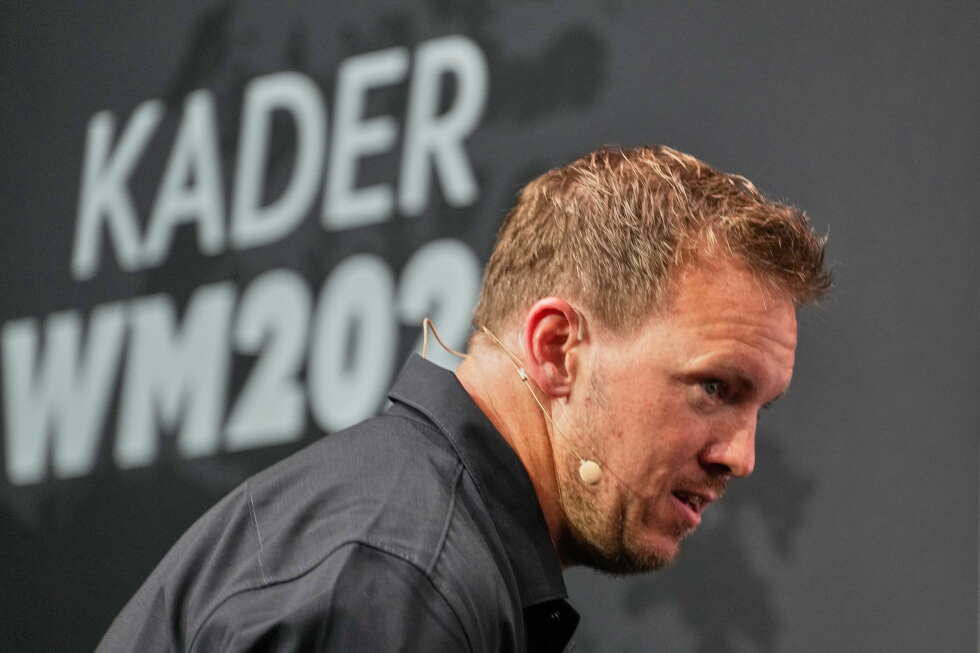
Enter Julian Nagelsmann, the young, ambitious tactician who took the reins ahead of the 2024 UEFA European Championship, where Germany served as host. Building around a core of dynamic, emerging young talent, Nagelsmann’s rebuild showed early promise: the side bowed out to eventual tournament champions Spain in the quarterfinals, a result the coach said was a narrow defeat, leaving him bullish about Germany’s chances to claim the World Cup title in 2026. That confidence, however, has been paired with a surprising late roster choice that hints at underlying nerves heading into the tournament.
In a last-minute call that upended earlier plans, Nagelsmann has recalled 40-year-old veteran goalkeeper Manuel Neuer from two years of international retirement, ending widespread expectation that Hoffenheim’s Oliver Baumann would fill the starting number one role after solid performances in qualifying. The decision casts clear doubt on Baumann’s readiness for the biggest stage, but Nagelsmann argues that Neuer’s unparalleled experience — 124 national team caps and a winner’s medal from the 2014 World Cup, where he stood as a key member of Germany’s last title-winning squad — makes the calculated risk worth taking. Neuer is set to become the only surviving member of that 2014 champion squad to feature in 2026, and his inclusion will mark his fifth World Cup appearance.
Nagelsmann acknowledged that the recall is a significant blow to Baumann, a consistent team player who is not expected to publicly criticize the call, but pushed back against suggestions the move signals a goalkeeper crisis for Germany. “Everyone knows what kind of aura he possesses and the quality he brings to a team,” Nagelsmann said. “We don’t have a goalkeeper problem.” A notable quirk of the selection: Neuer is just over two years older than his 38-year-old head coach, who is making his first appearance at a World Cup as a manager. According to German football magazine Kicker, Neuer’s addition pushes the squad’s average age to 27.98, the oldest German World Cup squad since Rudi Völler’s 2002 roster. Bayern Munich teammate Joshua Kimmich has been named captain of the 2026 side.
The biggest question hanging over Neuer’s inclusion remains fitness: the veteran has a long history of recurring injuries, and most recently missed Bayern’s German Cup final against Stuttgart with a calf injury. For Germany, the stakes of another early exit could not be higher. The team’s past two World Cup campaigns both crumbled after opening defeats to Mexico (2018) and Japan (2022), a pattern no one in the camp is willing to repeat. Germany kicks off its Group E campaign in Houston on June 14 against tournament newcomer Curaçao, a side that is not expected to pull off an upset. After the opener, Germany will face stiffer tests against Ivory Coast and Ecuador, even if the expanded 48-team World Cup format — which advances 32 teams to the knockout stage — gives the side far more margin for error than in past tournaments.
While Germany cruised through qualifying, the side has still struggled to match top European heavyweights including France, Portugal and Spain, highlighting gaps that need addressing ahead of the tournament. Defensive solidity is Nagelsmann’s biggest area of concern: the team conceded four goals across two friendly wins in March, edging Switzerland 4-3 and shutting out Ghana 1-0. Jonathan Tah and Nico Schlotterbeck have anchored the central defense in recent outings, with Kimmich — a starting midfielder for his club Bayern Munich — shifting to right back, and either David Raum or Nathaniel Brown filling the left back spot.
A late injury to experienced winger Serge Gnabry is a blow to the attacking unit, but Nagelsmann has turned down calls to add 19-year-old Cologne prospect Said El Mala to the squad, pointing to elite young attacking talent in Bayern’s Jamal Musiala and Liverpool’s Florian Wirtz as more than enough to cover the gap. The youngest member of the squad, 18-year-old Bayern prospect Lennart Karl, rounds out the attacking options as a surprise wild card selection, having recovered from a hamstring injury in time to earn his spot on the roster. For a team still chasing redemption after two decades without a World Cup title and two humiliating early exits, all eyes will be on whether Neuer’s veteran leadership and a new generation of young talent can finally lift Germany back to the top of global soccer.