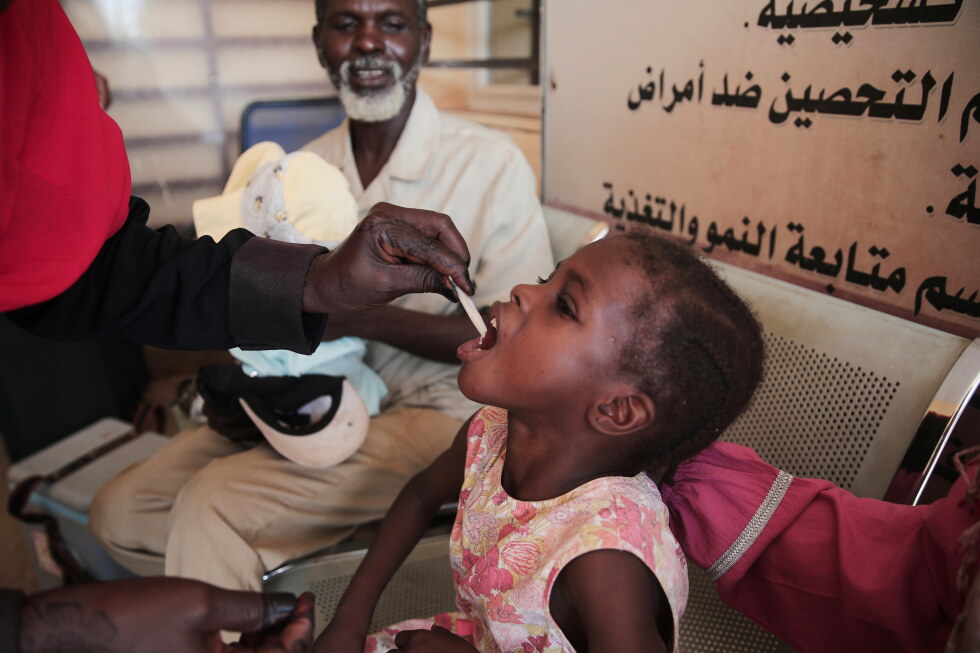
CAIRO – A devastating new wave of global aid cuts is set to shut down 36 additional health facilities across Sudan this year, cutting off life-saving medical care for more than 470,000 vulnerable people and pushing an already collapsed humanitarian system to the breaking point, international aid organizations confirmed Tuesday. This latest development compounds three years of unrelenting crisis that has torn Sudan apart since full-scale civil war erupted in 2023.
Sudan’s once-functional public health network, which boasted 6,500 primary care facilities and 300 state-run hospitals before the conflict, has suffered catastrophic damage since fighting broke out. By September 2024, World Health Organization data shows that between 70% and 80% of health facilities in the worst-affected regions of the country are already permanently shuttered or barely operating with minimal resources.
The conflict that triggered this collapse began in April 2023, when long-simmering tensions between Sudan’s regular national army and the paramilitary Rapid Support Forces (RSF) boiled over into widespread, cross-country combat. Three years on, the war has killed no fewer than 59,000 people, displaced 13 million more from their homes, and pushed large swathes of the population into catastrophic famine conditions.
As funding dries up, more international aid groups are being forced to scale back or withdraw entirely, leaving clinics without access to essential pharmaceuticals and basic operating budgets. For Sudanese patients, this means enduring expensive, dangerous long-distance journeys to access even the most basic medical care, representatives from Doctors Without Borders (MSF) explained.
Mesfin Teklu Tessema, senior technical health director for the International Rescue Committee (IRC), emphasized the irreversible damage these cuts are inflicting on what little remains of Sudan’s health infrastructure. “These cuts are stripping away what little capacity remains, closing facilities, sending health workers home, and cutting off supply lines for medicines and nutrition treatment. The system is already stretched past its limit,” Tessema said.
Mohammed Mahdi, IRC’s director for East Sudan, told the Associated Press that all 36 facilities set for closure are currently supported by his organization. The shutdowns will cut off access to essential health and nutrition services for an estimated 473,700 people across the country. Mahdi added that a tiny handful of facilities may be able to stay open through the end of September using limited alternative funding, but no long-term solutions exist to keep them operating beyond that date.
According to MSF, the funding crisis began after the U.S. announced sweeping aid cuts last year, which led to the expiration of core grants for many humanitarian organizations operating in Sudan by June 2024. Multiple major European donors have also reduced their aid allocations to the country, leaving providers with no way to secure replacement funding to keep services running.
The scale of aid withdrawal is starkly visible in Um Rakuba, a vast displacement camp in eastern Sudan’s Gedaref State that hosts roughly 17,000 people forced from their homes by the war. In 2021, around 35 aid organizations operated in and around the camp; today, fewer than 10 remain. The MSF-supported hospital in the camp is now the only functional medical lifeline for camp residents and surrounding host communities, said Fabrizio Locuratolo, MSF’s humanitarian affairs manager.
Public health experts warn that collapsing access to care has already set the stage for large-scale disease outbreaks across Sudan. Ali Almohammed, MSF’s emergency health manager, confirmed that “serious disease outbreaks are already happening” in multiple regions. Measles has reached what Almohammed called “major outbreak level” in Darfur, with roughly 75% of infected patients being unvaccinated due to collapsed immunization programs. Sudan is also currently grappling with concurrent outbreaks of cholera and malaria, which are spreading rapidly in overcrowded displacement camps with no access to clean water or sanitation.
Multiple diplomatic efforts, including round after round of peace talks, have failed to end the conflict. Most recently, the United States has pushed the United Nations to impose new sanctions on both warring parties, in a bid to pressure army and RSF leaders to return to negotiations and end the catastrophic war.