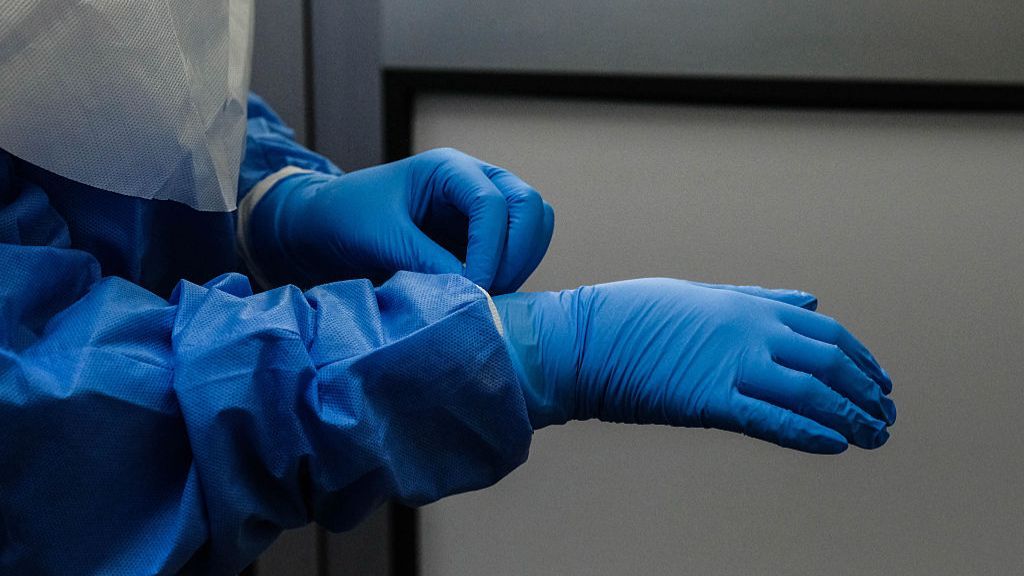
In a development that marks the first confirmed Ebola case on European soil, France has announced that a doctor returning from a humanitarian deployment in the Democratic Republic of the Congo (DRC) has tested positive for the deadly virus. The French Ministry of Health disclosed Wednesday that the infected medic was promptly isolated and admitted to a specialized treatment facility, where the patient currently remains in stable condition. The outbreak currently ravaging eastern DRC was formally declared by public health authorities last month, but epidemiologists have confirmed the virus had been quietly spreading in local communities for several weeks prior to the official announcement.
As of the latest updates, the outbreak has already claimed more than 260 lives across the central African nation, with over 1,000 confirmed total infections. While this is the first confirmed Ebola case detected in Europe, an American healthcare worker who tested positive in DRC was transported to Germany for care just last month. Cross-border spread has already reached neighboring Uganda, where the World Health Organization (WHO) has documented 20 confirmed infections and two recorded deaths.
Public health officials have moved quickly to reassure the general public that broad population risk remains minimal. French authorities emphasized the overall risk to French citizens is “very low”, a sentiment echoed by WHO Director-General Tedros Adhanom Ghebreyesus, who stated global risk remains low and there is no justification for widespread public panic. Contact tracing operations are currently active to identify and monitor all individuals who may have had close exposure to the infected French doctor.
Healthcare workers on the frontlines of the outbreak response face disproportionately high danger, as Ebola spreads through direct contact with infected bodily fluids. Last week, WHO data revealed 17 out of 75 healthcare workers who contracted the virus in DRC have died from their infections. A complicating factor in this outbreak is that it is driven by the Bundibugyo strain of Ebola, for which no widely approved vaccine currently exists.
In response to the imported case, France has activated a dedicated monitoring system to track all aid and humanitarian workers returning from DRC. Both the Africa Centres for Disease Control and Prevention (Africa CDC) and United States public health agencies have warned that the ongoing outbreak has the potential to become one of the largest Ebola events on record if containment efforts are not scaled up rapidly.
Confirmed cases in DRC are currently concentrated in three eastern provinces: Ituri, North Kivu, and South Kivu. Ituri remains the epicenter of transmission, accounting for more than 90 percent of all confirmed infections. Persistent armed conflict in the region has severely hampered outbreak response efforts, according to WHO. The M23 rebel group maintains control over large swathes of both North and South Kivu, making it difficult for response teams to access affected communities, conduct surveillance, and deliver care to infected patients.