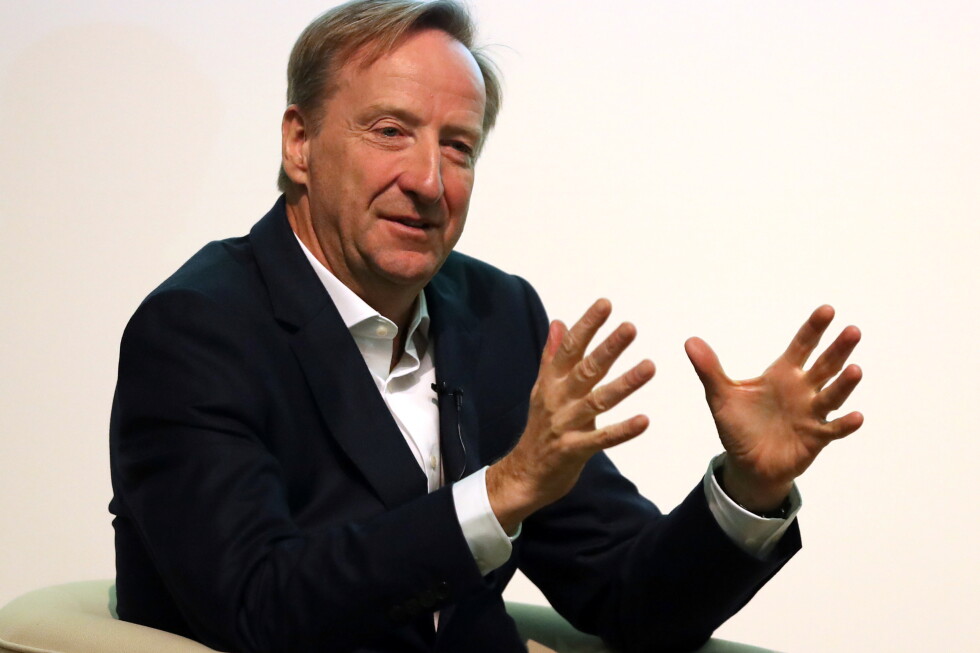
LONDON – Senior figures across Britain’s royal establishment and government have publicly honored Alex Younger, the former head of the United Kingdom’s foreign intelligence agency MI6, who passed away this week at 62 following a cancer diagnosis.
Younger led the Secret Intelligence Service, MI6’s official alternate name, from 2014 to 2020, and made history as one of the first holders of the agency’s top position—known by its traditional code name “C”—to be identified publicly when he took office. The UK government confirmed he died on Tuesday after a battle with cancer.
Nick Robinson, a prominent BBC broadcaster and personal friend of Younger, shared that after receiving his cancer diagnosis, the former spy chief jokingly named his tumor “Putin” after Russia’s president.
In a statement released Thursday, Prince William, heir to the British throne, recalled his 2019 work placement with Britain’s intelligence and security community, designed to help the future monarch build understanding of their critical national functions. The prince praised Younger as a paragon of the core values that define MI6: “integrity, courage, and an unwavering commitment to protecting this country and its people.”
Prime Minister Keir Starmer echoed those tributes, noting that Younger would be long remembered by current and former ministers, intelligence colleagues, loved ones, and friends for his profound dedication to British public service and national defense.
Blaise Metreweli, Younger’s successor as the current head of MI6, highlighted that her predecessor perfectly embodied the agency’s core values of integrity, courage, creativity, and respect. She emphasized that Younger left an enduring, unique legacy that strengthened not only British national security, but global stability as well.
A graduate of Scotland’s University of St Andrews, Younger began his public service career as a commissioned officer in the British Army before joining MI6 in 1991. He spent three decades with the espionage agency, with early career postings including a role in the Western Balkans during the 1990s Balkan conflicts. In a 2018 speech delivered at his alma mater, he described that posting as a period of late nights spent working through fragmented information over little-known local spirits, piecing together the warring factions’ strategic goals. He added that he took deep pride in knowing his work, alongside that of countless other intelligence and diplomatic officials, helped lay the groundwork for the eventual arrest and trial of war criminals responsible for the deaths and mass displacement of hundreds of thousands of people.
Younger also served in Afghanistan in the years following the 9/11 terrorist attacks, and led MI6’s counterterrorism division, where he oversaw intelligence planning and security support for the 2012 London Olympic Games.
In an interview with the BBC last year, Younger opened up about the dual nature of a career in secret intelligence. He admitted that working behind the scenes on operations hidden from public view brought a unique thrill, saying “it [was] a kick to be in this play that no one knows is even going on.” But he also acknowledged the profound isolation that comes with a covert career, noting the weight of keeping even basic details of your work hidden from friends and family.
Younger also reflected on the cultural impact of Britain’s most famous fictional spy, James Bond, arguing the iconic character has been a mixed blessing for the real MI6. In a 2016 speech, he noted that Bond had built an unrivaled global brand for MI6—even joking that as C, the real-life equivalent of Bond’s superior M, he had no trouble convincing anyone to accept a lunch invitation, and that foreign intelligence counterparts often envied the instant global recognition of the MI6 name. Still, he added with characteristic dry wit, if Bond applied to join the agency today, his reckless, rule-breaking lifestyle would not meet modern recruitment standards.