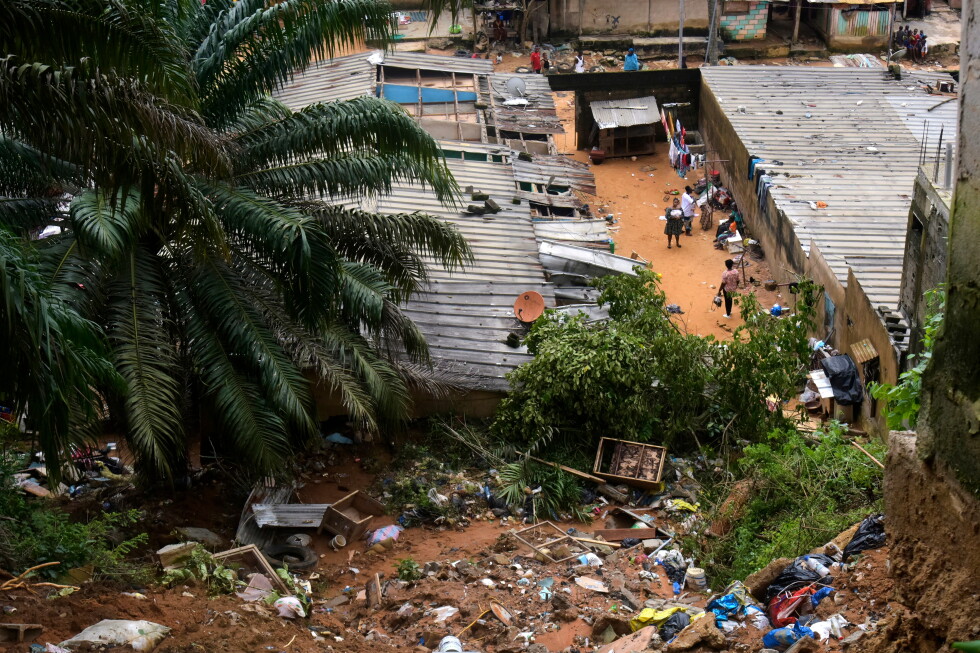
In a recent update from West Africa, severe seasonal flooding has left a devastating trail of death and destruction across Ivory Coast and neighboring Ghana, with official death tolls rising sharply amid ongoing recovery efforts. Speaking to reporters Wednesday following a national Cabinet meeting, Ivory Coast government spokesperson Amadou Coulibaly confirmed that this year’s flood disaster has already killed at least 59 people across the country. “The council of ministers deplores the particularly high death toll of 59 this year,” Coulibaly stated, though he declined to share a breakdown of fatalities from the latest round of intense flooding that hit the region earlier this week. Just three days before Coulibaly’s announcement, days of unrelenting torrential downpour triggered catastrophic floods and deadly landslides in both Abidjan, Ivory Coast’s capital, and Accra, Ghana’s capital, killing 24 people across both nations and leaving dozens more unaccounted for. According to Myss Belmonde Dogo, Ivory Coast’s Minister of National Cohesion, the worst-hit areas in the country are the Abidjan municipalities of Attécoubé and Yopougon, where the majority of the country’s recent flood deaths have been recorded. Across the border in Ghana, the scale of damage is equally severe. Entire residential and commercial buildings and major road arteries were left fully submerged in Accra on Monday, cutting off transportation and emergency access to multiple neighborhoods of the capital. The flooding also spread to the neighboring coastal city of Tema, compounding the crisis for local authorities and residents. In response to the escalating danger, Coulibaly has issued an urgent appeal to Ivory Coast residents to adhere to official public safety protocols and evacuate immediately from zones the government has marked as high-risk for flood-related disasters. This recurring flood crisis aligns with longstanding warnings from global climate bodies, including the World Meteorological Organization, which notes that deadly extreme weather events like seasonal flooding are increasingly common across much of Africa. Notably, the WMO emphasizes that the African continent contributes only a tiny fraction of global greenhouse gas emissions, yet ranks among the world’s most vulnerable regions to the accelerating impacts of climate change. Many climate researchers warn that this pattern of climate injustice will worsen as global average temperatures continue to rise, increasing the frequency and intensity of extreme rainfall events across West Africa’s coastal regions.