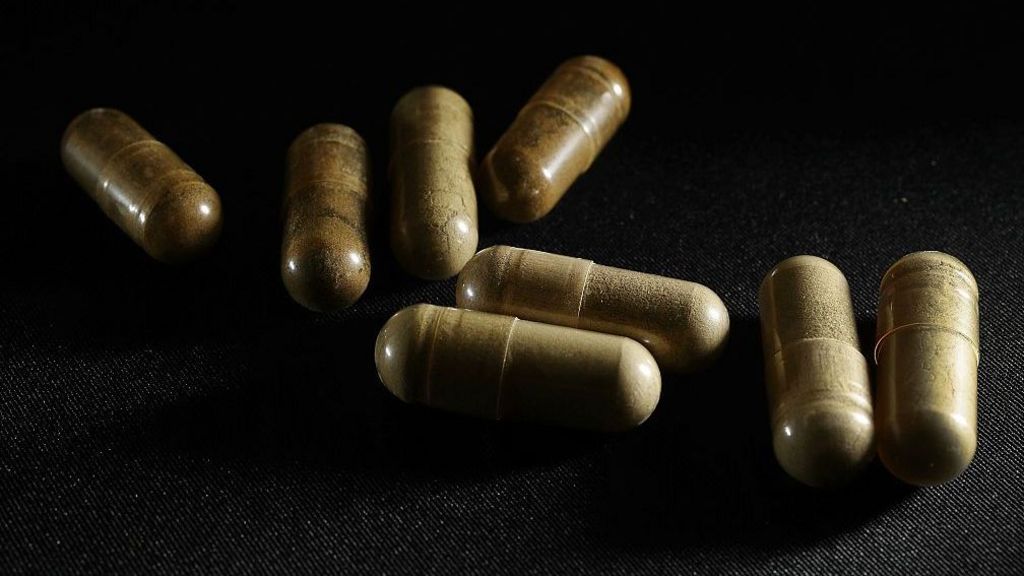
A devastating incident linked to an unregulated herbal substance has rocked the University of Mississippi community, leaving two students dead and leading to the arrest of a local smoke shop owner and his son. The case has reignited long-simmering national debate over the legal status and public health risks of kratom, a plant-based product often sold openly at convenience and smoke shops across the United States.
Federal prosecutors have filed criminal charges against 51-year-old Yahya Mohamed Mosleh and 18-year-old Islam Yahya Mosleh, the father and son duo who worked at a vape, tobacco and beer retail store in Oxford, Mississippi. The pair face charges of possession with intent to distribute controlled substances, connected to the two student deaths that occurred last September.
According to official court documents and statements from the U.S. Attorney’s Office for the Northern District of Mississippi, the tragedy unfolded on September 21. First, law enforcement responded to a report of an unresponsive student in their on-campus dormitory. First responders pronounced the student dead at the scene, with initial assessments pointing to a drug overdose as the likely cause of death. Investigators recovered open packaging of suspected kratom derivatives at the scene, with several tablets already removed and consumed.
Roughly 60 minutes after the first death was discovered, a second University of Mississippi student was found dead at an off-campus location. This victim also showed clear signs of an overdose, and identical suspected kratom derivative packaging was found near the body. Investigators traced the packaging back to the Moslehs’ local retail shop, leading law enforcement to execute immediate search warrants at the store. During the search, officers seized a large stock of suspected kratom derivatives classified as controlled substances under U.S. law, and took the father and son into custody shortly after.
While the official toxicology reports confirming the exact cause of the two students’ deaths have not yet been finalized, public health and law enforcement officials have already issued urgent public warnings about the dangers of consuming unregulated kratom and its synthetic derivatives. Kratom, a tropical herb that produces opioid-like effects on the human body, has grown steadily in popularity across the U.S. over the past 10 years. It is most commonly sold over the counter in pill or liquid form, often marketed as a natural pain reliever or energy booster at gas stations, smoke shops and online retailers.
The product has been the center of regulatory controversy for years. Anti-kratom public health advocates have long pushed for nationwide bans, pointing to a growing body of evidence linking its use to overdose deaths, addiction and organ damage. Several countries, including the United Kingdom, have already classified kratom as an illegal controlled substance. However, in the U.S., the substance is not regulated by the Food and Drug Administration, and remains legal for sale in a number of states — including Mississippi, where the recent deaths occurred.
Crucially, prosecutors emphasize that the products linked to the student deaths are not natural kratom leaf. The derivatives involved, identified as MGPI, MGM-15 and MGM-16, are classified as Schedule I controlled substances under federal U.S. law. According to prosecutors, these lab-modified derivatives are far more potent than both natural kratom leaves and even morphine, carrying a drastically higher risk of fatal overdose. The tragedy has already sparked new calls for stricter state and federal regulation of kratom products and their derivatives, as public health officials warn consumers of the unregulated risks lurking in products sold openly across much of the country.