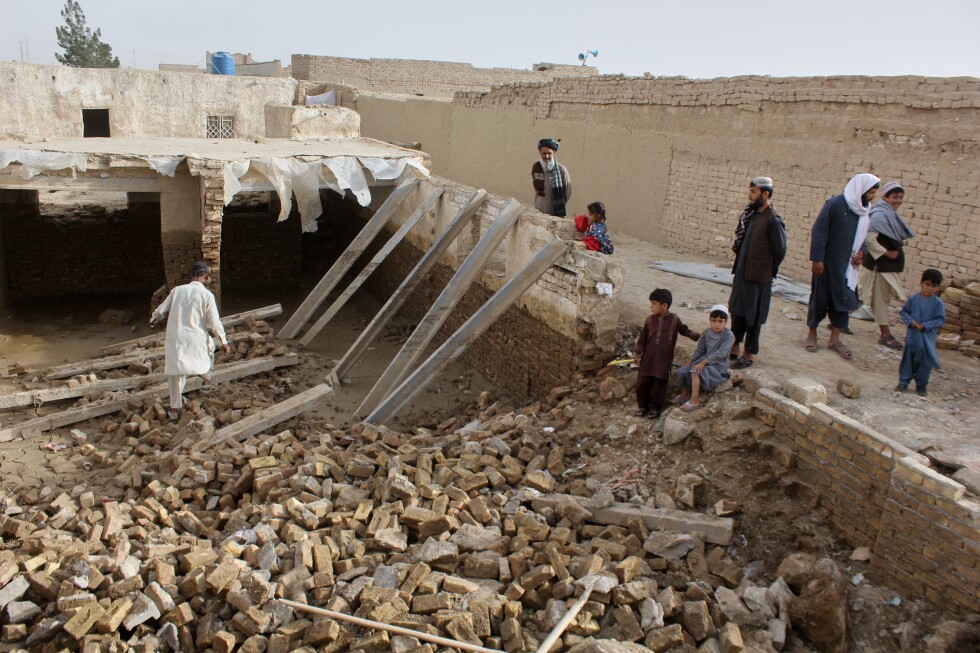
KABUL, Afghanistan — Catastrophic weather systems have unleashed devastating floods and landslides across multiple regions of Afghanistan, resulting in significant human casualties and infrastructure damage. Official reports confirm at least 17 fatalities and 26 injuries within a 24-hour period, with authorities warning that these numbers may rise as assessment teams reach remote affected areas.
According to Yousuf Hammad, spokesman for Afghanistan’s National Disaster Management Authority, the extreme weather events have impacted thirteen of the nation’s thirty-four provinces, with western, central, and northwestern regions bearing the brunt of the destruction. The calamity has completely or partially demolished 147 residential structures while rendering approximately 80 kilometers of roadway impassable.
The environmental catastrophe has extended beyond immediate infrastructure damage, devastating agricultural lands, irrigation networks, and local commercial establishments. Preliminary estimates indicate approximately 530 families have been directly affected by the severe weather conditions.
Meteorological projections suggest continuing atmospheric instability, with heavy rainfall expected to move into eastern and central provinces. Disaster management officials have issued urgent advisories for residents to avoid riverbanks and flood-prone zones while placing emergency response teams on high alert.
This recent tragedy continues a pattern of extreme weather events that have plagued Afghanistan throughout 2024. Earlier spring floods claimed over 300 lives, highlighting the nation’s particular vulnerability to climate-related disasters. Experts attribute the escalating frequency and severity of these events to converging factors including decades of conflict, inadequate infrastructure, economic challenges, deforestation, and accelerating climate change impacts.
Remote communities face disproportionate risks due to construction methods utilizing mud-based materials that provide insufficient protection against sudden deluges or substantial snowfall. The compounding effects of environmental vulnerability and socioeconomic challenges create a complex humanitarian crisis requiring coordinated national and international response efforts.