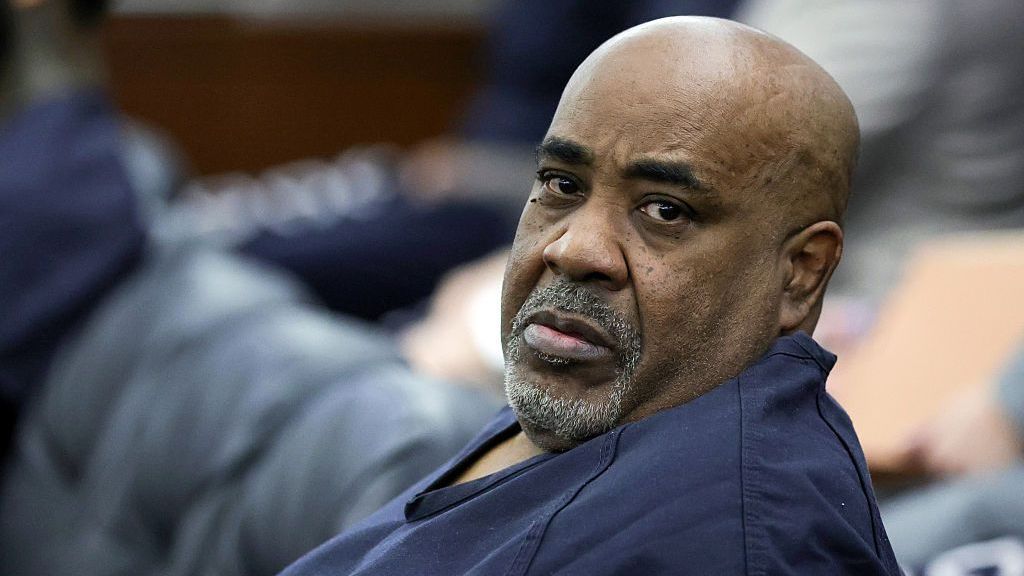
Nearly 30 years after one of the most high-profile unsolved killings in modern American music history, a long-running cold case has finally reached a landmark sentencing phase. Duane “Keffe D” Davis, a 63-year-old former leader of the South Side Compton Crips street gang, has received a 40-year prison term for plotting the 1996 drive-by shooting death of global rap superstar Tupac Shakur in Las Vegas. A jury found Davis guilty of murder with a deadly weapon back in September, and Davis has already announced plans to challenge the conviction through an appeal. This conviction marks the first time any defendant has been found guilty in the case that has captivated hip-hop fans and true crime observers around the world for almost three decades. Prosecutors built their case around the argument that while Davis never pulled the trigger himself, he acted as the mastermind behind the fatal attack. In a stunning revelation, Davis openly admitted in his own memoir that he supplied the firearm used to kill Shakur. The core evidence used to convict Davis came directly from his own repeated public statements about his proximity to the shooting. In a 2008 secret police interview tied to the investigation into the killing of fellow rap legend Notorious B.I.G. — who was murdered just six months after Shakur — Davis shared details of his role in the Shakur killing in exchange for immunity from prosecution. He expanded on these claims much further in his 2019 tell-all memoir *Compton Street Legend*, which generated widespread media attention and led to a string of public interviews. However, Davis’ choice to go public with his account voided the immunity agreement he had struck with authorities, clearing the way for prosecutors to file criminal charges and allowing his 2008 police testimony to be entered as evidence against him at trial. According to prosecutors, Davis ordered the 7 September 1996 shooting and provided the gun to his nephew, Orlando Anderson, who fired the fatal shots from a white Cadillac where Davis was also riding. Anderson always denied any involvement in Shakur’s killing and was killed in an unrelated gang shooting in 1998, so he never faced trial in the case. Davis’ defense team pushed back hard against the prosecution’s narrative throughout the trial, arguing that Davis’ public comments were nothing more than exaggerated bravado designed to boost book sales and profit off his connection to one of the most famous crimes in pop culture. At the time of his death, Shakur was just 25 years old and at the peak of his career, widely regarded as one of the most influential and impactful voices in the history of hip-hop. He has sold more than 75 million albums worldwide, and his work continues to shape rap and popular culture decades after his passing. For 30 years, the unsolved mystery of his killing spawned countless conspiracy theories and remained one of the most high-profile cold cases in American law enforcement, until Davis’ conviction last year brought the first legal resolution to the case.
Ex-gang boss sentenced to 40 years for orchestrating Tupac Shakur’s murder