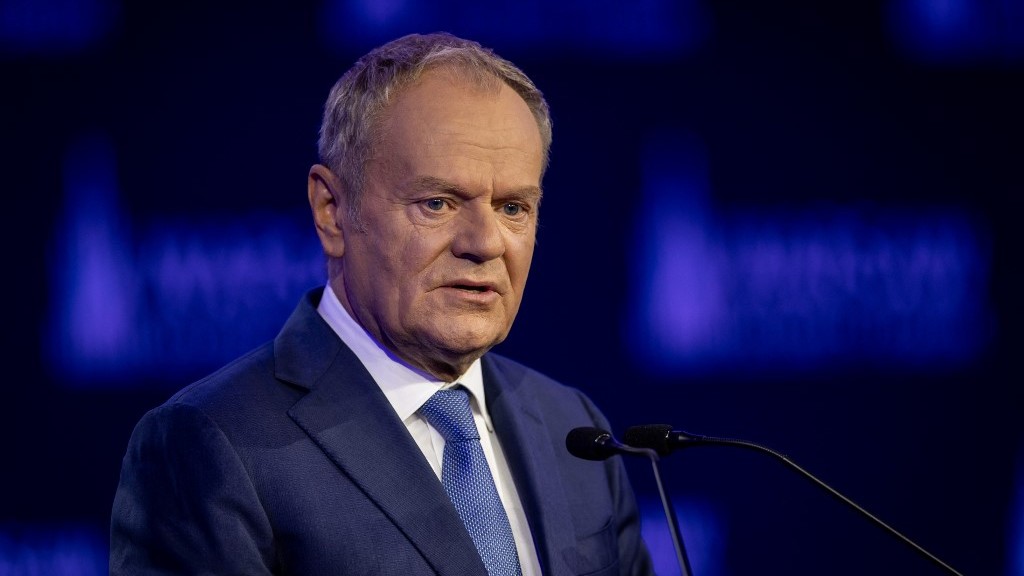
In a bombshell televised address delivered Monday, Poland’s current Prime Minister Donald Tusk has publicly confirmed what investigators have uncovered over two years of parliamentary probe: the former nationalist-conservative Law and Justice (PiS) administration abused Israeli-made Pegasus spyware to systematically target opposition politicians, critical members of the judiciary, and hundreds of other Polish citizens between 2017 and 2023.
According to Tusk’s revelations, the PiS government paid a total of $7.65 million to acquire the sophisticated surveillance tool from Israel-based NSO Group, the developer of Pegasus. The spyware was first procured in late 2017, and was actively deployed for political purposes throughout its six years of use, including interference in the 2019 Polish parliamentary election. Media accounts of the investigation add that beyond political opponents and legal critics, dozens of figures within the PiS’s own ranks were also placed under illegal surveillance, bringing the total number of targeted individuals into the hundreds.
Most alarmingly, Tusk emphasized that the full dataset collected by Pegasus on Polish citizens remained accessible to NSO Group, and was never fully controlled by Polish state authorities. “Imagine that the people responsible for justice and national security [in Poland] handed over thousands, tens of thousands, of sensitive details about Polish citizens to a foreign country, Israel, without having any control over it,” Tusk stated during the address. He also confirmed that multiple key Polish state institutions — including the Internal Security Agency, foreign intelligence services, the Central Anti-Corruption Bureau, and the justice ministry — are all entangled in the growing surveillance scandal.
This investigation was launched immediately after Tusk’s pro-European coalition took power in late 2023, following years of public allegations that the PiS administration had misused public funds to purchase Pegasus for targeting political rivals, critical journalists, and dissenting legal professionals.
Senior figures from the former administration, including ex-Justice Minister Zbigniew Ziobro, have pushed back against the findings, denying any illegal activity. They argue the spyware purchase was a critical national security measure, and all surveillance operations were carried out with proper approval from Polish judges. However, the head of the parliamentary inquiry refuted that claim Monday, noting that the judges who authorized surveillance warrants did not have full information about the broad, invasive capabilities of Pegasus technology.
Pegasus, one of the world’s most notorious cyber-surveillance tools, is capable of covertly infiltrating smartphones, including WhatsApp accounts, to steal private messages, photos, call logs, location data, and other sensitive personal information. NSO Group, its developer, has been at the center of global controversy for years over the misuse of its technology by government clients to target political opponents and activists. The company has been under U.S. ownership since 2024. In 2025, it lost a federal civil lawsuit filed by Meta, the parent company of WhatsApp, over NSO’s illegal targeting of the platform’s users. A court initially ordered NSO to pay $167 million in damages, later reduced to $4 million, and issued a permanent ban barring the firm from targeting any WhatsApp users globally.
The Biden administration previously blacklisted NSO Group, prohibiting the company from conducting any business with U.S. companies unless it receives explicit special approval, after determining that the firm’s activities posed a threat to U.S. foreign policy and national security. Under the second Trump administration that took office in 2025, however, reports indicate NSO Group is actively lobbying to have the blacklist designation removed. Last year, the firm appointed David Friedman, who served as U.S. Ambassador to Israel during Trump’s first presidential term from 2017 to 2021, as its new executive chair, a move widely seen as part of its efforts to improve its standing with the current U.S. administration.