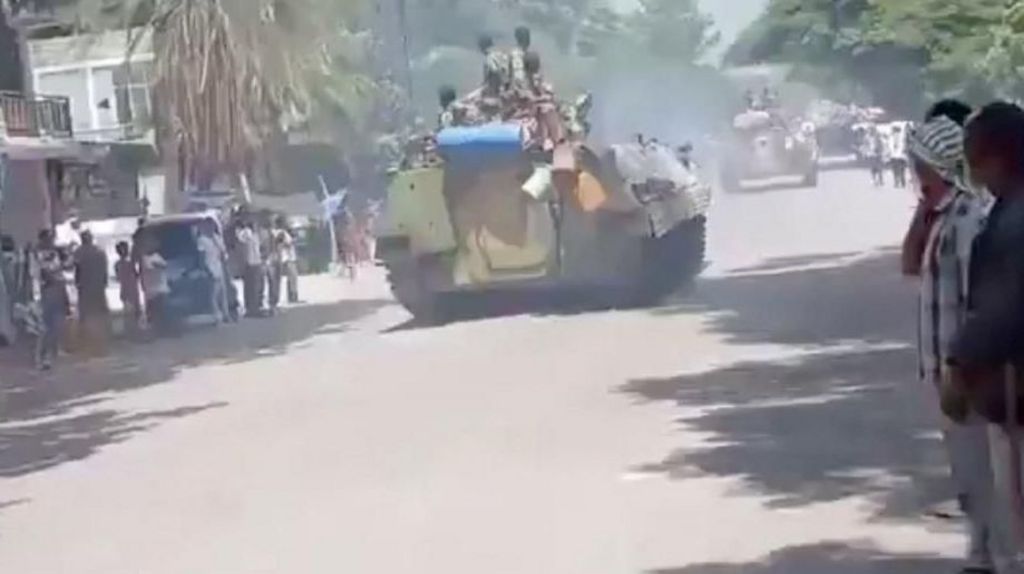
A fresh wave of devastating conflict has swept through northern Ethiopia, leaving over 50 civilians dead and pushing neighboring Ethiopia and Eritrea into a full diplomatic breakdown that has sparked urgent international warnings of a broader regional crisis. Just days after heavy clashes reignited between Ethiopian federal forces and a coalition of armed opposition groups led by the Tigray People’s Liberation Front (TPLF), tensions between Addis Ababa and Asmara boiled over into a historic rupture of relations on Thursday.
Ethiopia opened the diplomatic confrontation with two sweeping moves: announcing it would permanently close its embassy in Eritrea’s capital Asmara, and ordering 10 Eritrean diplomats to leave the country within 48 hours. The Ethiopian government accused the expelled diplomats of carrying out activities that directly threatened its national security. Within hours, Eritrea’s foreign ministry announced it had no choice but to reciprocate, cutting all diplomatic ties with Ethiopia in response to what it called Addis Ababa’s “astounding” decision, while issuing a stark warning of unforeseen negative consequences stemming from the split.
The abrupt diplomatic breakdown came just hours after multiple powerful explosions shook central Addis Ababa overnight Wednesday, with blasts reported near key government sites including Ethiopia’s military headquarters and intelligence service headquarters. Local residents confirmed the blasts were strong enough to set off car alarms in nearby neighborhoods. A source connected to the opposition armed alliance told Reuters the coalition carried out drone attacks on the capital, but Ethiopian authorities have yet to confirm the cause of the explosions, and no official casualty or damage reports have been released. In a preemptive move just hours before the blasts, Ethiopia’s National Intelligence and Security Service had already imposed an indefinite ban on all civilian and unauthorized drone flights across Addis Ababa and its surrounding areas, citing the need to protect senior government officials, critical national infrastructure, and public gatherings.
The escalation comes after months of steadily worsening relations between the two neighboring countries, with the Ethiopian government repeatedly accusing Eritrea of providing military and logistical support to the newly formed opposition alliance. Last month, the TPLF joined forces with six other armed groups, including the Amhara-region Fano militia, to create a united coalition with the explicit goal of removing Prime Minister Abiy Ahmed’s sitting government from power. A pro-government militia commander fighting on the frontlines in Tigray told the BBC that Eritrean troops have directly participated in frontline combat alongside the opposition, though the BBC has not been able to independently verify this claim. Eritrean Information Minister Yemane Gebremeskel forcefully rejected all accusations in a pre-severance interview with the BBC, arguing that Ethiopia’s ruling Prosperity Party was scapegoating neighboring countries to distract from internal unrest and policy failures.
Ironically, the two nations were close military allies just a few years ago during the 2020–2022 Tigray war, when Eritrean troops fought alongside Ethiopian federal forces against the TPLF. That two-year conflict killed an estimated 600,000 people, according to African Union mediation figures, before a 2022 peace deal was supposed to end the bloodshed. The current outbreak of fighting is the most severe escalation of violence since that agreement was signed.
Today’s tensions are rooted in long-running geopolitical disputes as well. Since Eritrea gained independence in 1993, Ethiopia has remained a landlocked nation without direct access to the Red Sea coastline. Prime Minister Abiy Ahmed has repeatedly framed direct Red Sea access as a non-negotiable priority for Ethiopia’s long-term economic growth and national security, a stance that has left Eritrea deeply suspicious that Abiy’s government harbors territorial ambitions over Eritrea’s Red Sea ports. Asmara has repeatedly accused Ethiopia of adopting an increasingly hostile stance toward Eritrea over the Red Sea access issue.
On the ground, the ongoing conflict has already inflicted severe civilian harm and mass displacement. A doctor in the northern town of Alamata told the BBC earlier this week that at least 52 civilians had been killed in just three days of intense fighting there. Ethiopian federal forces and their allied militias have reported making territorial gains in southern Tigray, and are currently advancing toward Mekelle, Tigray’s regional capital. Clashes have also spread to the neighboring Afar region, which sits along Ethiopia’s critical transport corridor connecting the interior to the Port of Djibouti, Ethiopia’s main maritime trade gateway. Tens of thousands of residents have already fled their homes in Afar to escape the violence.
Both sides have traded blame for restarting hostilities. Tigrayan regional authorities say their forces launched defensive operations in response to a pre-planned federal military offensive and repeated drone strikes on Tigrayan targets. For its part, the Ethiopian federal government says the latest conflict began when TPLF fighters seized control of federally administered airports within Tigray and launched offensive attacks against government positions. Independent verification of claims from both sides remains extremely limited, as international journalists are barred from most conflict zones and mobile and internet communications across large swathes of Tigray remain disrupted.
The escalating crisis has drawn immediate condemnation and urgent calls for de-escalation from international bodies. The African Union has called on Ethiopia, Eritrea, and Egypt to exercise maximum restraint and resolve all outstanding differences through negotiated diplomatic channels, warning that further escalation could destabilize the entire Horn of Africa region. The United Nations has also raised sharp alarms over the humanitarian fallout of the renewed conflict. UN spokesperson Stéphane Dujarric said that ongoing drone activity, air strikes, and ground fighting are putting civilian lives, critical infrastructure, and life-saving aid operations at severe risk, while widespread insecurity and road closures have blocked aid groups from reaching vulnerable populations. The UN has issued an urgent call for all warring parties to guarantee full, safe, and unhindered access for humanitarian organizations to deliver assistance to all people in need across northern Ethiopia.