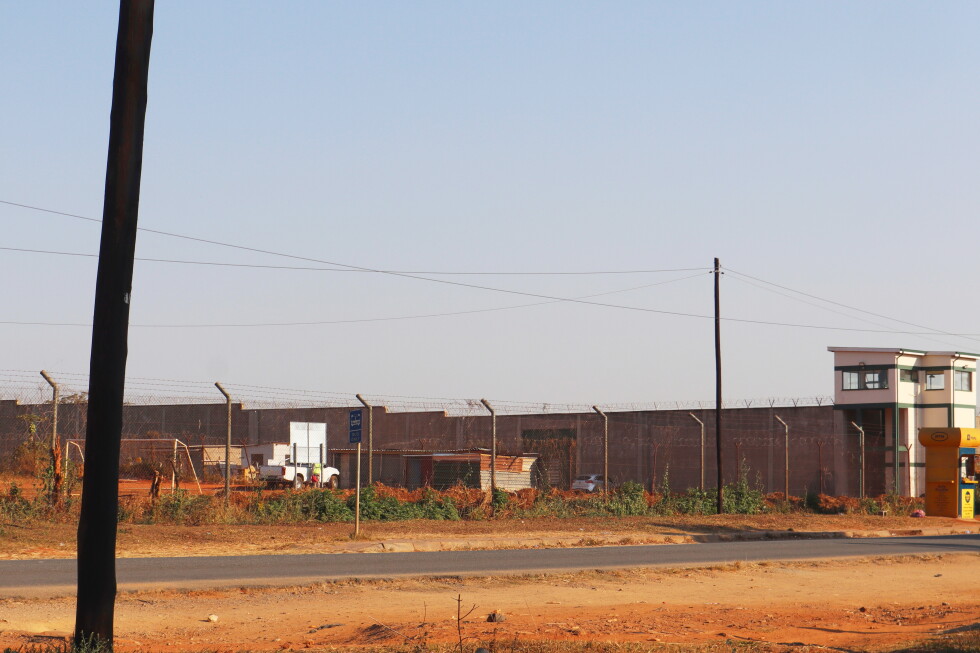
JOHANNESBURG – Authorities in the southern African kingdom of Eswatini have confirmed that two additional Latin American migrants deported from the United States have entered the country, marking the fifth group of deportees transferred under a controversial bilateral agreement that has sparked fierce condemnation from human rights organizations across the globe. In a statement released late Thursday, Eswatini’s government confirmed the pair are classified as “third-party nationals”, meaning they are not citizens of Eswatini, and their arrival followed prearranged consultations and terms set by Washington and Mbabane. This latest arrival comes after the first group of deportees was sent to the landlocked nation back in July 2025. Several earlier deportees transferred to Eswatini have already been moved onward to their home countries: a Jamaican national was repatriated to Jamaica in September, while a Cambodian man who spent five months detained in a maximum-security Eswatini prison was released for repatriation in March. Eswatini officials have not released any identifying information about the two most recent arrivals, nor have they disclosed their full nationalities (beyond confirming they are from Latin America) or how long they will be required to stay in the country. According to immigration advocates, this latest transfer is part of a broader, often underreported network of secret agreements struck by the Trump administration as part of its aggressive nationwide immigration crackdown. Through these deals, the U.S. has deported thousands of migrants to more than 20 countries that are not the migrants’ countries of origin. Around 11 of these third-country deportation agreements are with sub-Saharan African nations, including Rwanda, Ghana, Cameroon, the Democratic Republic of Congo, Uganda, Sierra Leone, and the Central African Republic. Immigration legal experts warn that the practice functions as a deliberate legal loophole, allowing the U.S. to indirectly send asylum seekers back to the high-risk countries they originally fled, circumventing international refugee protection laws. The Trump administration’s selection of partner nations for the scheme has also drawn sharp scrutiny, as many of the African countries selected, Eswatini included, are widely labeled as repressive regimes with documented poor human rights records. Eswatini is ruled by King Mswati III, who has faced persistent international accusations of violently cracking down on domestic pro-democracy opposition movements and civil society organizing. The program has expanded rapidly in recent months: Liberia has emerged as a key hub for the Trump administration’s third-country deportation strategy after agreeing to accept up to 1,200 migrants, one of the largest caps for any partner nation, and welcomed its first cohort of deportees earlier this month. In July 2025, Jamaica’s government confirmed that two of the three Jamaican citizens previously deported to Eswatini had formally rejected offers to be repatriated to their Caribbean home. Locally and regionally, pro-democracy groups and civil rights organizations have mounted sustained opposition to Eswatini’s secret deal with the U.S., organizing cross-border protests, filing legal challenges to the agreement in domestic and regional courts, and building widespread public opposition to the policy. The controversial scheme continues to draw international condemnation for its disregard for migrant rights and its reliance on partnerships with repressive governments.
Eswatini receives 2 more US deportees under a controversial third-country deal