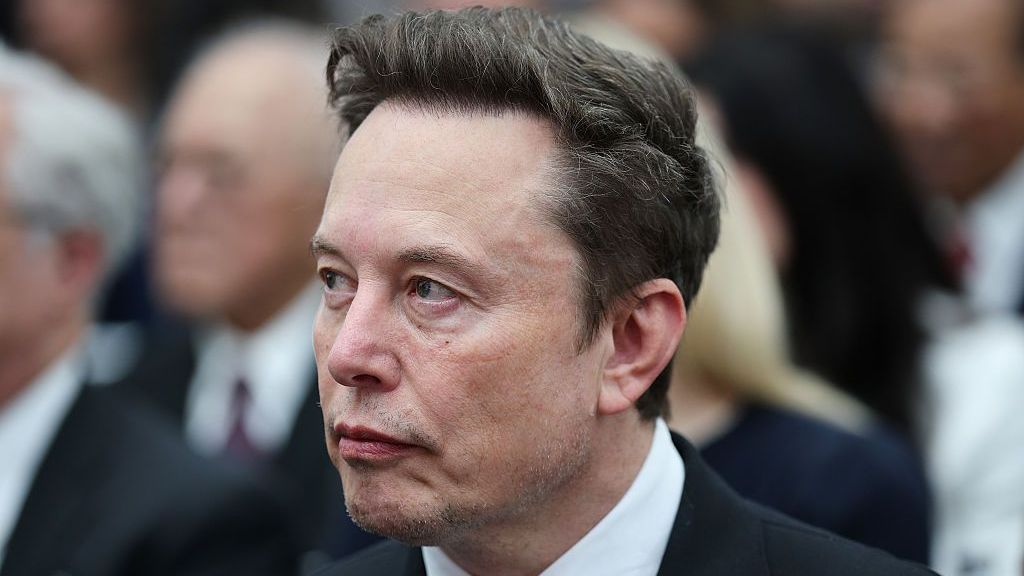
The 2026 U.S. midterm elections delivered a stunning, headline-grabbing upset in Texas, where Democratic candidate James Talarico secured a decisive win over Republican Ken Paxton, flipping a state Senate seat to Democratic control for the first time since 1988 — a defeat that dealt a major public setback to billionaire Elon Musk, who had poured unprecedented sums of money into backing Paxton and broader Republican midterm efforts. Per reporting from the Financial Times, Musk’s political action committee injected $47 million directly into Paxton’s campaign coffers, on top of a separate $158 million donation he made to the Senate Leadership Fund back in September. All told, Musk emerged as the single largest individual donor across the entire 2026 midterm cycle, with total estimated contributions to Republican causes hitting a staggering $446 million, funneled through Super PACs — independent expenditure groups that are permitted to raise unlimited funds, run campaign ads and other advocacy efforts to support candidates, but are legally barred from donating directly to campaigns or coordinating their activities with official candidate teams, a loophole that circumvents the strict donation caps placed on individual, party and traditional political group giving. The high-stakes Texas race was among the costliest Senate contests in U.S. history, but the massive spending spree failed to deliver the outcome Musk sought. In his triumphant acceptance speech, Talarico rallied supporters by declaring, “We just proved that all the money in the world is no match for the people of Texas.” Talarico’s victory did not come without sharp, public sparring with Musk in the lead-up to election day: the X (formerly Twitter) owner took to his social media platform to spread unsubstantiated conspiracy theories about Talarico after the Democrat briefly stepped away from the campaign trail in October, posting a message claiming “There is something deeply wrong with Talarico.” Talarico fired back publicly on social media, writing, “There is something deeply wrong with a political system that allows one trillionaire to buy his own personal US Senator.” In a lighthearted self-deprecating post on X after the results were confirmed, Musk joked, “Guess my election-interfering space lasers didn’t work this time.” Beyond the immediate political ramifications, the upset rippled through financial markets on the Wednesday morning after election day: while most U.S. stocks trended upward broadly in response to the final midterm results, Musk’s flagship companies underperformed significantly, with Tesla’s share price dropping 4.9% and private aerospace firm SpaceX posting a 3.4% dip. Market analysts noted that many Democratic candidates had run vocal campaign platforms opposing unregulated expansion of AI data centers, a policy shift that investors feared could create new regulatory headwinds for Musk’s sprawling tech and aerospace holdings, which are heavily concentrated in Texas. Musk has in recent years transformed Texas into the central operational hub for his corporate empire, housing Tesla’s Gigafactory and corporate headquarters in Austin, and SpaceX’s Starbase orbital launch facility on the state’s Gulf Coast. Talarico’s breakthrough win proved to be a critical linchpin in a wider national wave of Democratic midterm victories that secured the party’s full control of the U.S. Congress, defying pre-election polling that had predicted significant Republican gains. Musk had already cemented his status as one of the Republican Party’s most powerful financial backers in 2024, when he funneled hundreds of millions of dollars into Donald Trump’s successful presidential campaign, but his massive midterm investment failed to deliver the same level of electoral return this cycle.
Elon Musk’s millions fail to deliver Texas for the Republicans in fierce midterms