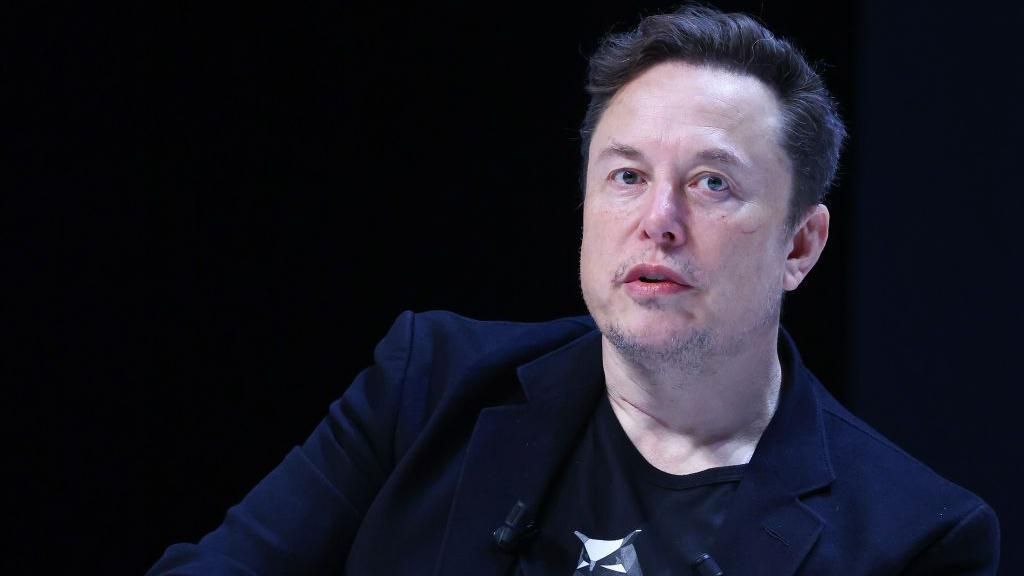
Just 12 days after making history as the world’s first person to hit a $1 trillion net worth following SpaceX’s blockbuster public debut, tech tycoon Elon Musk has fallen short of the trillion-dollar mark, new data from Bloomberg shows. The Bloomberg Billionaires Index, which refreshes daily at 5:30 p.m. New York time, pegged Musk’s total fortune at $957 billion as of Tuesday — a sharp pullback from the $1.11 trillion valuation recorded less than two weeks prior. The sudden drop comes on the heels of steep declines in shares of both SpaceX and Tesla, driven by a broader rout across the technology sector fueled by growing investor skepticism over the long-term profitability of artificial intelligence projects. Even with the major correction, Musk retains his title as the planet’s wealthiest individual, with a total net worth that still far outpaces that of his closest competitors.
Musk first crossed the trillion-dollar threshold on June 12, when his aerospace and satellite company SpaceX made its long-awaited initial public offering (IPO) on the Nasdaq stock exchange. The high-profile offering was priced at $135 per share and opened trading at $150, valuing the industry-disrupting firm at more than $1.77 trillion at debut. With Musk holding roughly a 42% stake in the company, the public listing immediately pushed his paper wealth over the $1 trillion mark. By June 16, rampant investor enthusiasm pushed SpaceX shares to a peak of $225.64, lifting Musk’s total net worth to an all-time high of $1.32 trillion. That momentum would not hold, however, as market headwinds quickly shifted the narrative.
Widespread concerns over heavy capital spending projections, soaring AI infrastructure costs, and persistent elevated interest rates sparked a broad sell-off across the tech sector, hitting high-growth giants including Nvidia, Intel, and AMD particularly hard. But SpaceX shares absorbed the worst of the market correction, plummeting more than 30% from its mid-June peak to trade around the $156 mark. On June 22, a turbulent single trading session saw SpaceX shares drop 16% in one day, erasing an estimated $240 billion from Musk’s personal net worth. The downturn compounded just one day later, when shares of Musk’s electric vehicle manufacturer Tesla slid nearly 6%, adding to his accumulated losses. Musk holds approximately 12% of Tesla’s outstanding public shares.
What makes Musk’s trillion-dollar status uniquely fragile is the extreme concentration of his wealth. Unlike many veteran billionaires who hold diversified investment portfolios, nearly 100% of Musk’s total net worth is tied to equity in just two companies: SpaceX, which accounts for roughly 80% of his total fortune, and Tesla. Market analysts point out that post-IPO price volatility is a completely normal occurrence for high-value growth companies, but the size of the recent swing reflects a deeper conflict between market hype and fundamental business reality. “For a stock like SpaceX, a lot of early investment decisions have likely been driven by emotion and excitement over the potential of massive advances in space exploration and commercial use,” explained Danni Hewson, head of financial analysis at UK-based investment firm AJ Bell. “But investing, even when we’re talking about these unprecedented numbers, needs to be approached with clear expectations and patience.”
Looking ahead, additional market pressure may build as lock-up restrictions are set to lift in late July, allowing company insiders to begin selling their SpaceX shares in staged increments. Even so, the barrier to reclaiming the trillionaire title is relatively low: a modest 6% rebound in SpaceX’s share price would push Musk back over the $1 trillion mark, potentially making him the world’s first person to hold and lose the trillionaire title multiple times.