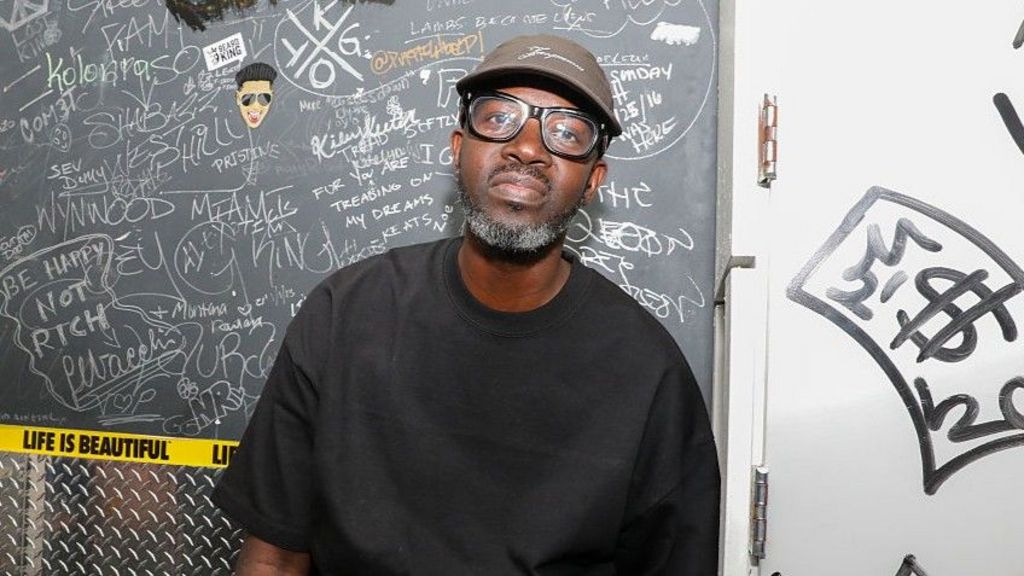
On a sweltering 28-degree Celsius Friday afternoon in London, thousands of music fans have packed the sidewalks outside the O2 Arena, queuing eagerly for a sold-out headline show from one of the world’s most celebrated electronic music talents. Backstage, as a full live orchestra runs through its final rehearsals and a film crew captures every moment for a coming documentary, South African superstar Black Coffee – the Grammy-winning DJ born Nkosinathi Maphumulo – sits calmly preparing for one of the biggest performances of his decades-long career. Fresh off this sold-out London spectacle, he is set to fly directly to Spain to kick off his annual summer residency in Ibiza, a gig that has cemented his status as a mainstay of the global dance scene.\n\nGreeted mid-interview by his special guest for the night, multi-platinum US singer Alicia Keys, Black Coffee smiles and apologizes gently, noting he is keeping her waiting to wrap up the conversation. For the iconic artist, this O2 Arena performance is far more than just another stop on a world tour: it marks the full-circle culmination of a musical journey that first brought him to London’s underground club circuit decades ago.\n\n“I played this venue’s smaller Indigo room years ago, so stepping into the main arena has always been a huge milestone for me,” he shared in the pre-show interview with the BBC. This concert’s production is one of the most ambitious of his career: a three-hour immersive experience billed as *Afropolitan House O2*, pairing his signature deep house beats with the live orchestra, A-list guest performers, and unannounced surprise appearances. Maphumulo notes that London’s long, storied history as a global hub for club culture means audiences here expect a one-of-a-kind experience that cannot be replicated anywhere else. “London’s crowd is punchier, groovier, and the city’s club scene has deep ties to Ibiza’s culture,” he explains. “I had to craft an entirely unique set just for this night.”\n\nBeyond the milestone show, London holds a deeply personal meaning for the DJ: it was the first global city that helped launch his career beyond South Africa’s borders. “One of my earliest breakout singles blew up here,” he recalls. “London was always a core part of my dream. I basically grew up as an artist here.”\n\nBehind his stratospheric global success lies a powerful story of resilience in the face of unthinkable tragedy. In 1990, amid nationwide celebrations following Nelson Mandela’s release from prison, a 20-something Maphumulo was involved in a devastating car crash that claimed two lives and left him with a permanent, disabling injury to his left arm. “That accident completely changed my entire life,” he says. “It was a massive setback, and I was still just a kid who’d always dreamed of being a DJ. But one day I just made the choice: I wasn’t going to stop chasing that dream.”\n\nThat relentless grit turned him into one of the most commercially successful and respected musical exports Africa has ever produced. Even with all his success, however, he remains outspoken about the gaps in support that hold back the next generation of South African artists. “We still haven’t built the sustainable infrastructure to take young artists from zero to a sustainable career,” he argues. “Every artist has to scramble to find their own path right now – some make it, far more don’t. What we need is structured systems that guide emerging talent step by step.”\n\nMaphumulo is equally vocal about redefining how African artists are framed and recognized on the global stage. While the phrase “African excellence” has become a popular celebration of the continent’s rising creative stars, he rejects the limiting label outright. “I don’t like that wording,” he says. “I just want excellence. If we want to be seen as global players, we should show up as global players – not ‘African global players.’” He argues that artists from the African continent no longer need to wait for validation or opportunities from Western institutions in Europe and North America. “Whatever seats we haven’t been offered at the table, we need to build our own tables. We can’t keep waiting for an invitation.”\n\nThat uncompromising philosophy shaped one of the proudest moments of his career: his Grammy Award win. Maphumulo deliberately chose not to enter the award ceremony’s genre categories specifically designated for African or world music, instead opting to compete directly against mainstream international peers in broad, open categories. “That win was very strategic,” he explains. “I wanted to be nominated alongside my peers – the people I tour with, work alongside, travel with. We don’t need a smaller, separate table.” He believes that win marked a critical turning point for African artists, who are increasingly breaking into global markets on equal footing rather than as niche acts. “It may not click for a lot of people right now, but that moment was a landmark for music from the African continent.”\n\nAs the interview wraps up, stage managers call Maphumulo to the wings, the show moments from starting. When the house lights drop, the orchestra weaves lush orchestration around his signature steady beats and vivid, soulful melodies, while large-scale shadow projections dance across a massive circular curtain hanging above the decks. True to his reputation, Black Coffee delivers a performance that lives up to decades of buildup, leaving the sold-out crowd screaming for more.