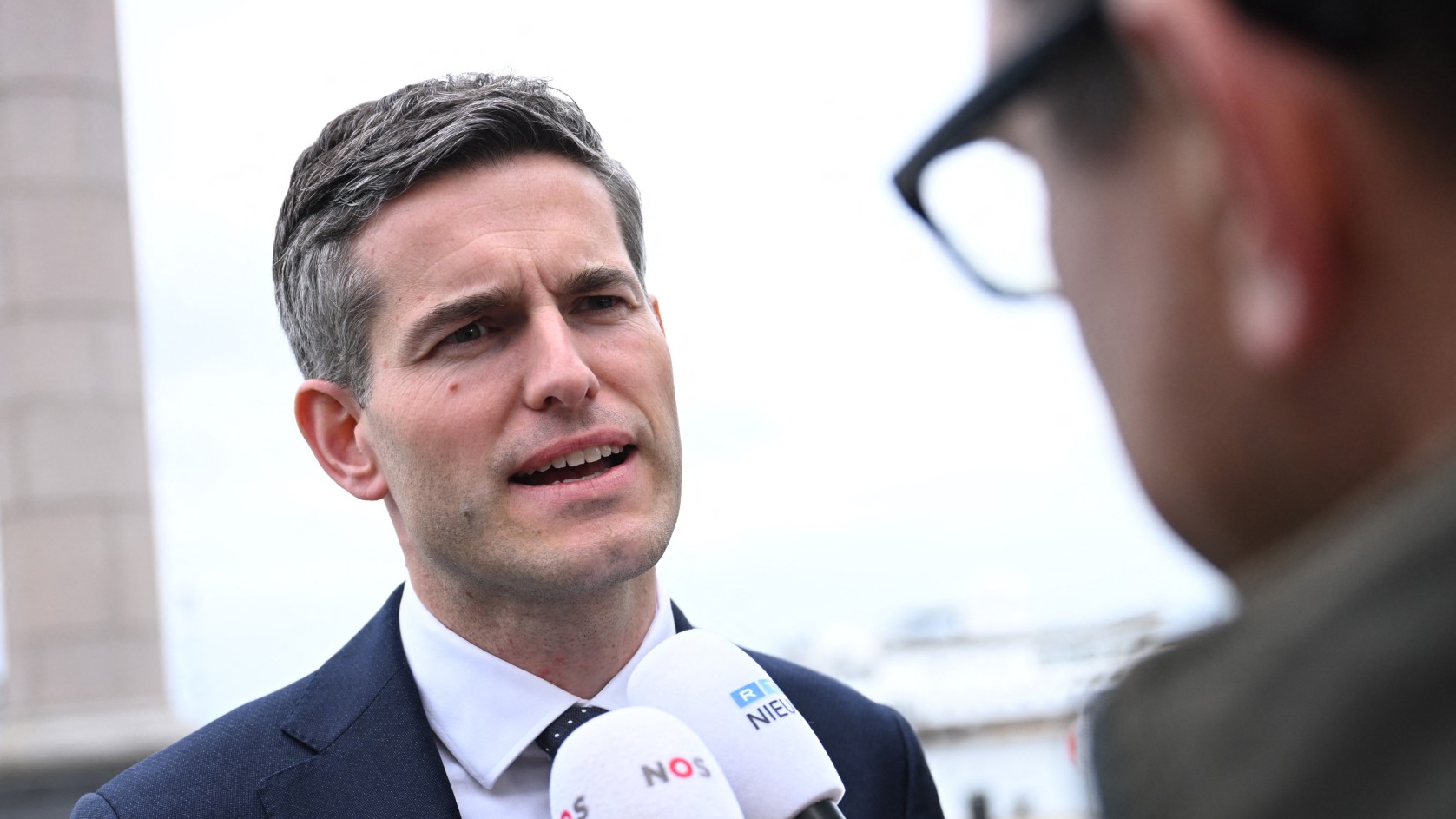
Dutch Foreign Minister Tom Berendsen avoided explicitly rejecting reports of high-stakes negotiations between the Netherlands and the United States that could severely curtail the core governing powers of the International Criminal Court, during a parliamentary questioning session held on Wednesday. The public exchange was triggered by a recent investigative report from Dutch human rights group The Rights Forum, which cited anonymous New York-based diplomatic sources claiming the Dutch government was engaged in talks to draft sweeping ICC rule changes in a bid to mitigate crippling U.S. sanctions targeting the institution. Responding to a direct query from Democrats 66 Member of Parliament Hanneke van der Werf over whether the ongoing diplomatic discussions included three high-impact proposals — full immunity for all serving heads of state and government, a blanket exclusion of nationals from non-Rome Statute signatory states from ICC jurisdiction, and a weakening of the court’s longstanding complementarity principle that allows it to intervene when national authorities refuse to pursue genuine prosecutions — Berendsen refused to confirm or deny the proposals were on the table. He acknowledged formal diplomatic talks were underway, but stated he could not publicly outline every item under discussion, noting that any binding revision to ICC rules would require buy-in from the court’s 120+ member states rather than a unilateral decision by the Netherlands. Berendsen emphasized that his government would publish a formal position paper for all members of parliament next week, outlining the Netherlands’ official stance ahead of the upcoming Assembly of States Parties gathering, scheduled to take place in The Hague from November 30 to December 7. The annual assembly was relocated from its usual New York venue this year, after U.S. visa restrictions and sanctions threatened to bar large numbers of international delegates from attending. Washington first imposed targeted sanctions against ICC judges and lead prosecutors back in February 2024, shortly after the court issued arrest warrants for Israeli Prime Minister Benjamin Netanyahu and former Defense Minister Yoav Gallant over alleged war crimes and crimes against humanity committed in Gaza. The U.S. government escalated these punitive measures on October 9, when it imposed sweeping institutional-level sanctions on the entire ICC body, granting a narrow six-month exemption for critical operational transactions set to expire on April 7, 2025. Once the exemption lapses, the sanctions would block the ICC from conducting U.S. dollar-denominated transactions, effectively cutting the court off from most of the global financial system. Global banking institutions almost universally practice excessive compliance with U.S. sanctions rules to avoid punitive penalties themselves, a dynamic that could completely paralyze the ICC’s day-to-day operations if the measures take full effect. The three proposed rule changes outlined by The Rights Forum would fundamentally rewrite the ICC’s founding Rome Statute framework. The non-member national jurisdiction carveout, for example, would directly invalidate the court’s ongoing probe into Israeli conduct in Palestinian territories: while Israel never ratified the Rome Statute, Palestine is a full signatory, granting the ICC legal authority to exercise territorial jurisdiction over alleged crimes committed on Palestinian land. The revised complementarity rule would allow national governments to block ICC proceedings simply by passing domestic legislation criminalizing the relevant conduct, even if they never launch a good-faith investigation or prosecution of suspected perpetrators. Legal experts have repeatedly noted that any formal amendment to the Rome Statute faces extremely high procedural barriers: adoption requires either full consensus among member states or a two-thirds majority vote, followed by ratification from seven-eighths of all signatory nations before it can enter into force. These reported negotiations align with demands first revealed by Middle East Eye back in December 2025, when the outlet reported that the U.S. government had demanded the ICC immediately terminate its ongoing investigations into Palestine and Afghanistan, alongside the core treaty revisions, in exchange for a full rollback of all sanctions. At that year’s Assembly of States Parties, delegates formally reaffirmed the full integrity of the Rome Statute, with one senior diplomat warning that concessions made to appease Washington would do far more permanent, structural damage to the court’s mandate than the U.S. sanctions themselves. The Dutch foreign ministry has since stated that no formal concrete amendment proposals have been submitted to the Assembly of States Parties to date, and that all ongoing diplomatic dialogue will be conducted in line with international law, while upholding the ICC’s independence and impartiality. Human rights organizations and international legal experts have repeatedly called on the European Union to fully activate its long-dormant Blocking Statute, a legal mechanism designed to shield EU-based entities from the extraterritorial impact of third-country sanctions. If activated, the statute would bar European companies from complying with U.S. sanctions targeting the ICC, and provide them with full legal protection for transactions supporting the court’s operations. While Dutch Prime Minister Rob Jetten pledged last month to defend the ICC “brick by brick”, Berendsen has publicly framed the Blocking Statute as an extreme, one-time measure that should only be deployed as a last resort. EU foreign policy chief Kaja Kallas noted on October 20 that activating the mechanism remains a viable option, but requires careful, coordinated preparation, and has urged European financial institutions to avoid over-compliance with U.S. restrictions during the current six-month transition window. Launched in 2002, the ICC is the world’s only permanent global judicial body mandated to prosecute individuals for genocide, crimes against humanity, war crimes, and the crime of aggression, and currently operates more than a dozen active public investigations across regions including Darfur, Libya, Myanmar, and Ukraine.
Dutch foreign minister declines to deny talks are under way on curbing ICC powers