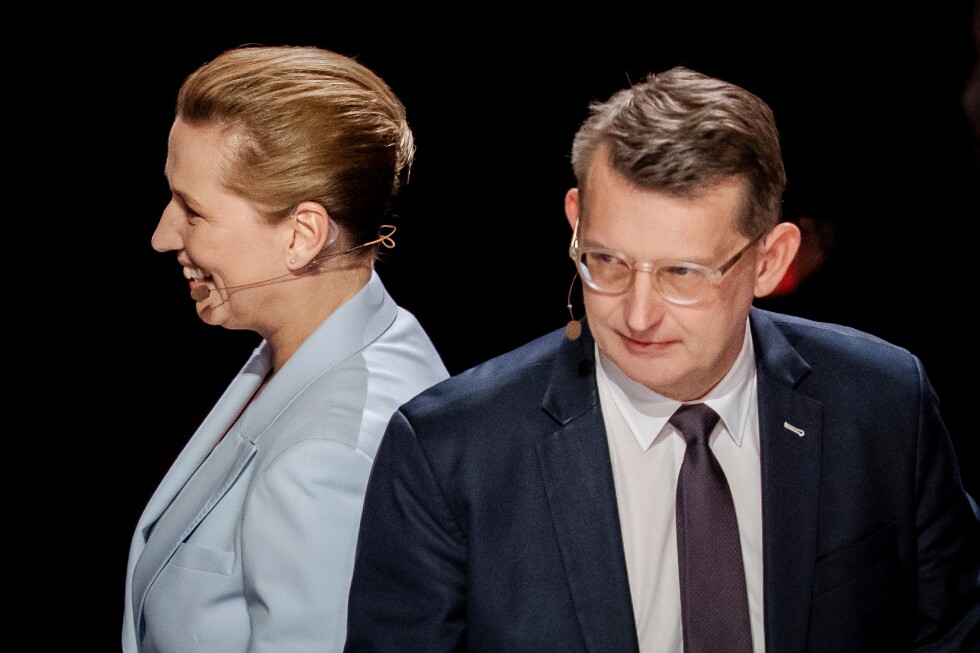
COPENHAGEN, Denmark — Danish citizens participated in a consequential parliamentary election on Tuesday, with incumbent Prime Minister Mette Frederiksen attempting to secure an unprecedented third consecutive term. The 48-year-old Social Democrat leader called this early election amidst declining popularity, strategically capitalizing on her firm diplomatic stance during recent tensions with the United States regarding Greenland’s sovereignty.
More than 4.3 million eligible voters determined the composition of the Folketing, Denmark’s 179-seat parliamentary body. The election occurs against a backdrop of rising living costs, pension reforms, and proposed wealth taxation measures that have dominated political discourse. Frederiksen’s administration has faced growing public discontent over economic pressures despite her strong international positioning regarding Ukraine support and maintaining Denmark’s restrictive immigration policies.
The political landscape features two primary center-right challengers: Defense Minister Troels Lund Poulsen from the Liberal (Venstre) party and Alex Vanopslagh of the opposition Liberal Alliance. Vanopslagh’s campaign encountered setbacks following his admission of past cocaine use during his leadership tenure. Meanwhile, the anti-immigration Danish People’s Party appears poised for a significant recovery after their poor 2022 performance.
Denmark’s proportional representation system virtually guarantees coalition governance, traditionally divided between left-leaning ‘red bloc’ or right-aligned ‘blue bloc’ alliances. Frederiksen’s outgoing government broke decades of precedent by bridging the political divide, with Foreign Minister Lars Løkke Rasmussen’s Moderate party potentially serving as kingmaker in post-election negotiations.
Notably, the Greenland sovereignty crisis that prompted Frederiksen’s early election call has faded from campaign prominence due to cross-party consensus on the territory’s status. While Frederiksen previously warned that U.S. acquisition attempts could jeopardize NATO’s foundation, technical discussions between Washington, Copenhagen, and Greenland have since mitigated tensions.
The parliament comprises 175 representatives from Denmark proper, plus two each from the semiautonomous territories of Greenland and the Faroe Islands, reflecting the kingdom’s unique constitutional structure.