On November 10, a cohort of 12 Senate Democratic lawmakers led by Senator Chris Van Hollen of Maryland — who is currently weighing a leadership challenge against incumbent Senate Majority Leader Chuck Schumer — formally called on top congressional leaders from both parties to scrap a set of bipartisan provisions that would deepen formal military and defense integration between the United States and Israel. The group issued a formal bipartisan letter warning that the proposed measures would erode U.S. national security autonomy and lock Washington into long-term commitments that could further implicate the U.S. in widely condemned Israeli military actions across Gaza, the West Bank, and broader regional hotspots. None of the signatories included Majority Leader Schumer.
The three targeted clauses are slated for inclusion in the pending Fiscal Year 2027 National Defense Authorization Act (NDAA) and its accompanying Intelligence Authorization Act (IAA), which is traditionally folded into the final defense spending package. Two overlapping provisions, Section 1217 from the Senate-passed NDAA draft and Section 219 from the House counterpart, would codify a new bilateral U.S.-Israel Defense Technology Cooperation Initiative designed to accelerate joint research, testing, evaluation, and cross-border industrial collaboration for advanced defense systems. The third targeted clause, Section 618 of the 2027 IAA, would mandate the executive branch to expand and formalize enhanced intelligence sharing with Israeli security agencies, stripping the president of discretionary authority to scale back that sharing even when U.S. national security interests demand a pause.
In their public letter, the Democratic senators argued the proposed rules would severely constrain the White House’s independent ability to calibrate U.S. national security strategy, creating binding long-term commitments at a moment when the Israeli government’s ongoing regional operations run directly counter to stated U.S. values and strategic priorities. They emphasized that Washington does not extend the same level of access to sensitive defense technology to even core NATO treaty allies, warning that embedding Israeli systems and supply chains into the U.S. defense industrial base would create costly, hard-to-reverse dependencies that grant Israel unprecedented leverage over America’s most classified military capabilities. The signatories also cited recent public reports that the U.S. Defense Intelligence Agency had elevated the counterintelligence threat posed by Israeli actors to its highest official risk tier, calling the mandatory intelligence sharing provision deeply irresponsible.
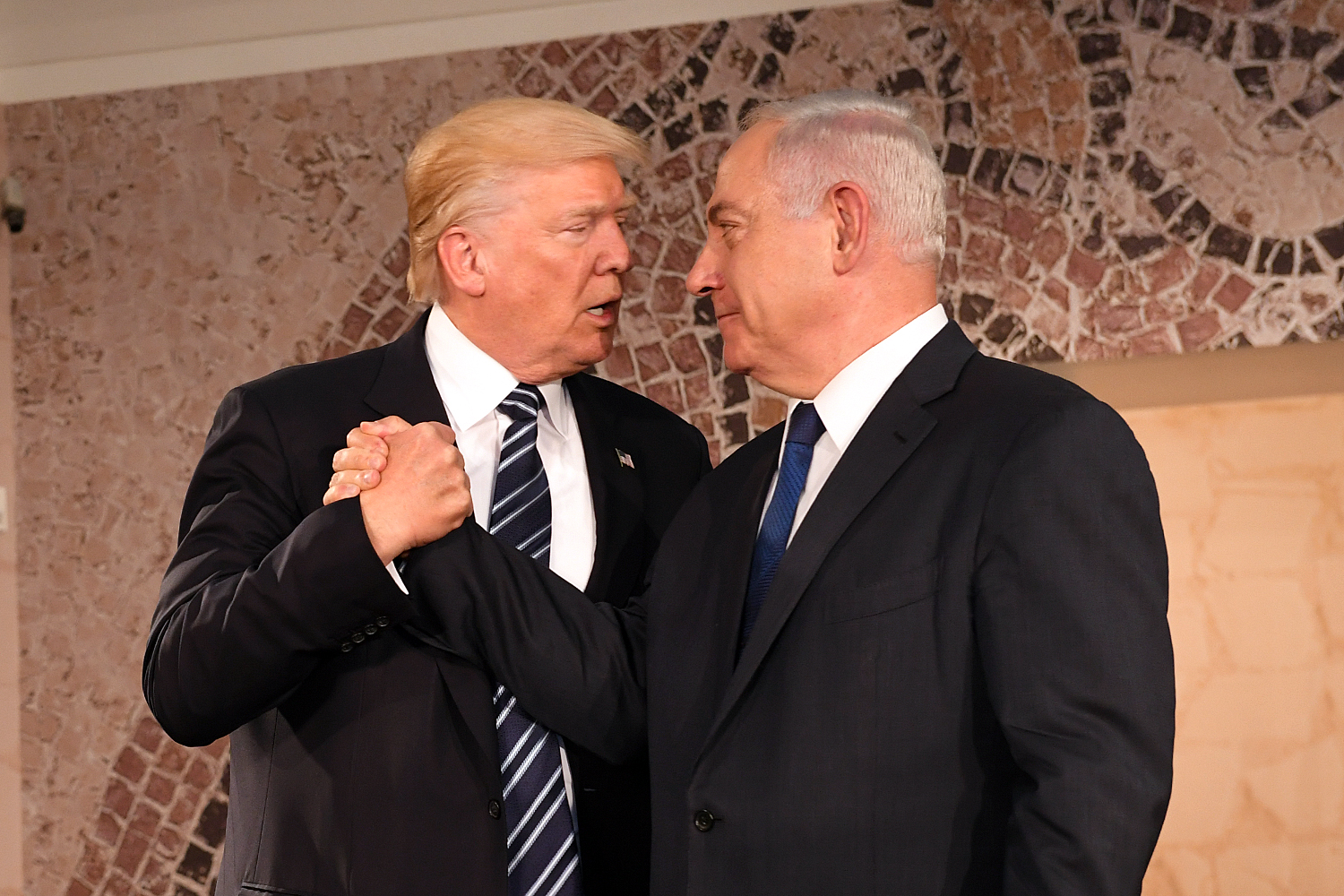
The push to strip the clauses comes as House and Senate negotiators prepare to reconcile differences between their respective versions of the 2027 NDAA before final passage, creating a narrow window for opponents to remove the controversial text. The legislative push also arrives just one week after former President Donald Trump, speaking on U.S. midterm election day, announced he had reached a tentative deal with Israeli Prime Minister Benjamin Netanyahu to phase out the roughly $4 billion in annual U.S. military aid to Israel. Independent defense analysts have warned that the proposed defense integration provisions could be used to shift that aid into untransparent, off-the-books funding streams that bypass standard congressional appropriations oversight. House progressive Democrat Ro Khanna of California has also echoed the Senate group’s demands, posting on social media that removing the Section 219 military integration language from the NDAA must be a top priority for the upcoming lame-duck session of Congress, and that he is actively lobbying all Democratic colleagues and party leadership to support the effort.
Democrats preview plan to roll back US-Israel defense integration