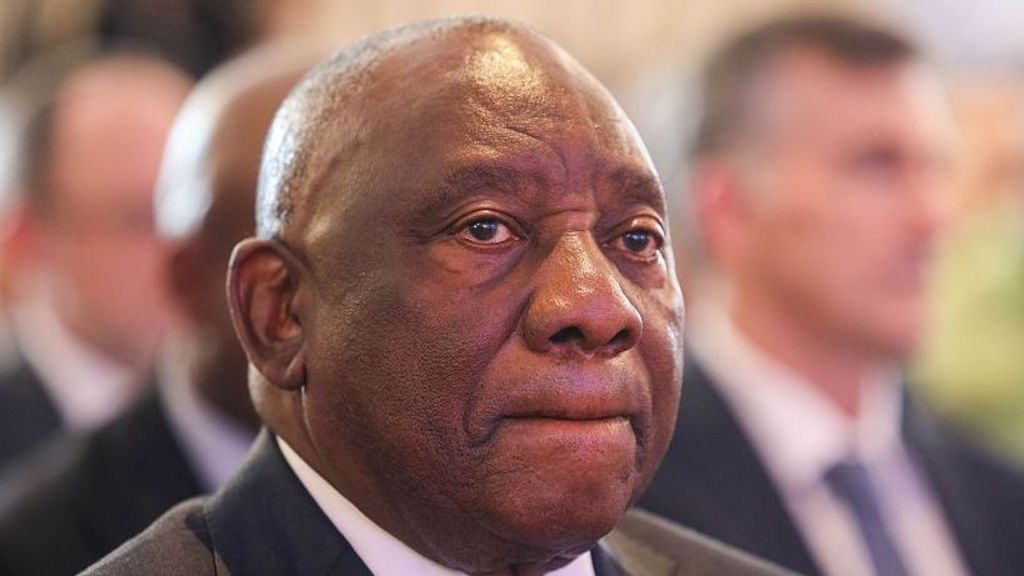
South Africa’s Western Cape High Court is poised to issue a landmark ruling on Wednesday that will determine the trajectory of long-running legal and political proceedings surrounding President Cyril Ramaphosa’s high-profile “Farmgate” scandal, a controversy that has loomed over his administration since 2022. The case centers on Ramaphosa’s legal challenge to the findings of an independent 2022 investigative panel, which concluded he had a credible case to answer over the 2020 theft of $580,000 in undeclared U.S. dollar cash stashed inside a sofa at his private Phala Phala game farm in Limpopo province. The panel’s damning report flagged substantial uncertainty over the legitimacy of the stolen funds’ origin, and alleged Ramaphosa had failed to properly disclose the burglary to police and tax authorities, constituting serious misconduct. The scandal first came to public attention when Arthur Fraser, a former state spy chief and close ally of ex-President Jacob Zuma, submitted a formal criminal dossier to law enforcement detailing the alleged cover-up. Ramaphosa has consistently denied all wrongdoing, maintaining the cash came from the legitimate private sale of buffalo from his personal livestock business. While two individuals were convicted of the farm theft earlier this month, the political fallout has persisted through layers of parliamentary and judicial process. Initial impeachment proceedings launched by the National Assembly in 2022 were paused after lawmakers voted against adopting the independent panel’s findings, a move that was later struck down by South Africa’s highest authority, the Constitutional Court. The top bench ruled last year that parliament’s decision to block impeachment proceedings was unconstitutional, ordering the matter to be referred back to a dedicated impeachment committee for review. Ramaphosa revived his legal challenge to the panel’s report in May 2024, arguing the independent body had overstepped its mandate, misassessed submitted evidence, and misinterpreted all four formal charges brought against him. The Western Cape High Court previously issued an interim stay halting the impeachment committee’s work pending the outcome of this judicial review. Wednesday’s ruling carries two drastically different potential outcomes: a verdict in Ramaphosa’s favour would effectively terminate the ongoing impeachment process, barring a successful cross-appeal from parliamentary authorities. A ruling against the president, by contrast, would clear the way for the impeachment committee to fully examine the misconduct allegations and table a formal recommendation for a full parliamentary vote on his removal from office. To oust Ramaphosa, a two-thirds supermajority of the National Assembly would be required; his ruling African National Congress (ANC) holds enough legislative seats to easily block such a threshold. Ramaphosa is the first sitting South African president to face formal impeachment proceedings under the parliamentary rules introduced in 2018, a development that has cast significant uncertainty over the country’s domestic political landscape.