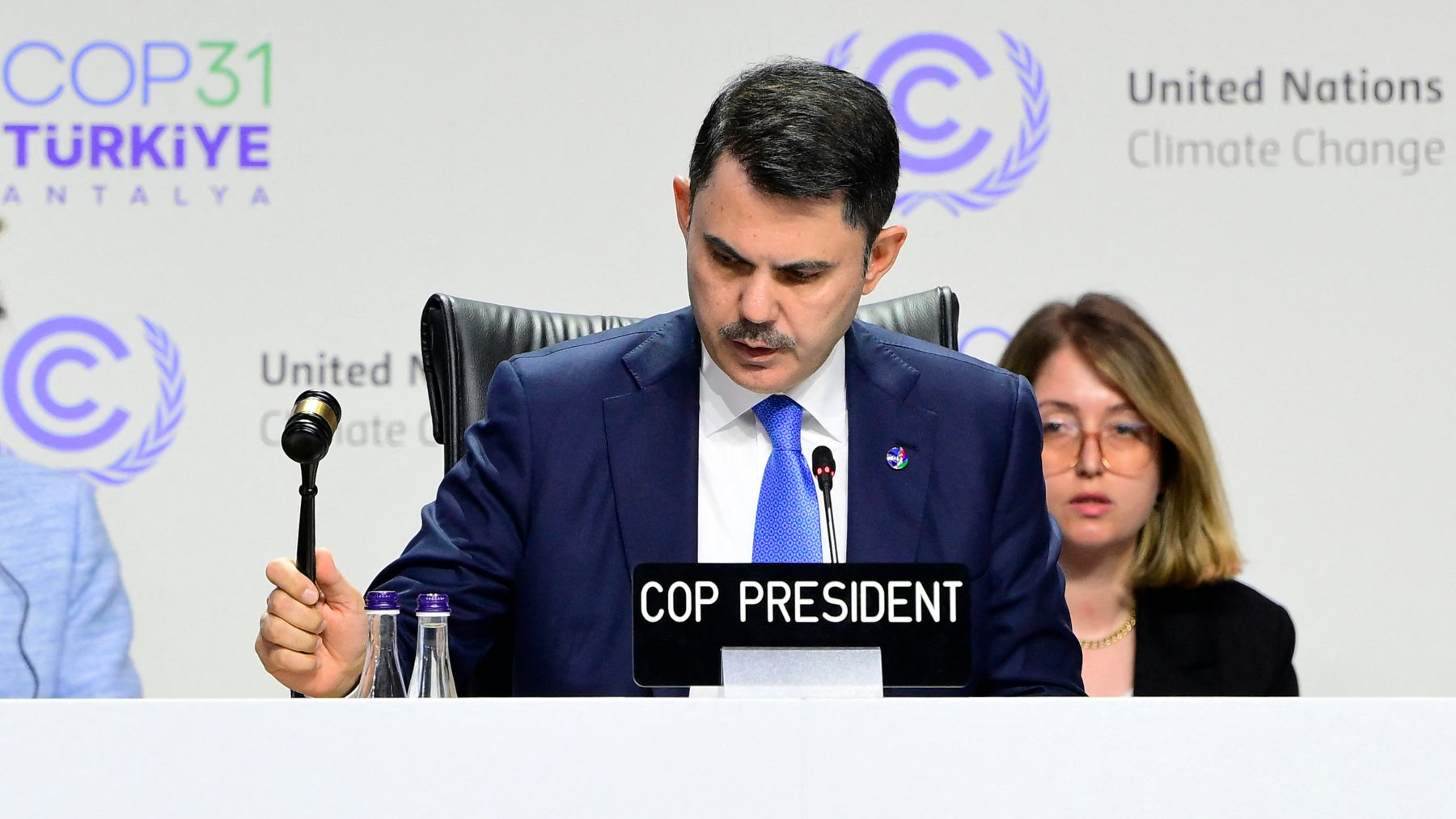
After 17 gruelling days of back-to-back negotiations that stretched three full days past the originally scheduled Friday closing date, the 31st UN Climate Change Conference (COP31) hosted in Antalya, Turkey, concluded in total disarray on Sunday with no formal binding agreement adopted, marking the longest summit in the 30-year history of the UN climate conference framework. Presiding over the final plenary session, COP31 President and Turkish Environment Minister Murat Kurum formally acknowledged the total lack of cross-party consensus, noting that the negotiating team had exhausted all possible compromise pathways without forcing any unpalatable terms on delegations. “We dedicated every available resource and diplomatic channel to broker a mutually acceptable deal,” Kurum stated to the assembly. “We never resorted to ultimatums or forced text adoption, but it is undeniable that multiple parties in this room cannot align on the proposed framework, so no official decisions will be formalised.” The rejected draft, dubbed the Antalya Pact, drew fierce formal objections from a coalition of nations led by the 27-member European Union, alongside climate-vulnerable small island states and ambitious high-income economies including the Marshall Islands, Panama, Norway, the United Kingdom, and Vanuatu. Speaking on behalf of the entire EU bloc, Ireland’s Climate Minister Darragh O’Brien slammed the draft as dangerously disconnected from established climate science, pointing out its most glaring flaw: a total omission of explicit language mandating a global phase-down of coal, oil and gas, a core commitment enshrined in the 2023 COP28 Dubai Consensus. While the draft made passing reference to prior UN climate accords including the Dubai agreement, it avoided any direct naming of fossil fuels, and retained favourable provisions for carbon capture and storage technology – a solution heavily pushed by major oil-producing nations but widely derided by environmental advocates as a loophole to extend the operational lifespan of polluting fossil fuel infrastructure. UK Energy Secretary Miatta Fahnbulleh characterised the failed summit outcome as a damaging step backwards for global climate progress, noting that the gathering was convened specifically to address the urgent reality that current emission trajectories are on track to push global warming past the critical 1.5°C threshold within the next decade. “This moment demanded unprecedented collective ambition, but what we were offered was a lowest-common-denominator text that does nothing to close the gap between our global promises and the real action people on the ground desperately need,” Fahnbulleh remarked. Representatives from climate-vulnerable nations delivered even more scathing rebukes of the proposed pact. Panama’s delegate emphasised that the accelerating planetary climate crisis does not pause for diplomatic negotiation compromises, and the Marshall Islands’ envoy warned that the weak, fossil fuel-friendly text posed an existential security threat to low-lying island nations already facing catastrophic sea level rise. “Our communities are already losing lives to extreme weather, our territories are being swallowed by rising tides, and this deal would have only widened the gap between what we need to survive and what global leaders are willing to deliver,” the Marshall Islands representative stated. Norwegian officials also formally registered their rejection of the text, while German negotiators had publicly signalled their opposition to the draft in its entirety days before the closing plenary.