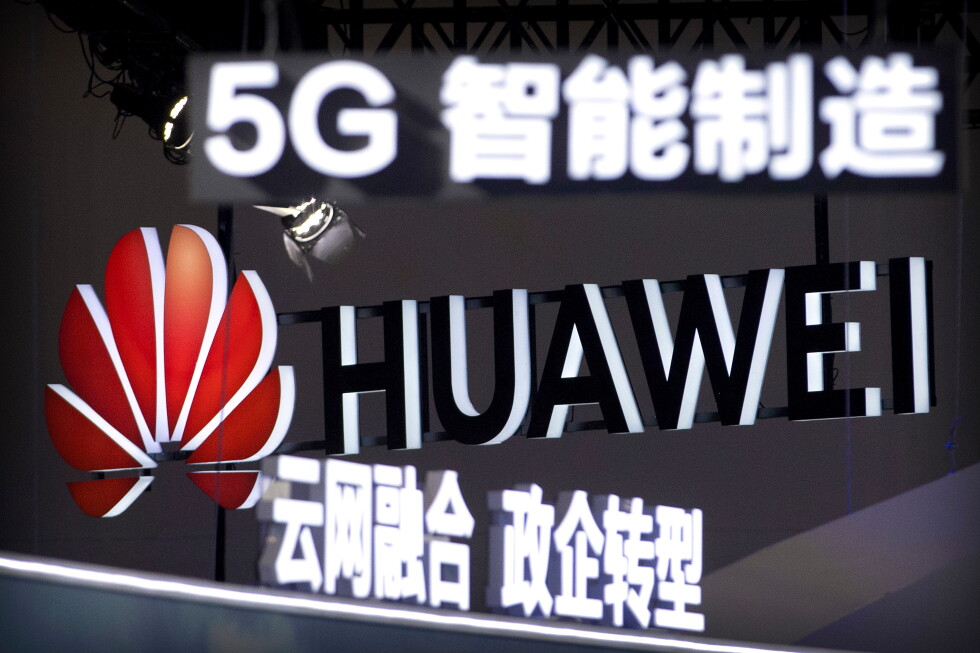
A years-long legal standoff between the United States and one of the world’s most influential technology firms is set to enter a critical new phase this week, as jury selection begins Tuesday for the criminal racketeering trial of Huawei Technologies in a New York federal court.
The Chinese telecommunications and consumer electronics giant faces a sweeping multi-count indictment that includes allegations of stealing trade secrets from U.S. competitors, scheming to mislead financial institutions through wire and bank fraud, violating strict U.S. sanctions imposed on North Korea by conducting unauthorized business there, and supplying surveillance equipment that Iran’s government used to monitor anti-government protestors during widespread 2009 demonstrations. U.S. prosecutors have also alleged that Huawei used a Hong Kong-based shell company named Skycom to evade sanctions restrictions to ship technology to Iran, a case that previously ensnared the company’s top leadership.
For Huawei, the legal proceedings mark the culmination of more than five years of escalating tensions with U.S. authorities that have upended the company’s global operations. The case first gained international attention in late 2018, when Canadian authorities arrested Meng Wanzhou, Huawei’s chief financial officer and the daughter of the company’s founder, at the U.S. government’s extradition request. Meng was charged with fraud for allegedly misleading HSBC Holdings about Huawei’s sanctioned business activity in Iran. Her years-long detention ended in a high-profile 2021 prisoner swap, where the U.S. dropped its extradition request and agreed to dismiss all charges against Meng in exchange for the release of two Canadian citizens held by Chinese authorities.
Huawei’s legal team has repeatedly pushed to have the entire indictment dismissed. In court filings, the company’s attorneys argue that the U.S. government’s allegations are unacceptably vague, that many claims cover activity outside U.S. borders in what they call impermissibly extraterritorial overreach, and that the charges of domestic wire and bank fraud lack sufficient factual grounding.
Long the world’s largest supplier of wireless telecommunications network infrastructure, Huawei has faced sweeping restrictive measures from the U.S. government dating back to the first Trump administration, when officials raised unsubstantiated national security concerns that the company’s equipment could be used for Chinese state surveillance. Those concerns led to a full ban on Huawei equipment sales to U.S. domestic carriers, and successful U.S. lobbying pushed many Western allies including Canada and the United Kingdom to also blacklist the company from their 5G network buildouts.
Wider export controls have also cut Huawei off from access to U.S.-designed processor chips and critical technology components, severely cutting into the company’s consumer smartphone business and forcing it to restructure its global operations. In response to these restrictions, Huawei has invested heavily in domestic Chinese research and development, most recently expanding its domestic chip manufacturing operations to meet surging global demand for microprocessors driven by the artificial intelligence boom. Recent market data has shown Huawei’s domestic chipmaking progress has already eroded market share held by U.S. chip giant Nvidia in China.
Chinese government officials have repeatedly pushed back against the U.S. actions, describing the prosecution and sanctions as a deliberate case of economic bullying that uses unfounded national security claims as a pretext to unfairly suppress a competitive Chinese technology firm. Beijing has framed China’s recent technology advancements, including Huawei’s breakthroughs in chip development, as a global economic opportunity rather than a threat to Western powers.