A sharp diplomatic clash has erupted between the United States and the United Kingdom after London unveiled plans to impose new trade restrictions on goods originating from illegal Israeli settlements in occupied Palestinian territories, with senior American figures openly threatening retaliatory action against Britain.
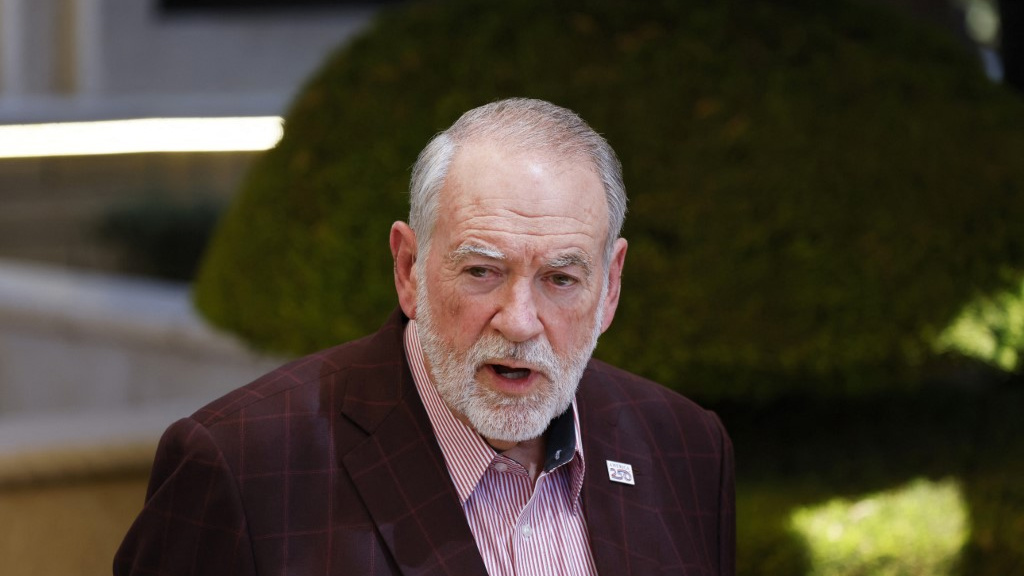
The first public rebuke came from Mike Huckabee, the sitting US Ambassador to Israel, who indicated in comments to the BBC on Tuesday morning that the Trump administration was prepared to hit back against the UK over the proposed policy. Huckabee framed the UK’s planned ban on settlement-produced goods as blatant bias against the Jewish community, calling it an act of discrimination. He also floated the idea that individual US states, most notably Florida, could launch their own independent trade measures against British businesses.
This is not the first time Huckabee has lashed out at UK leadership over its stance on Israel. Over the preceding weekend, the ambassador already leveled accusations of “Jew hate” against British Foreign Secretary Ed Miliband – who is Jewish himself – in response to Miliband’s public criticism of Israeli military operations in Gaza.
Florida-based Republican Congressman Randy Fine doubled down on Huckabee’s threats just one day later, issuing a stark warning that British firms could be completely locked out of commercial activity across the state of Florida if the UK moves forward with the ban. Fine derided the UK’s policy as a “vanity project in support of Muslim terror”, and referenced an anti-boycott law he shepherded through the Florida Legislature during his tenure that would enable the state to penalize entities that comply with the UK’s restrictions. Under the existing law, any British company forced to adhere to the UK settlement ban would be prohibited from securing government contracts at both the state and local level in Florida. The restriction would also extend to all commercial operations in the state that require official government interaction – from operating permits to tax-related processes. Fine stressed that Florida ranks among the UK’s largest US trading partners, and warned that the policy could cost British stakeholders billions of dollars in lost economic activity. “Any company – or nation – that boycotts Israel is boycotted by Florida,” Fine emphasized in his statement.
Behind closed doors, Washington has already made its opposition clear: multiple sources familiar with the matter confirm US officials privately pressed the British government to scrap the planned ban before it was formally introduced. UK Prime Minister Andy Burnham, for his part, personally briefed US President Donald Trump on his government’s proposal during a call on Monday afternoon, according to reports.
The diplomatic row has also drawn sharp pushback from Israeli leadership, with far-right Israeli cabinet ministers Itamar Ben Gvir and Bezalel Smotrich calling on Monday night for Jerusalem to retaliate against the UK by imposing its own sanctions and expelling the British ambassador – a demand that also brought the long-disputed Falkland Islands sovereignty issue into the fray. While both Argentina and the UK claim full sovereignty over the South Atlantic archipelago, an overwhelming majority of the Falklands’ 3,600 permanent residents endorse continued British rule. The dispute gained new traction just last week, when Trump publicly stated he would not support the UK militarily if Argentina launched an invasion to retake the islands. To date, Trump has not issued any public comment on the UK’s proposed settlement sanctions.
Ed Miliband is scheduled to lay out the full details of the UK’s new Israel-related policy package in a address to parliament scheduled for Tuesday afternoon, leaving waiting for the next chapter of this unfolding international dispute.