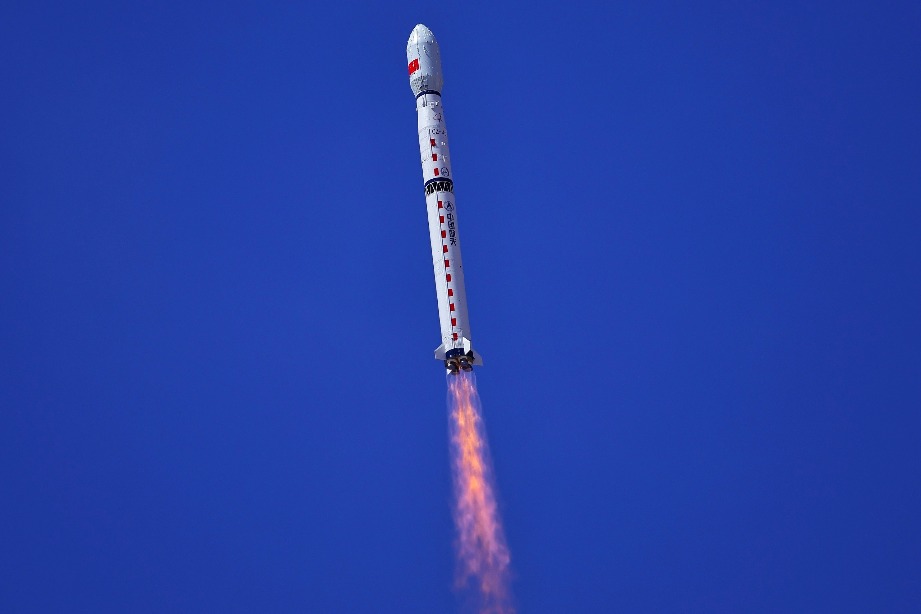
In a milestone for global climate monitoring efforts, China successfully launched a high-precision greenhouse gas detection satellite into its planned orbit on Friday, using a Long March 4C carrier rocket. The liftoff occurred at 12:10 p.m. Beijing Time at the Jiuquan Satellite Launch Center, located in the Gobi Desert of Northwestern China.
This mission marks the 638th flight operation of China’s Long March series carrier rockets, one of the most active and reliable rocket families in global space operations. The newly deployed satellite is designed to deliver accurate, large-scale measurements of greenhouse gas concentrations across the globe, filling critical data gaps that support climate change research and international emission reduction policy implementation.
Unlike general atmospheric monitoring satellites, this new platform is equipped with advanced high-resolution detection instruments that can capture precise data on key greenhouse gases including carbon dioxide and methane, enabling scientists to track emission sources, monitor absorption processes, and verify the effectiveness of climate action initiatives around the world.
The launch comes amid growing global urgency to enhance climate observation infrastructure, as nations work toward meeting the carbon reduction goals outlined in the Paris Agreement. This new satellite capability is expected to contribute valuable open data to the global climate science community, supporting more informed decision-making for climate adaptation and mitigation strategies worldwide.