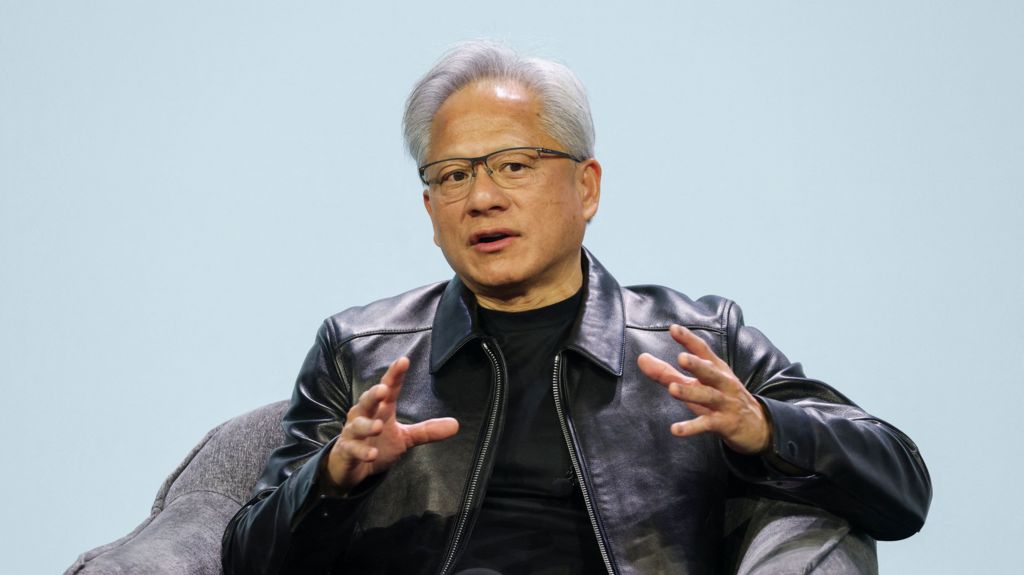
A recent investigative report from The New York Times has sparked a fresh diplomatic flare-up between Washington and Beijing, over unsubstantiated intelligence claims that a Singapore-based businesswoman with ties to data centre operator Megaspeed was running an information-gathering operation targeting Jensen Huang, CEO of US semiconductor giant Nvidia. The individual in question, Alice Huang (also known as Huang Le, who bears no familial relation to the Nvidia chief), has been the subject of a US intelligence surveillance operation that reportedly uncovered communications between her and Huang, a process that involved unmasking the executive’s identity during monitoring. US intelligence officials, speaking to the Times on condition of anonymity, assert that Alice Huang was acting on behalf of the Chinese government, though no public details have been released confirming what specific information she is alleged to have shared with Beijing, the purported value of that intelligence, or when the suspected operation first began. The probe into Alice Huang also intersects with long-running US enforcement efforts to curb unauthorised diversion of Nvidia’s high-end AI chips to mainland China, exports of which have been heavily restricted by US federal rules since 2022 over national security concerns that the advanced computing hardware could be repurposed to enhance Chinese military capabilities. China has forcefully rejected the entire set of allegations through a formal statement delivered by Chinese Foreign Ministry spokesperson Guo Jiakun during a regular Friday press briefing, framing the claims as nothing more than baseless speculation manufactured to smear the country’s international reputation. Nvidia, for its part, has moved to distance its CEO from the controversy, with company spokesperson John Rizzo confirming that all of Jensen Huang’s interactions with Alice Huang were standard, routine business engagements typical of engagements with major regional clients. Rizzo further clarified that no sensitive trade secrets or information tied to US national security was ever shared during those meetings, and noted that prior allegations claiming Megaspeed was involved in smuggling restricted AI chips to China were fully investigated and definitively debunked as far back as last year. Megaspeed, which has publicly stated that its current leadership takes all associated allegations extremely seriously, has retained external legal counsel to run a full independent internal review, and has formally notified US authorities that it is prepared to extend full cooperation with any official investigations. Alice Huang did not respond to requests for comment from The New York Times, while the BBC has separately reached out to both Megaspeed and the White House to solicit additional statements on the matter. The controversy unfolds against a backdrop of years of bilateral friction over advanced semiconductor access: while Jensen Huang has repeatedly advocated for loosened export limits to allow Nvidia to continue selling products to the large Chinese market as a means of preserving US competitiveness in the global AI race, successive US administrations have maintained strict trade controls, with only limited temporary relaxations of restrictions implemented during the Trump administration. US law enforcement has previously announced multiple successful busts of unauthorised firms caught illegally trafficking restricted AI chips across China’s border, and has broadened its ongoing probes to include third-country intermediaries suspected of facilitating Chinese firms’ access to the restricted hardware. Nvidia has repeatedly maintained full compliance with all applicable US export control regulations, and states there is no verifiable evidence that any of its restricted high-end chips have been illicitly smuggled into mainland China.