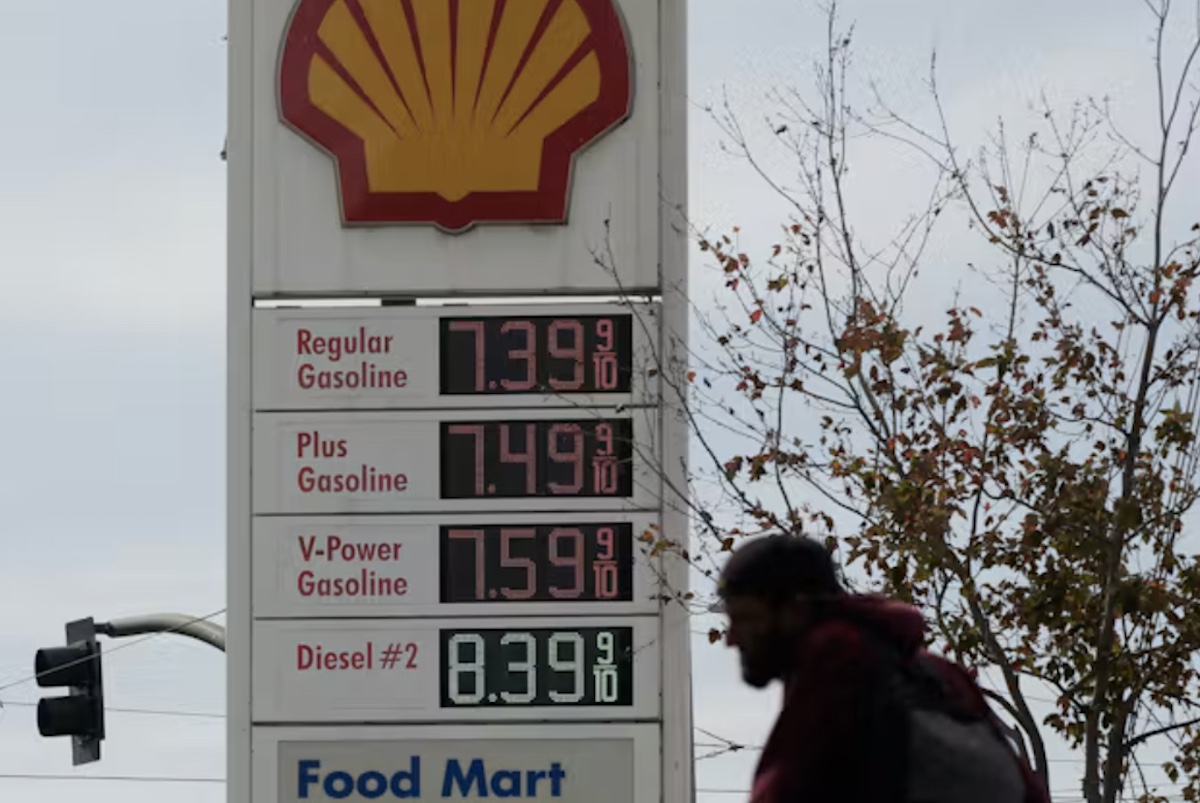
As the November 3, 2026, U.S. midterm elections draw near, polling trajectories paint a deeply unfavorable picture for Republican incumbents, anchored in widespread public discontent with the state of the national economy. This dynamic defies conventional political forecasting models, which typically tie electoral performance to headline macroeconomic indicators that remain largely robust outside of persistent above-target inflation. Key markers including solid gross domestic product expansion, low unemployment, and sustained overall consumer spending have not translated to public optimism, leaving consumer sentiment mired in prolonged stagnation and sparking a fierce ongoing debate among analysts, policymakers, and scholars. The core of this dispute centers on whether the public’s gloomy outlook is driven by intangible, anecdotal “vibes” or if long-trusted standard economic metrics have failed to capture critical, underrepresented realities shaping ordinary Americans’ lived economic experiences. The stakes of this debate are uniquely high for the 2026 electoral cycle, as economic concerns rank as the top policy priority for the vast majority of registered voters. A Pew Research Center survey fielded in early October 2026 found that 84% of all registered voters identified the economy as a top-tier factor guiding their ballot choices, with the issue boasting rare bipartisan consensus: 82% of Republican respondents and 88% of Democratic respondents rated it as very important, making it the least polarizing issue measured in the poll. While Democratic voters have historically held far more negative views of the economy under the Trump administration, recent months have seen a sharp surge in pessimism among Republican voters, narrowing the partisan gap in economic outlook dramatically. This collective shift in public mood has positioned Democrats to make substantial gains in both chambers of Congress, with the election widely framed as a public referendum on the Republican-led federal government’s economic stewardship, despite the positive headline macroeconomic figures. As a scholar specializing in financial market dynamics and global inequality, I argue that this disconnect between official economic data and public sentiment reflects a fundamental, underrecognized shift in how Americans evaluate their own financial well-being and the health of the broader national economy, a transformation that will shape policy priorities for the incoming class of lawmakers. For decades, researchers have relied on the University of Michigan’s long-running consumer sentiment index to map public perceptions of economic conditions, with the survey querying respondents on their personal financial standing, short- and long-term economic outlooks, and their willingness to make large household purchases. Historically, this index has closely correlated with core metrics of consumer spending and inflation, as trends in the broader economy typically shaped individual perceptions of personal financial security. In recent years, however, this long-standing correlation has broken down entirely: aggregate macroeconomic indicators point to a thriving economy, yet a growing share of Americans report feeling that they are falling further behind financially, a trend that has amplified significantly in the lead-up to the 2026 midterms. Per the latest Michigan index data, overall consumer sentiment sits 10% lower than it did one year prior, even amid robust business investment, low unemployment, and sustained high levels of total consumer spending. Some commentators have attributed this public gloom to persistent inflation, which has remained stuck above the Federal Reserve’s 2% annual target, driven by a confluence of factors including sweeping tariff policies, energy price spikes tied to ongoing Middle East geopolitical turmoil, and massive capital investment flows into the rapidly expanding artificial intelligence sector. This explanation does not hold up under closer scrutiny, however: headline inflation has plummeted from its 21st-century peak of 9.1% in June 2022, in the immediate aftermath of pandemic-era disruptions, to 3.7% as of September 2026, yet current consumer sentiment readings are even lower than they were at the height of that 2022 inflation surge. Wage data similarly fails to fully account for the public’s sour mood: inflation-adjusted real wages posted consistent gains from 2022 through the first half of 2026, even as consumer sentiment remained stubbornly depressed. The only recent shift aligned with deepening pessimism is the very recent reversal of that trend, with real adjusted wages beginning to decline in the months leading up to the election. A far more compelling explanation for the disconnect lies in the U.S. economy’s historically high levels of entrenched income and wealth inequality, a structural feature far more pronounced than in previous eras of moderate to high inflation. U.S. income inequality has risen steadily over the past 20 years, with only brief, temporary narrowings during the 2008 and 2020 economic crises that quickly reverted to pre-crisis widening levels. This skewed distribution of resources distorts headline economic metrics: while the Federal Reserve has repeatedly cited strong aggregate consumer spending as evidence of a healthy economy, the top 10% of U.S. earners now account for fully half of all national consumer expenditures, while inflation-adjusted spending by the bottom 80% of households has failed to keep pace with rising prices. The strong overall spending figures cited in official economic reports are therefore driven almost entirely by the spending power of the wealthiest demographic, and do not reflect the day-to-day financial realities of the vast majority of voting-age Americans. This inequality gap is even starker when measuring total wealth: the top 0.1% of U.S. households collectively hold five times more total wealth than the entire bottom 50% of the population, a disparity fueled by uneven gains from the decadelong stock market boom and favorable tax policies targeting high-net-worth individuals. Even the 2026 surge in stock market values, which pushed up the retirement account balances of many upper-middle-class households, has failed to move the needle on consumer confidence, as these gains do little to address the widespread financial precarity facing most working- and middle-class families. Conventional economic models have long assumed that responses to consumer sentiment surveys reflect respondents’ personal, individual financial circumstances, but a growing body of scholarly research confirms that many survey answers are rooted in “sociotropic” perceptions: voters are evaluating the overall state of the national economy, rather than just their own personal financial situation, weighing factors like systemic equity, equality of opportunity, and broad economic justice when forming their views. This pattern is well-documented in U.S. public opinion around trade policy, where Americans’ stances on tariff measures and other trade rules are shaped far more by their perceived impact on the national collective than by their individual personal financial outcomes. This shift toward collective, sociotropic economic evaluation is particularly consequential for electoral outcomes: decades of research confirm that voters prioritize their perceptions of the broader national economy over their own personal financial circumstances when deciding whether to support the incumbent party in power. For the incoming Congress that will take office following the 2026 midterms, addressing this disconnect between strong headline economic metrics and widespread public economic malaise will be a core governing mandate. The 2026 electoral results make clear that traditional policies focused exclusively on boosting aggregate GDP and headline macroeconomic indicators, without targeted action to reduce inequality and improve the lived economic experiences of the vast majority of Americans, will no longer be sufficient to address public frustration and restore broad-based economic optimism. This analysis is contributed by Erin Kay Lockwood, assistant professor of political science at the University of California, Irvine, and republished under a Creative Commons license from The Conversation.